
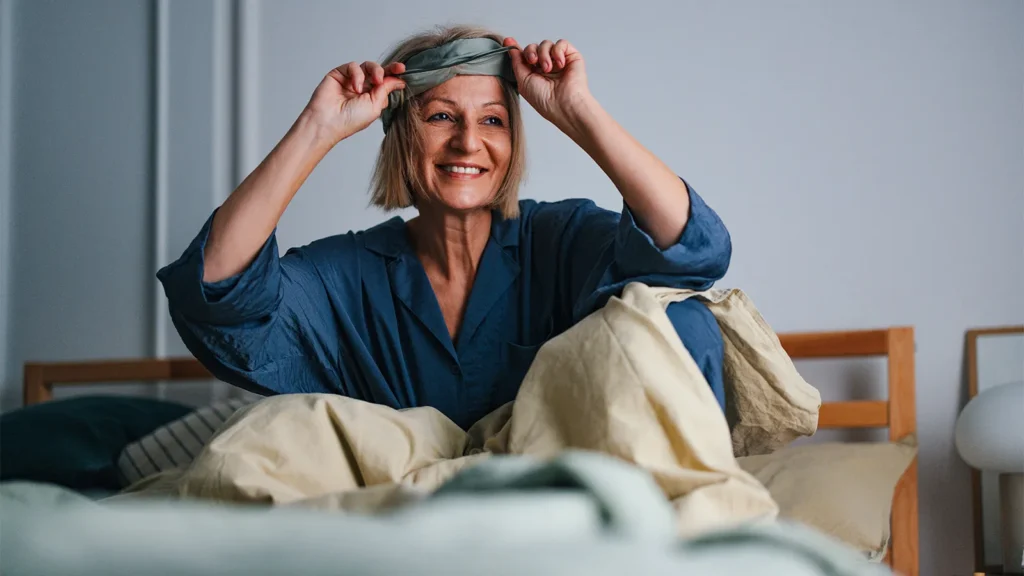
Night sweats, also known as nocturnal hyperhidrosis, can be a frustrating and uncomfortable experience for many people. They can disrupt your sleep, leaving you feeling exhausted and drained the next day. While night sweats can be caused by a variety of factors, such as hormonal imbalances, medications, or underlying medical conditions, there are natural remedies that can help alleviate this issue. In this article, we will explore five natural remedies for night sweats that really work.
1. Stay Cool
One of the most effective ways to combat night sweats is to keep your bedroom cool and well-ventilated. Use a fan or air conditioning to regulate the temperature in your room and create a comfortable sleeping environment. Opt for lightweight, breathable bedding and sleepwear to help wick away moisture and prevent overheating. Additionally, try to avoid consuming hot or spicy foods before bedtime, as they can raise your body temperature and trigger night sweats.
2. Stay Hydrated
Staying hydrated is crucial for regulating your body temperature and preventing night sweats. Make sure to drink plenty of water throughout the day, especially in the hours leading up to bedtime. Avoid consuming caffeinated or alcoholic beverages, as they can dehydrate your body and exacerbate night sweats. If you wake up feeling overheated and sweaty, try sipping on a glass of cold water to help cool down and rehydrate your body.
3. Practice Relaxation Techniques
Stress and anxiety can contribute to night sweats and disrupt your sleep patterns. To combat this, try incorporating relaxation techniques into your bedtime routine. Deep breathing exercises, meditation, or gentle yoga stretches can help calm your mind and body, reducing the likelihood of experiencing night sweats. Creating a peaceful and stress-free environment in your bedroom can also promote restful sleep and alleviate night sweats.
4. Herbal Remedies
Certain herbs and plant-based remedies have been known to help alleviate night sweats and improve sleep quality. Black cohosh, a herb commonly used in traditional medicine, has been shown to reduce hot flashes and night sweats in menopausal women. Other herbs such as sage, licorice root, and evening primrose oil may also have beneficial effects on hormonal imbalances and night sweats. Consult with a healthcare professional before using herbal remedies, as they may interact with medications or underlying medical conditions.
5. Maintain a Healthy Lifestyle
Maintaining a healthy lifestyle can help reduce the frequency and severity of night sweats. Regular exercise, a balanced diet, and adequate sleep are essential for overall health and well-being. Avoid smoking and excessive alcohol consumption, as they can worsen night sweats and disrupt your sleep. Incorporating stress-reducing activities, such as mindfulness practices or hobbies, can also help improve your sleep quality and reduce nighttime sweating.
FAQs
Q: What causes night sweats?
A: Night sweats can be caused by a variety of factors, including hormonal imbalances, medications, infections, and underlying medical conditions. Hormonal changes, such as those experienced during menopause or puberty, can trigger night sweats in women and men. Certain medications, such as antidepressants or steroids, can also cause night sweats as a side effect. Infections, such as tuberculosis or HIV, can lead to night sweats as the body fights off the illness. It is important to consult with a healthcare professional to determine the underlying cause of your night sweats and develop an appropriate treatment plan.
Q: When should I seek medical attention for night sweats?
A: While occasional night sweats are common and usually harmless, persistent or severe night sweats may be a sign of a more serious underlying condition. If you are experiencing night sweats on a regular basis, accompanied by other symptoms such as fever, weight loss, or fatigue, it is important to seek medical attention. Night sweats can be a symptom of various conditions, such as infections, hormonal imbalances, or cancer, that require prompt diagnosis and treatment. Your healthcare provider can conduct a thorough evaluation and recommend appropriate tests to determine the cause of your night sweats.
Q: Can diet and lifestyle changes help reduce night sweats?
A: Yes, making changes to your diet and lifestyle can help reduce the frequency and severity of night sweats. Avoiding hot or spicy foods, caffeine, and alcohol before bedtime can help regulate your body temperature and prevent night sweats. Staying hydrated, maintaining a healthy weight, and practicing stress-reducing activities can also improve your sleep quality and reduce night sweats. Incorporating relaxation techniques, such as deep breathing exercises or meditation, into your bedtime routine can help calm your mind and body, promoting restful sleep and reducing nighttime sweating.
In conclusion, night sweats can be a bothersome and disruptive issue for many people. By implementing these natural remedies and lifestyle changes, you can effectively manage and alleviate night sweats. Remember to consult with a healthcare professional if you are experiencing persistent or severe night sweats, as they may be a sign of an underlying medical condition that requires treatment. Prioritize your sleep and overall well-being by incorporating these natural remedies into your daily routine and creating a peaceful and comfortable sleeping environment.