
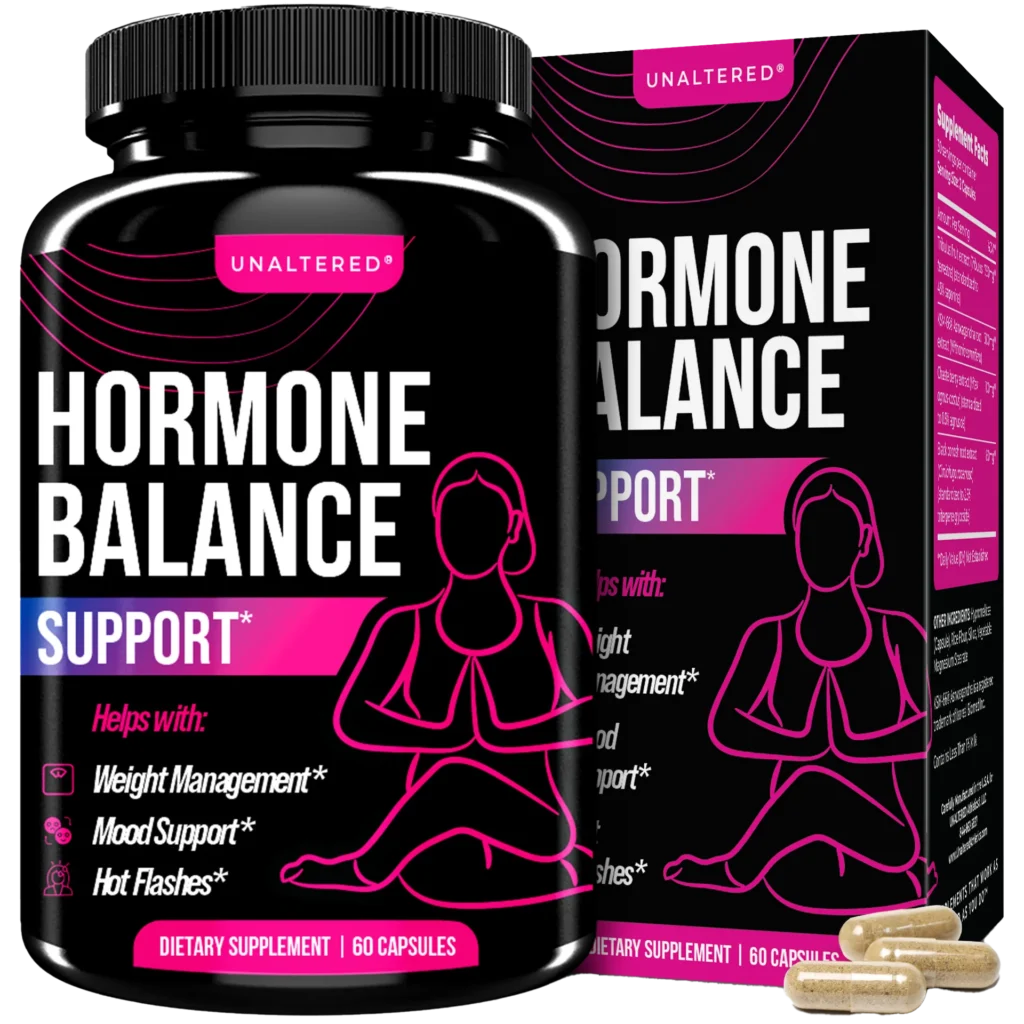
Navigating Menopause: How Mood Support Can Help Women Stay Balanced
Menopause is a natural transition that all women go through as they age. It marks the end of a woman’s reproductive years and is characterized by a variety of physical and emotional symptoms. One of the most common and challenging aspects of menopause is the impact it can have on a woman’s mood. Many women experience mood swings, irritability, anxiety, and depression during this time, which can significantly impact their quality of life.
Fortunately, there are ways to support women through this transition and help them stay balanced. One key way to do this is by providing mood support through various interventions, such as counseling, lifestyle changes, and natural remedies. In this article, we will explore the different ways in which mood support can help women navigate menopause and stay emotionally balanced.
Understanding Menopause and Mood Changes
Menopause typically occurs in women between the ages of 45 and 55, although it can happen earlier or later for some women. It is a natural biological process that marks the end of menstruation and fertility. During menopause, a woman’s body undergoes significant hormonal changes, particularly a decrease in estrogen and progesterone levels. These hormonal fluctuations can impact a woman’s mood and emotional well-being.
Some of the common mood-related symptoms of menopause include:
– Mood swings: Many women experience sudden changes in mood, going from happy to sad or irritable without any apparent reason.
– Irritability: Menopausal women may feel easily annoyed or frustrated by small things that didn’t bother them before.
– Anxiety: Some women may experience feelings of worry, nervousness, or fear during menopause.
– Depression: Menopause can trigger feelings of sadness, hopelessness, and despair in some women.
These mood changes can be challenging to deal with, especially when combined with other menopausal symptoms such as hot flashes, night sweats, and insomnia. It is essential for women to seek support and guidance to help them navigate this transition and maintain emotional balance.
The Role of Mood Support in Menopause
Mood support refers to the various interventions and strategies that can help women manage their emotional well-being during menopause. This can include counseling, therapy, lifestyle changes, and natural remedies. The goal of mood support is to help women cope with their changing emotions, reduce symptoms of anxiety and depression, and improve their overall quality of life.
Here are some ways in which mood support can benefit women during menopause:
1. Counseling and therapy: Talking to a therapist or counselor can be incredibly beneficial for women going through menopause. Therapy can provide a safe space for women to express their feelings, process their emotions, and learn coping strategies for managing mood swings and anxiety. Cognitive-behavioral therapy (CBT) is particularly effective in helping women change negative thought patterns and behaviors that contribute to their emotional distress.
2. Lifestyle changes: Making positive lifestyle changes can also help improve mood and emotional well-being during menopause. Regular exercise, healthy eating, stress management techniques (such as meditation or yoga), and adequate sleep can all contribute to a woman’s overall mental health. It is essential for women to prioritize self-care and make time for activities that bring them joy and relaxation.
3. Natural remedies: Some women may find relief from mood-related symptoms of menopause by using natural remedies such as herbal supplements, aromatherapy, and acupuncture. For example, certain herbs like black cohosh, St. John’s wort, and evening primrose oil have been shown to help alleviate mood swings and anxiety. It is essential for women to consult with a healthcare provider before trying any natural remedies to ensure they are safe and effective.
FAQs about Menopause and Mood Support
Q: Are mood swings during menopause normal?
A: Yes, mood swings are a common symptom of menopause due to hormonal changes. It is essential for women to seek support and guidance to help them manage their emotions during this time.
Q: How can counseling help women during menopause?
A: Counseling can provide women with a safe space to express their feelings, process their emotions, and learn coping strategies for managing mood swings and anxiety. It can also help women change negative thought patterns and behaviors that contribute to their emotional distress.
Q: What lifestyle changes can help improve mood during menopause?
A: Regular exercise, healthy eating, stress management techniques, and adequate sleep can all contribute to improved mood and emotional well-being during menopause. It is essential for women to prioritize self-care and make time for activities that bring them joy and relaxation.
Q: Are natural remedies safe and effective for managing mood during menopause?
A: Some women may find relief from mood-related symptoms of menopause by using natural remedies such as herbal supplements, aromatherapy, and acupuncture. It is essential for women to consult with a healthcare provider before trying any natural remedies to ensure they are safe and effective.
In conclusion, menopause is a natural transition that all women go through, and it can have a significant impact on a woman’s mood and emotional well-being. Mood support interventions such as counseling, lifestyle changes, and natural remedies can help women navigate this transition and stay emotionally balanced. It is essential for women to seek support and guidance during this time to ensure they maintain their mental health and overall well-being. By taking care of themselves and seeking appropriate help, women can successfully navigate menopause and emerge stronger and more resilient on the other side.