
Avoiding Keto Flu: Tips for Managing Electrolyte Imbalance
The ketogenic diet has gained popularity in recent years as a way to lose weight and improve overall health. By drastically reducing carbohydrate intake and increasing fat consumption, the body enters a state of ketosis, where it burns fat for fuel instead of glucose. While many people experience positive results from following a ketogenic diet, some may encounter what is known as the “keto flu.”
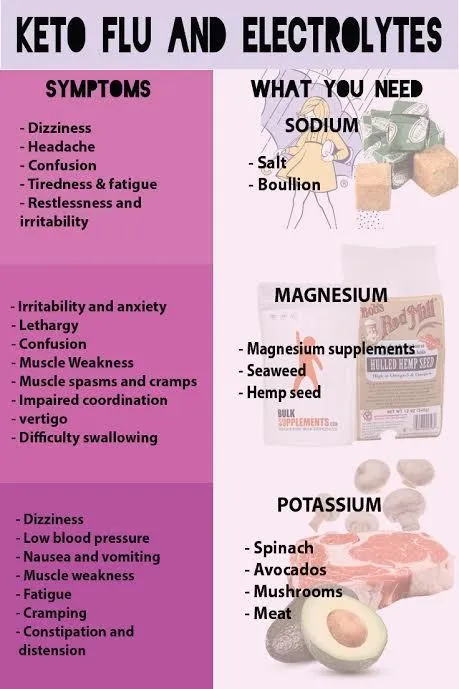
The keto flu is a collection of symptoms that can occur when transitioning to a ketogenic diet, including fatigue, headache, muscle cramps, and nausea. These symptoms are often attributed to an imbalance of electrolytes in the body, which can occur when carbohydrates are restricted and water and electrolytes are excreted at a higher rate.
Managing electrolyte imbalance is crucial for avoiding the keto flu and ensuring a smooth transition to a ketogenic diet. In this article, we will discuss tips for managing electrolyte imbalance on a ketogenic diet and provide answers to frequently asked questions about the keto flu.
1. Stay Hydrated
One of the most important factors in managing electrolyte imbalance on a ketogenic diet is staying hydrated. When carbohydrates are restricted, the body retains less water and electrolytes, which can lead to dehydration. Make sure to drink plenty of water throughout the day to stay hydrated and support proper electrolyte balance.
2. Increase Sodium Intake
Sodium is a crucial electrolyte that is often excreted at a higher rate on a ketogenic diet. To prevent sodium deficiency and the symptoms of the keto flu, it is important to increase your sodium intake. Add salt to your meals, drink bone broth, or consume foods that are naturally high in sodium, such as olives and pickles.
3. Consume Magnesium-Rich Foods
Magnesium is another important electrolyte that can become depleted on a ketogenic diet. To prevent magnesium deficiency and the symptoms of the keto flu, make sure to consume magnesium-rich foods such as leafy green vegetables, nuts and seeds, and dark chocolate. You may also consider taking a magnesium supplement to ensure you are getting an adequate amount.
4. Eat Potassium-Rich Foods
Potassium is a key electrolyte that is essential for proper muscle function and overall health. To prevent potassium deficiency and the symptoms of the keto flu, incorporate potassium-rich foods into your diet, such as avocados, spinach, and salmon. You may also consider taking a potassium supplement if needed.
5. Monitor Your Electrolyte Levels
If you are experiencing symptoms of the keto flu or suspect you may have an electrolyte imbalance, consider getting your electrolyte levels tested. Your healthcare provider can perform a blood test to check your sodium, potassium, and magnesium levels and recommend appropriate interventions if needed.
6. Consider Electrolyte Supplements
If you are having difficulty getting enough electrolytes from food sources alone, consider taking an electrolyte supplement. There are many electrolyte supplements available on the market that can help support proper electrolyte balance and prevent the symptoms of the keto flu.
7. Listen to Your Body
Above all, listen to your body and pay attention to how you are feeling. If you are experiencing symptoms of the keto flu, such as fatigue, headache, or muscle cramps, it may be a sign that you need to adjust your electrolyte intake. Make sure to prioritize your health and well-being while following a ketogenic diet.
FAQs:
Q: What are the symptoms of the keto flu?
A: The symptoms of the keto flu can vary from person to person but may include fatigue, headache, muscle cramps, nausea, and dizziness. These symptoms are often attributed to an imbalance of electrolytes in the body.
Q: How long does the keto flu last?
A: The keto flu typically lasts for a few days to a week as the body adjusts to a ketogenic diet. However, the duration of the keto flu can vary depending on individual factors such as hydration, electrolyte balance, and overall health.
Q: Can the keto flu be prevented?
A: While some individuals may experience the keto flu when transitioning to a ketogenic diet, there are steps that can be taken to prevent or minimize its symptoms. By staying hydrated, increasing sodium intake, consuming magnesium-rich foods, eating potassium-rich foods, monitoring electrolyte levels, and considering electrolyte supplements, you can support proper electrolyte balance and avoid the keto flu.
Q: Is it safe to follow a ketogenic diet?
A: The ketogenic diet can be safe and effective for many individuals, especially when done under the guidance of a healthcare provider. However, it is important to prioritize your health and well-being while following a ketogenic diet and to listen to your body’s signals if you are experiencing negative symptoms.
In conclusion, managing electrolyte imbalance is crucial for avoiding the keto flu and ensuring a smooth transition to a ketogenic diet. By staying hydrated, increasing sodium intake, consuming magnesium-rich and potassium-rich foods, monitoring electrolyte levels, and considering electrolyte supplements, you can support proper electrolyte balance and prevent the symptoms of the keto flu. Listen to your body, prioritize your health, and consult with a healthcare provider if needed to ensure a successful experience on a ketogenic diet.