
Menopause is a natural biological process that marks the end of a woman’s reproductive years. It typically occurs in women in their late 40s to early 50s, although the age of onset can vary. Menopause is characterized by a decrease in the production of estrogen and progesterone, the hormones responsible for regulating the menstrual cycle. This hormonal shift can lead to a variety of symptoms, including hot flashes, mood swings, and sleep disturbances.
While hormone replacement therapy (HRT) is a common treatment for menopausal symptoms, many women are seeking alternative, non-hormonal remedies to manage their symptoms. Holistic approaches to menopause focus on treating the whole person – mind, body, and spirit – to promote overall health and well-being. In this article, we will explore some non-hormonal remedies for hot flashes and mood swings during menopause, and delve into the holistic approach to managing menopausal symptoms.
Non-Hormonal Remedies for Hot Flashes
Hot flashes are one of the most common symptoms of menopause, affecting approximately 75% of women. A hot flash is a sudden feeling of warmth that spreads throughout the body, often accompanied by sweating, flushing, and a rapid heartbeat. While the exact cause of hot flashes is not fully understood, they are thought to be related to changes in hormone levels that disrupt the body’s internal thermostat.
Fortunately, there are several non-hormonal remedies that can help alleviate hot flashes and improve quality of life during menopause. Some of these remedies include:
1. Mind-Body Techniques: Stress and anxiety can trigger hot flashes in some women. Mind-body techniques such as deep breathing, meditation, and yoga can help reduce stress and promote relaxation, which may help decrease the frequency and intensity of hot flashes.
2. Herbal Remedies: Certain herbs and supplements have been shown to help manage hot flashes. Black cohosh, dong quai, and red clover are some of the most commonly used herbs for menopausal symptoms. However, it is important to consult with a healthcare provider before taking any herbal supplements, as they may interact with other medications or have side effects.
3. Acupuncture: Acupuncture, a traditional Chinese medicine practice that involves inserting thin needles into specific points on the body, has been shown to reduce the frequency and severity of hot flashes in some women. Acupuncture may help balance the body’s energy flow and promote overall well-being.
4. Lifestyle Changes: Making healthy lifestyle choices can also help manage hot flashes. Eating a balanced diet, staying hydrated, exercising regularly, and avoiding triggers such as caffeine, alcohol, and spicy foods can help reduce the frequency and intensity of hot flashes.
Non-Hormonal Remedies for Mood Swings
Mood swings are another common symptom of menopause, affecting up to 60% of women. Hormonal fluctuations during menopause can disrupt neurotransmitters in the brain, leading to changes in mood and emotional stability. Women may experience irritability, anxiety, depression, and mood swings during this time.
There are several non-hormonal remedies that can help manage mood swings and improve emotional well-being during menopause. Some of these remedies include:
1. Counseling: Talking to a therapist or counselor can help women cope with the emotional challenges of menopause. Counseling can provide a safe space to explore feelings, develop coping strategies, and gain support from a trained professional.
2. Exercise: Regular physical activity has been shown to improve mood and reduce symptoms of depression and anxiety. Exercise releases endorphins, the body’s natural feel-good chemicals, which can help boost mood and promote overall well-being.
3. Healthy Eating: Eating a nutritious diet rich in fruits, vegetables, whole grains, and lean proteins can help support emotional well-being during menopause. Certain nutrients, such as omega-3 fatty acids and B vitamins, have been linked to improved mood and mental health.
4. Relaxation Techniques: Practicing relaxation techniques such as mindfulness, progressive muscle relaxation, and guided imagery can help reduce stress, promote relaxation, and improve emotional well-being during menopause.
Holistic Approaches to Menopause
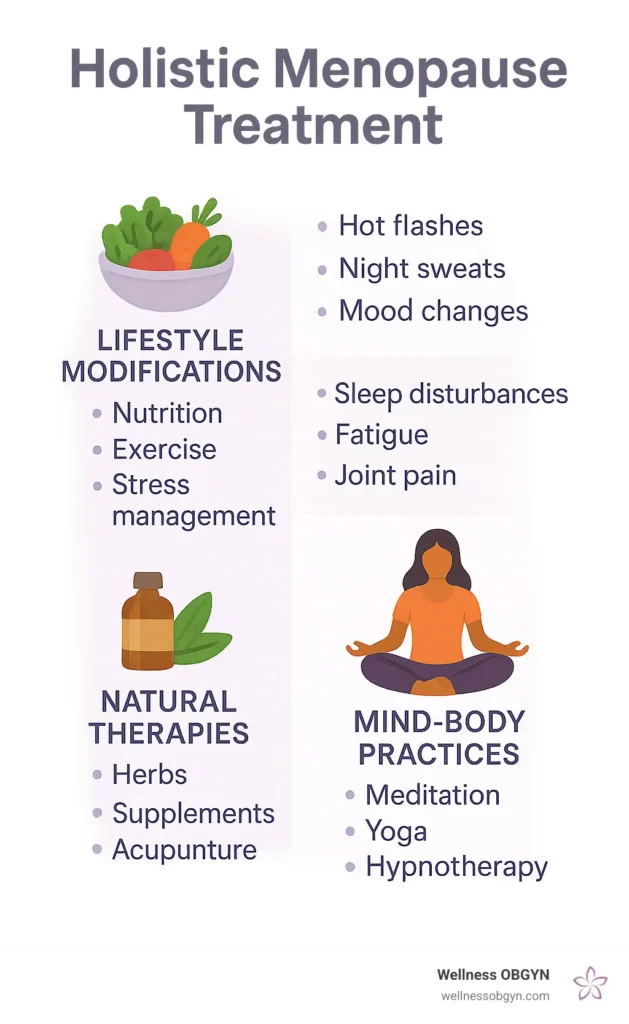
Holistic approaches to menopause focus on treating the underlying causes of menopausal symptoms, rather than simply masking the symptoms with medication. Holistic medicine views the body as a complex system of interconnected parts, and aims to promote balance and harmony within the body to support overall health and well-being.
Some holistic approaches to managing menopause include:
1. Nutrition: Eating a balanced diet rich in whole foods, fruits, vegetables, and lean proteins can help support hormonal balance and reduce menopausal symptoms. Certain foods, such as soy, flaxseeds, and leafy greens, have been shown to help manage hot flashes and mood swings.
2. Herbal Medicine: Herbal medicine has been used for centuries to treat menopausal symptoms. Certain herbs, such as black cohosh, dong quai, and red clover, have been shown to help alleviate hot flashes, mood swings, and other menopausal symptoms. However, it is important to consult with a qualified herbalist or healthcare provider before taking any herbal supplements.
3. Mind-Body Therapies: Mind-body therapies such as acupuncture, yoga, meditation, and tai chi can help reduce stress, promote relaxation, and improve overall well-being during menopause. These practices can help balance the body’s energy flow, improve circulation, and support emotional health.
4. Lifestyle Changes: Making healthy lifestyle choices can also support overall well-being during menopause. Getting regular exercise, practicing good sleep hygiene, staying hydrated, and managing stress can help reduce menopausal symptoms and improve quality of life.
FAQs
Q: Are there any natural remedies for hot flashes and mood swings during menopause?
A: Yes, there are several natural remedies that can help alleviate hot flashes and mood swings during menopause. Some of these remedies include herbal supplements, acupuncture, mind-body techniques, and lifestyle changes. It is important to consult with a healthcare provider before starting any new treatment regimen.
Q: What are some common triggers for hot flashes during menopause?
A: Hot flashes can be triggered by a variety of factors, including stress, anxiety, caffeine, alcohol, spicy foods, and hot weather. Identifying and avoiding triggers can help reduce the frequency and intensity of hot flashes.
Q: How can I improve my emotional well-being during menopause?
A: Improving emotional well-being during menopause can be achieved through counseling, exercise, healthy eating, relaxation techniques, and social support. Talking to a therapist, staying active, eating a balanced diet, practicing mindfulness, and connecting with others can help support emotional health during this time.
In conclusion, menopause is a natural transition in a woman’s life that can bring about a variety of physical and emotional symptoms. While hormone replacement therapy is a common treatment for menopausal symptoms, many women are seeking alternative, non-hormonal remedies to manage their symptoms. Holistic approaches to menopause focus on treating the whole person – mind, body, and spirit – to promote overall health and well-being. By incorporating non-hormonal remedies, such as herbal supplements, acupuncture, mind-body techniques, and lifestyle changes, women can find relief from hot flashes and mood swings and support their overall well-being during this transitional time.