
Breaking Down the Science Behind Vegan Keto
In recent years, the ketogenic diet has gained popularity for its potential health benefits, including weight loss, improved blood sugar control, and increased energy levels. However, traditional ketogenic diets often rely heavily on animal products such as meat, eggs, and dairy, making it challenging for vegans to follow. Enter the vegan keto diet, a plant-based version of the ketogenic diet that excludes all animal products while still promoting the same principles of high fat, moderate protein, and low carb intake.
In this article, we will break down the science behind the vegan keto diet, exploring how it works, its potential benefits and risks, and how to successfully follow a vegan keto lifestyle. We will also address common questions and concerns surrounding vegan keto, providing a comprehensive guide for anyone interested in adopting this unique dietary approach.
What is the Vegan keto diet?
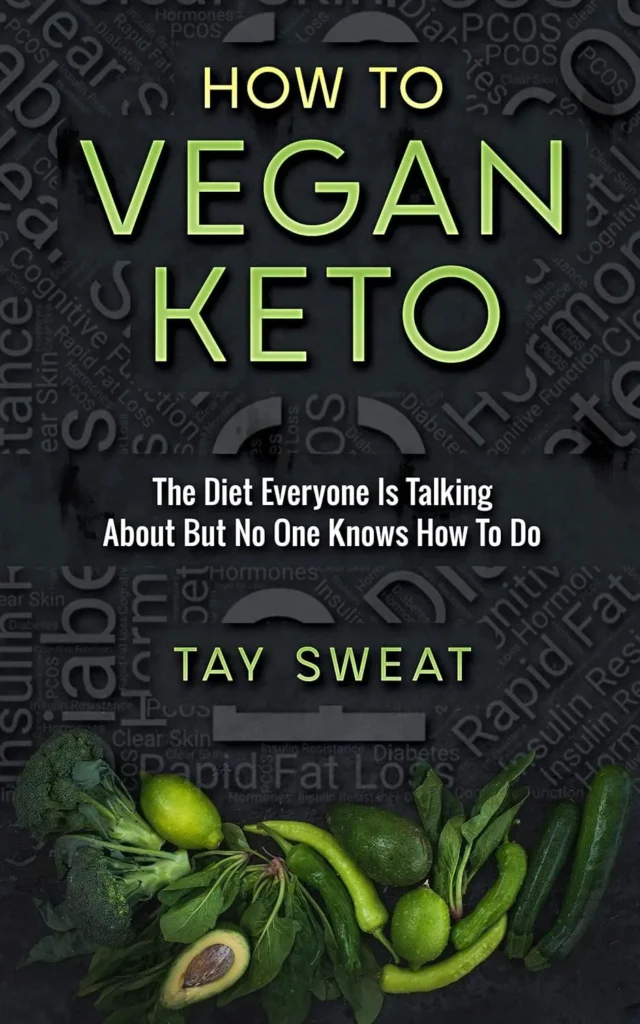
The vegan keto diet is a high-fat, moderate-protein, low-carb diet that eliminates all animal products and focuses on plant-based sources of fat and protein. The goal of the diet is to shift the body into a state of ketosis, where it burns fat for fuel instead of carbohydrates. This is achieved by drastically reducing carbohydrate intake and increasing fat consumption, forcing the body to rely on ketones (fat-derived molecules) for energy.
In a typical vegan keto diet, around 70-75% of calories come from fat, 20-25% from protein, and 5-10% from carbohydrates. This macronutrient breakdown is similar to traditional ketogenic diets but requires careful planning and attention to ensure adequate nutrient intake on a vegan diet.
How Does the Vegan keto diet Work?
The vegan keto diet works by limiting the body’s access to carbohydrates, which are the primary source of energy for most people. By reducing carb intake to less than 50 grams per day (sometimes as low as 20-30 grams), the body depletes its glycogen stores and switches to using fat for fuel instead. This process, known as ketosis, produces ketones that are used by the body and brain as an alternative energy source.
In ketosis, the liver breaks down stored fat into fatty acids and ketones, which are released into the bloodstream and transported to cells for energy production. This shift from glucose to fat metabolism can lead to rapid weight loss, improved insulin sensitivity, and increased mental clarity and focus.
Potential Benefits of Vegan Keto
The vegan keto diet offers several potential benefits for overall health and well-being, including:
1. weight loss: By reducing carb intake and increasing fat consumption, the vegan keto diet can promote weight loss by shifting the body into ketosis and burning stored fat for energy. This can lead to rapid and sustainable weight loss, especially in individuals with insulin resistance or metabolic disorders.
2. Improved Blood Sugar Control: The low-carb, high-fat nature of the vegan keto diet can help stabilize blood sugar levels and improve insulin sensitivity, making it a potential therapeutic option for individuals with type 2 diabetes or prediabetes.
3. Increased Energy Levels: Many people report increased energy, mental clarity, and focus on the vegan keto diet, as ketones are a more efficient and stable source of energy than glucose.
4. Reduced Inflammation: Some studies suggest that ketogenic diets may have anti-inflammatory effects and can help reduce markers of inflammation in the body, which are linked to chronic diseases such as heart disease, cancer, and autoimmune conditions.
5. Improved Digestive Health: A plant-based diet rich in fiber and antioxidants can support digestive health and promote a healthy gut microbiome, which is essential for overall health and immunity.
Risks and Considerations of Vegan Keto
While the vegan keto diet can offer several potential benefits, it is not without risks and considerations. Some of the potential drawbacks of the vegan keto diet include:
1. Nutrient Deficiencies: A vegan diet can be low in certain nutrients such as vitamin B12, iron, zinc, and omega-3 fatty acids, which are typically found in animal products. It is essential for vegans on a keto diet to ensure adequate intake of these nutrients through supplementation or careful food choices.
2. Digestive Issues: Some people may experience digestive issues such as constipation, bloating, or diarrhea when transitioning to a vegan keto diet, as the sudden increase in fat consumption can be hard on the digestive system. It is important to gradually increase fat intake and stay hydrated to prevent digestive discomfort.
3. Social Challenges: Following a vegan keto diet can be challenging in social settings or when dining out, as many restaurants and social gatherings may not offer suitable options. It is essential to plan ahead and communicate your dietary needs to ensure you can stick to your vegan keto lifestyle.
4. Potential Long-Term Effects: The long-term effects of a vegan keto diet are not well studied, and it is unclear how sustainable or beneficial this dietary approach may be over time. It is essential to listen to your body and consult with a healthcare provider or nutritionist to ensure you are meeting your nutritional needs on a vegan keto diet.
How to Follow a Vegan keto diet
Following a vegan keto diet requires careful planning and attention to ensure you are meeting your nutrient needs while maintaining ketosis. Here are some tips for successfully following a vegan keto diet:
1. Focus on Whole Foods: Choose nutrient-dense, whole foods such as vegetables, nuts, seeds, and plant-based fats like coconut oil, avocado, and olive oil. Avoid processed foods and artificial ingredients, which can hinder ketosis and impact your overall health.
2. Monitor Your Macros: Track your macronutrient intake to ensure you are meeting the recommended ratios of fat, protein, and carbohydrates. Use a food diary or app to calculate your daily intake and make adjustments as needed to stay in ketosis.
3. Include Protein-Rich Foods: Incorporate plant-based sources of protein such as tofu, tempeh, seitan, legumes, and nuts into your meals to support muscle growth and repair. Aim for a moderate protein intake to prevent muscle loss and promote satiety.
4. Stay Hydrated: Drink plenty of water throughout the day to stay hydrated and support digestion and detoxification. Add electrolytes or mineral-rich foods like leafy greens, avocados, and sea vegetables to prevent dehydration and electrolyte imbalances.
5. Experiment with Recipes: Get creative in the kitchen and try new recipes that fit your vegan keto lifestyle. Explore plant-based alternatives to traditional keto foods, such as cauliflower rice, zucchini noodles, and coconut flour bread, to keep your meals interesting and satisfying.
6. Listen to Your Body: Pay attention to how your body responds to the vegan keto diet and make adjustments as needed. If you experience fatigue, cravings, or other symptoms, consider increasing your carb intake slightly or consulting with a healthcare provider for guidance.
FAQs About Vegan Keto
Q: Can I get enough protein on a vegan keto diet?
A: Yes, it is possible to get enough protein on a vegan keto diet by including plant-based sources such as tofu, tempeh, seitan, legumes, and nuts. Aim for a moderate protein intake to support muscle growth and repair while staying in ketosis.
Q: Do I need to take supplements on a vegan keto diet?
A: It is recommended to supplement with vitamin B12, iron, zinc, and omega-3 fatty acids on a vegan keto diet, as these nutrients are typically found in animal products. Consult with a healthcare provider or nutritionist to determine the right supplements for your individual needs.
Q: Can I eat fruit on a vegan keto diet?
A: While fruit is generally higher in carbohydrates, some low-carb options like berries and avocado can be included in moderation on a vegan keto diet. Be mindful of your carb intake and choose fruits that fit within your daily macros to stay in ketosis.
Q: Is it safe to follow a vegan keto diet long-term?
A: The long-term safety and efficacy of a vegan keto diet are not well studied, and it is important to listen to your body and consult with a healthcare provider or nutritionist to ensure you are meeting your nutrient needs. Some people may find a vegan keto diet sustainable and beneficial, while others may need to make adjustments or try different dietary approaches.
In conclusion, the vegan keto diet is a unique and potentially beneficial dietary approach that combines the principles of a ketogenic diet with plant-based eating. By focusing on whole foods, monitoring your macros, and staying hydrated, you can successfully follow a vegan keto lifestyle and reap the potential benefits for weight loss, blood sugar control, and energy levels. However, it is essential to be mindful of the potential risks and considerations of a vegan keto diet, including nutrient deficiencies, digestive issues, and social challenges. By listening to your body, seeking guidance from healthcare providers, and experimenting with recipes, you can navigate the vegan keto diet with confidence and find a sustainable way of eating that works for you.