
Going Meatless on Keto: Vegetarian-Friendly Foods to Include in Your Diet
The ketogenic diet has gained immense popularity in recent years due to its ability to promote weight loss, improve metabolic health, and enhance mental clarity. This high-fat, low-carb diet has been shown to be effective for a variety of health conditions, including diabetes, epilepsy, and even cancer. However, many people assume that following a ketogenic diet means consuming large amounts of meat and animal products. In reality, it is possible to go meatless on keto and still reap all of the benefits of this lifestyle.
For vegetarians looking to adopt a ketogenic diet, there are plenty of plant-based options that can provide the necessary fat and protein while keeping carbohydrate intake low. In this article, we will explore some vegetarian-friendly foods to include in your keto diet, as well as some frequently asked questions about going meatless on keto.
Vegetarian-Friendly Foods for a ketogenic diet
1. Avocados
Avocados are a staple of the ketogenic diet, as they are high in healthy fats and low in carbohydrates. They are also packed with fiber, vitamins, and minerals, making them a nutritious addition to any meal. Avocados can be eaten on their own, added to salads, or used to make guacamole.
2. Nuts and Seeds
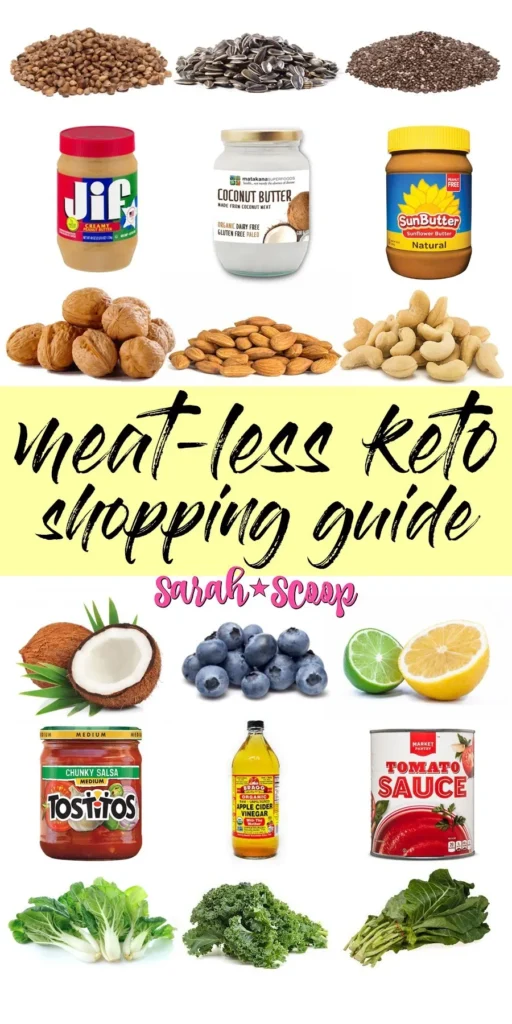
Nuts and seeds are another great source of healthy fats and protein on a vegetarian keto diet. Some of the best options include almonds, walnuts, chia seeds, and flaxseeds. These can be eaten as a snack, sprinkled on salads, or used in baking.
3. Coconut and Coconut Oil
Coconut and coconut oil are rich in medium-chain triglycerides (MCTs), which are a type of fat that is easily converted into ketones by the liver. Coconut oil can be used for cooking, while shredded coconut can be added to dishes for flavor and texture.
4. Leafy Greens
Leafy greens such as spinach, kale, and arugula are low in carbs and high in fiber, making them an excellent choice for a keto diet. They are also packed with vitamins, minerals, and antioxidants. Leafy greens can be eaten raw in salads or cooked in stir-fries and soups.
5. Low-Carb Vegetables
Many non-starchy vegetables are low in carbohydrates and can be included in a vegetarian keto diet. Some examples include broccoli, cauliflower, zucchini, and bell peppers. These vegetables can be roasted, sautéed, or steamed to add variety to your meals.
6. Tofu and Tempeh
Tofu and tempeh are plant-based sources of protein that can be included in a vegetarian keto diet. Tofu is made from soybeans and is versatile in cooking, while tempeh is fermented soybeans that have a nutty flavor. Both can be used in stir-fries, salads, and soups.
7. Eggs
Eggs are an excellent source of protein and healthy fats, making them a perfect food for a vegetarian keto diet. They can be cooked in a variety of ways, including scrambled, boiled, or fried. Eggs can also be used to make omelets, frittatas, and quiches.
8. Berries
While most fruits are high in carbohydrates, berries such as raspberries, blackberries, and strawberries are lower in carbs and can be included in moderation on a keto diet. Berries are also packed with antioxidants and fiber, making them a nutritious snack or dessert option.
Frequently Asked Questions about Going Meatless on Keto
1. Can I get enough protein on a vegetarian keto diet?
While animal products are a rich source of protein, there are plenty of plant-based options available to vegetarians on a keto diet. Foods such as tofu, tempeh, nuts, and seeds can provide the necessary protein to support muscle growth and repair.
2. How can I ensure I am getting enough fat on a vegetarian keto diet?
Healthy sources of fat for vegetarians on a keto diet include avocados, coconut oil, olive oil, and nuts. These fats can be used in cooking, added to salads, or incorporated into smoothies to increase fat intake.
3. Will I miss out on important nutrients by not eating meat on a keto diet?
It is important to ensure you are consuming a variety of nutrient-dense foods on a vegetarian keto diet to avoid deficiencies. Leafy greens, low-carb vegetables, nuts, and seeds are all excellent sources of vitamins, minerals, and antioxidants that can support overall health.
4. Can I still enjoy desserts on a vegetarian keto diet?
There are plenty of keto-friendly dessert options available for vegetarians, including chia seed pudding, avocado chocolate mousse, and coconut flour muffins. These desserts are low in carbohydrates and sugar, making them suitable for a keto diet.
5. How can I make sure I am staying in ketosis on a vegetarian keto diet?
To stay in ketosis on a vegetarian keto diet, it is important to keep carbohydrate intake low and focus on consuming healthy fats and moderate amounts of protein. Monitoring your ketone levels with a blood ketone meter can help ensure you are in ketosis.
In conclusion, it is possible to go meatless on a ketogenic diet and still achieve your health and weight loss goals. By including a variety of vegetarian-friendly foods such as avocados, nuts, seeds, tofu, and leafy greens, you can maintain a healthy and balanced diet while following a keto lifestyle. With careful planning and attention to nutrient intake, vegetarians can successfully navigate the challenges of a meatless keto diet and enjoy all of its benefits.