
Navigating the Keto vs Low-Carb Debate: Pros and Cons of Each Diet
Introduction
With the rise in popularity of low-carb diets, there has been much debate over which approach is best for weight loss and overall health. Two of the most popular low-carb diets are the ketogenic diet (keto) and a more general low-carb diet. Both diets restrict carbohydrate intake to varying degrees but have different goals and approaches. In this article, we will explore the pros and cons of each diet to help you make an informed decision on which approach may be best for you.
What is the ketogenic diet?
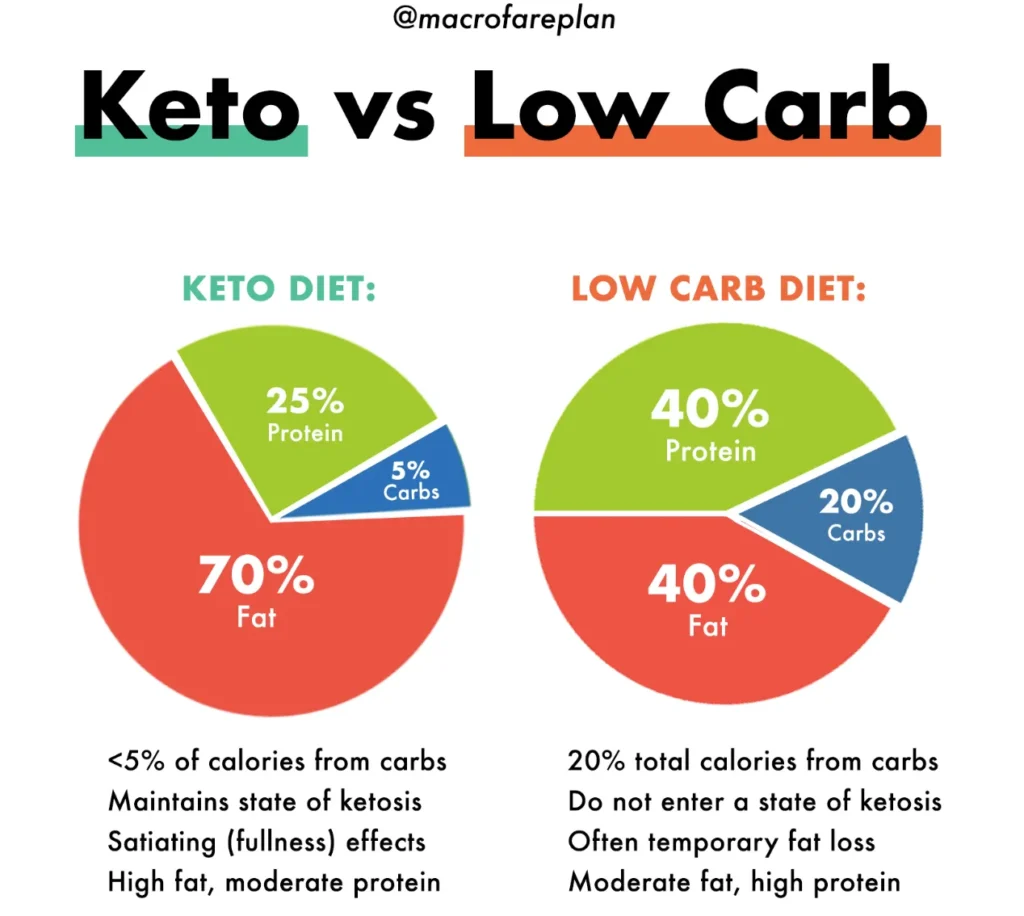
The ketogenic diet, commonly known as keto, is a high-fat, moderate-protein, and very low-carb diet. The goal of the keto diet is to put your body into a state of ketosis, where it burns fat for fuel instead of carbohydrates. Ketosis is achieved by drastically reducing carbohydrate intake to around 20-50 grams per day and increasing fat intake to around 70-80% of calories.
What is a Low-Carb Diet?
A low-carb diet, on the other hand, is a more general term that encompasses a range of dietary approaches with varying levels of carbohydrate restriction. While the keto diet is a very low-carb diet, a low-carb diet can range from moderate carbohydrate restriction to very low carbohydrate intake. The main goal of a low-carb diet is to reduce overall carbohydrate intake and stabilize blood sugar levels.
Pros and Cons of the ketogenic diet
Pros:
1. Rapid weight loss: The keto diet is often praised for its ability to promote rapid weight loss due to its high-fat, low-carb nature.
2. Improved blood sugar control: By reducing carbohydrate intake, the keto diet can help stabilize blood sugar levels and reduce insulin resistance.
3. Increased energy levels: Many people on the keto diet report increased energy levels and mental clarity due to the switch to burning fat for fuel.
4. Appetite suppression: The high-fat content of the keto diet can help keep you feeling full and satisfied, reducing cravings and overeating.
Cons:
1. Restrictive nature: The keto diet can be highly restrictive and challenging to follow long-term, as it requires strict adherence to very low carbohydrate intake.
2. Nutrient deficiencies: Due to the limited food choices on the keto diet, there is a risk of nutrient deficiencies, particularly in fiber, vitamins, and minerals.
3. Keto flu: Some people may experience flu-like symptoms when first transitioning to the keto diet, known as the “keto flu,” which can include fatigue, headaches, and irritability.
4. Potential long-term health risks: While the keto diet can be effective for short-term weight loss, there are concerns about the potential long-term health risks of a high-fat, low-carb diet, such as increased risk of heart disease.
Pros and Cons of a Low-Carb Diet
Pros:
1. Flexible approach: A low-carb diet can be more flexible and sustainable than the strict restrictions of the keto diet, making it easier to follow long-term.
2. Improved blood sugar control: Like the keto diet, a low-carb diet can help stabilize blood sugar levels and reduce insulin resistance.
3. weight loss: By reducing carbohydrate intake, a low-carb diet can also promote weight loss and fat loss, albeit at a slower pace than the keto diet.
4. Reduced risk of chronic diseases: Lowering carbohydrate intake can help reduce the risk of chronic diseases such as diabetes, heart disease, and metabolic syndrome.
Cons:
1. Less rapid weight loss: While a low-carb diet can promote weight loss, it may not be as rapid as the keto diet due to the higher carbohydrate intake.
2. Potential nutrient deficiencies: Depending on the level of carbohydrate restriction, a low-carb diet may also carry the risk of nutrient deficiencies if not balanced properly.
3. Initial adjustment period: Some people may experience initial discomfort when reducing carbohydrate intake, such as cravings, fatigue, and mood swings.
4. Social challenges: Following a low-carb diet may be challenging in social situations or when dining out, as many foods are high in carbohydrates.
FAQs
Q: Which diet is better for weight loss, keto, or low-carb?
A: Both the keto and low-carb diets can be effective for weight loss, but the keto diet is often praised for its rapid results. However, the best diet for weight loss will depend on individual preferences and goals.
Q: Is the keto diet safe for everyone?
A: The keto diet may not be suitable for everyone, particularly those with certain medical conditions such as diabetes, kidney disease, or a history of disordered eating. It is always recommended to consult with a healthcare provider before starting any new diet.
Q: Can I transition from a low-carb diet to a keto diet?
A: It is possible to transition from a low-carb diet to a keto diet by further reducing carbohydrate intake and increasing fat intake. However, it is important to do so gradually and monitor how your body responds to the changes.
Q: Are there any long-term health risks associated with the keto diet?
A: While the keto diet can be effective for short-term weight loss, there are concerns about the potential long-term health risks of a high-fat, low-carb diet, such as increased risk of heart disease. It is important to follow the keto diet under the guidance of a healthcare provider to ensure proper nutrition and monitoring.
Conclusion
In conclusion, both the ketogenic diet and a more general low-carb diet can be effective for weight loss and improving overall health. The keto diet is praised for its rapid weight loss results and ability to stabilize blood sugar levels, while a low-carb diet offers a more flexible and sustainable approach. Ultimately, the best diet for you will depend on your individual preferences, goals, and health status. It is important to consult with a healthcare provider before starting any new diet to ensure it is safe and appropriate for your needs.