
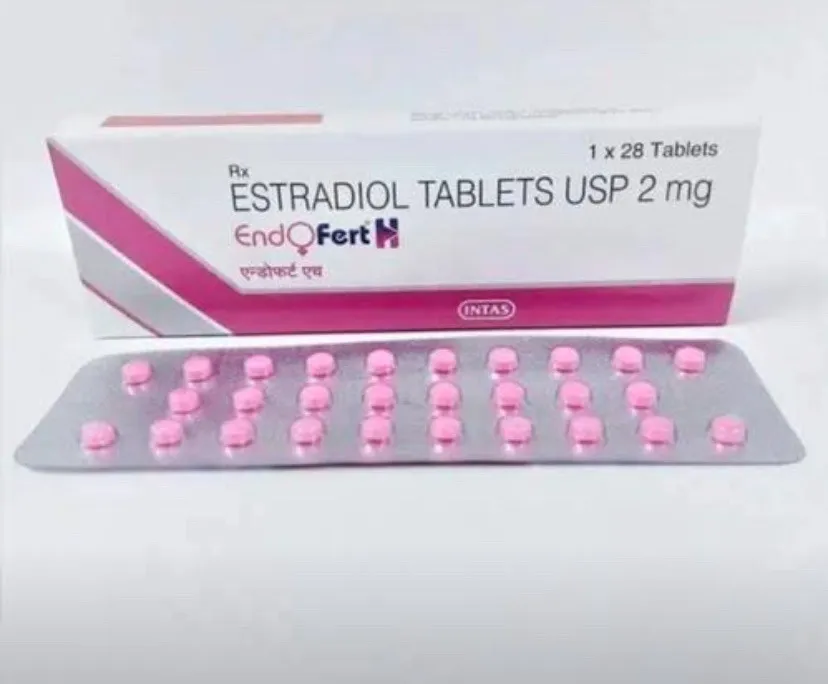
Menopause is a natural phase in a woman’s life that marks the end of her reproductive years. It typically occurs in her late 40s or early 50s and is characterized by a decrease in estrogen production by the ovaries. This hormonal shift can lead to a variety of symptoms, including hot flashes, night sweats, mood swings, vaginal dryness, and decreased libido. For many years, hormone replacement therapy (HRT) was the go-to treatment for managing these symptoms. However, recent research has raised concerns about the safety of HRT, particularly in relation to an increased risk of breast cancer, heart disease, and stroke. As a result, many women are now seeking alternative treatments to help them navigate the challenges of menopause without the use of hormones. In this article, we will explore some of the top alternatives to HRT for managing menopause symptoms.
1. Lifestyle changes
One of the most effective ways to manage menopause symptoms is through lifestyle modifications. Eating a healthy diet rich in fruits, vegetables, whole grains, and lean proteins can help to alleviate symptoms such as hot flashes and mood swings. Regular exercise is also beneficial, as it can help to regulate hormone levels, improve mood, and reduce stress. Additionally, getting an adequate amount of sleep and managing stress through techniques such as meditation or yoga can help to alleviate symptoms of menopause.
2. Herbal remedies
Many women turn to herbal remedies to help manage menopause symptoms. Some of the most popular herbs for menopause include black cohosh, dong quai, red clover, and evening primrose oil. These herbs are thought to help regulate hormone levels and alleviate symptoms such as hot flashes and night sweats. It is important to consult with a healthcare provider before using herbal remedies, as they can interact with other medications and may not be safe for everyone.
3. Acupuncture
Acupuncture is an ancient Chinese practice that involves inserting thin needles into specific points on the body to promote healing and balance energy flow. Many women find acupuncture to be helpful in managing menopause symptoms, particularly hot flashes and mood swings. Acupuncture is believed to help regulate hormone levels and reduce stress, which can help to alleviate symptoms of menopause.
4. Bio-identical hormones
Bio-identical hormones are hormones that are chemically identical to the hormones produced by the body. They are often derived from plant sources such as soy or yams and are believed to be safer and more effective than synthetic hormones used in traditional HRT. Bio-identical hormones can be administered in various forms, including creams, gels, patches, and pellets. Many women find bio-identical hormones to be effective in managing menopause symptoms without the risks associated with traditional HRT.
5. Cognitive-behavioral therapy
Cognitive-behavioral therapy (CBT) is a type of talk therapy that focuses on changing negative thought patterns and behaviors. Many women find CBT to be helpful in managing menopause symptoms such as mood swings, anxiety, and depression. CBT can help women to develop coping strategies for dealing with the emotional challenges of menopause and improve their overall quality of life.
6. Phytoestrogens
Phytoestrogens are plant compounds that have estrogen-like effects in the body. They are found in foods such as soy, flaxseed, and whole grains. Many women find that incorporating phytoestrogen-rich foods into their diet can help to alleviate symptoms of menopause such as hot flashes and night sweats. Phytoestrogens are believed to help regulate hormone levels and reduce the severity of menopause symptoms.
7. Mind-body practices
Mind-body practices such as yoga, meditation, and tai chi can help to alleviate symptoms of menopause by reducing stress, improving mood, and promoting relaxation. These practices are believed to help regulate hormone levels and improve overall well-being, making them effective tools for managing menopause symptoms.
8. Vitamin and mineral supplements
Many women find relief from menopause symptoms by taking vitamin and mineral supplements. Some of the most commonly recommended supplements for menopause include calcium, magnesium, vitamin D, and vitamin E. These nutrients are thought to help support bone health, reduce hot flashes, and improve overall well-being during menopause.
FAQs
Q: What are the risks of using HRT?
A: Some of the risks associated with HRT include an increased risk of breast cancer, heart disease, and stroke. It is important to discuss these risks with your healthcare provider before starting HRT.
Q: How long do menopause symptoms typically last?
A: Menopause symptoms can last for several years, with the average duration being around four to five years. However, some women may experience symptoms for a shorter or longer period of time.
Q: Are there any natural ways to manage menopause symptoms?
A: Yes, there are many natural ways to manage menopause symptoms, including lifestyle changes, herbal remedies, acupuncture, bio-identical hormones, cognitive-behavioral therapy, phytoestrogens, mind-body practices, and vitamin and mineral supplements.
Q: How do I know which alternative treatment is right for me?
A: It is important to consult with a healthcare provider to determine which alternative treatment is right for you. Your healthcare provider can help you weigh the benefits and risks of each treatment option and develop a personalized plan to manage your menopause symptoms.
In conclusion, there are many alternatives to HRT for managing menopause symptoms. By making lifestyle changes, incorporating herbal remedies, trying acupuncture, using bio-identical hormones, practicing cognitive-behavioral therapy, consuming phytoestrogens, engaging in mind-body practices, and taking vitamin and mineral supplements, women can effectively navigate the challenges of menopause without the use of hormones. It is important to consult with a healthcare provider to determine the best treatment plan for your individual needs and health concerns. Menopause is a natural phase of life, and with the right support and tools, women can embrace this transition with grace and ease.