
Estrogen Replacement Therapy (ERT) is a common treatment used to help alleviate symptoms of menopause and other conditions related to hormonal imbalances. Estrogen is a hormone that plays a crucial role in the female reproductive system, and its levels can fluctuate as women age. When estrogen levels drop, it can lead to a range of symptoms, including hot flashes, night sweats, vaginal dryness, and mood swings. ERT works by supplementing the body with synthetic estrogen to help balance hormone levels and reduce these symptoms.
In this article, we will explore the science behind estrogen replacement therapy, how it works, its benefits and risks, and answer some frequently asked questions about this treatment.
How Does Estrogen Replacement Therapy Work?
Estrogen Replacement Therapy works by supplementing the body with synthetic estrogen to help balance hormone levels. There are several different types of estrogen used in ERT, including estradiol, estrone, and estriol. These hormones are typically administered through pills, patches, creams, or injections.
When estrogen levels in the body drop, it can lead to a range of symptoms, including hot flashes, night sweats, vaginal dryness, and mood swings. By supplementing the body with synthetic estrogen, ERT can help alleviate these symptoms and improve overall quality of life for women experiencing menopause or other hormonal imbalances.
Benefits of Estrogen Replacement Therapy
There are several potential benefits of estrogen replacement therapy, including:
1. Relief from menopausal symptoms: ERT can help alleviate hot flashes, night sweats, vaginal dryness, and mood swings that are commonly experienced during menopause.
2. Prevention of osteoporosis: Estrogen plays a crucial role in maintaining bone density, and ERT can help prevent osteoporosis in postmenopausal women.
3. Improved quality of life: By alleviating menopausal symptoms, ERT can improve overall quality of life for women experiencing hormonal imbalances.
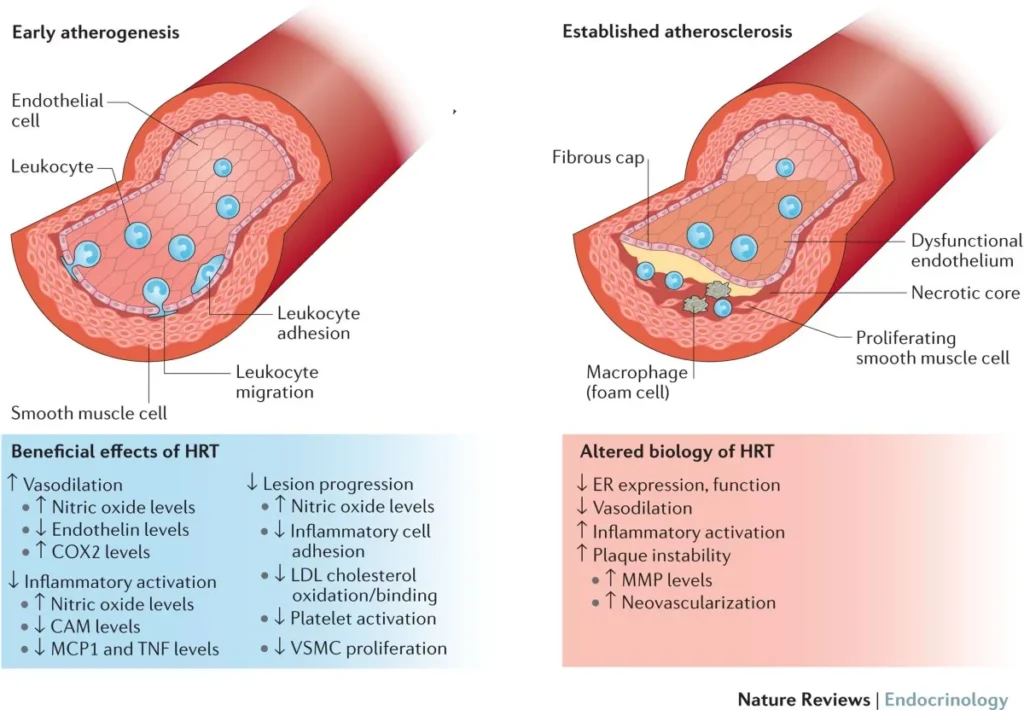
4. Reduced risk of heart disease: Estrogen has been shown to have a protective effect on the cardiovascular system, and ERT may help reduce the risk of heart disease in postmenopausal women.
Risks of Estrogen Replacement Therapy
While estrogen replacement therapy can have many benefits, there are also some potential risks associated with this treatment. Some of the potential risks of ERT include:
1. Increased risk of blood clots: Estrogen can increase the risk of blood clots, which can lead to serious complications such as stroke or heart attack.
2. Increased risk of breast cancer: Some studies have suggested that long-term use of estrogen may increase the risk of breast cancer in some women.
3. Increased risk of endometrial cancer: Women who still have their uterus may be at an increased risk of endometrial cancer if they take estrogen without also taking progesterone.
4. Other side effects: Some women may experience side effects from ERT, such as nausea, bloating, breast tenderness, or headaches.
FAQs About Estrogen Replacement Therapy
1. Who is a good candidate for estrogen replacement therapy?
Women who are experiencing menopausal symptoms, such as hot flashes, night sweats, and vaginal dryness, may be good candidates for estrogen replacement therapy. It is important to talk to your doctor about your symptoms and medical history to determine if ERT is right for you.
2. How is estrogen replacement therapy administered?
Estrogen replacement therapy can be administered in several different forms, including pills, patches, creams, and injections. Your doctor will help you determine the best method of administration based on your symptoms and medical history.
3. How long should I stay on estrogen replacement therapy?
The length of time you stay on estrogen replacement therapy will depend on your individual symptoms and medical history. Some women may only need to take estrogen for a few years, while others may need to take it for a longer period of time. It is important to talk to your doctor about your treatment plan and any concerns you may have.
4. Are there any alternative treatments to estrogen replacement therapy?
There are several alternative treatments available for menopausal symptoms, including lifestyle changes, dietary supplements, and other medications. It is important to talk to your doctor about all of your options and determine the best treatment plan for you.
In conclusion, estrogen replacement therapy can be an effective treatment for alleviating menopausal symptoms and other conditions related to hormonal imbalances. While ERT can have many benefits, it is important to talk to your doctor about the potential risks and side effects of this treatment. By working with your healthcare provider to develop a personalized treatment plan, you can find relief from your symptoms and improve your overall quality of life.