
A Closer Look at Ketosis: How Does the keto diet Transform Your Body?
The ketogenic diet, more commonly known as the keto diet, has gained immense popularity in recent years for its potential health benefits and weight loss effects. This high-fat, low-carb diet has been praised for its ability to help individuals achieve rapid weight loss, improve energy levels, and even enhance cognitive function. But how exactly does the keto diet work, and what changes occur in the body when following this eating plan? In this article, we will take a closer look at ketosis and explore how the keto diet transforms your body.
What is Ketosis?
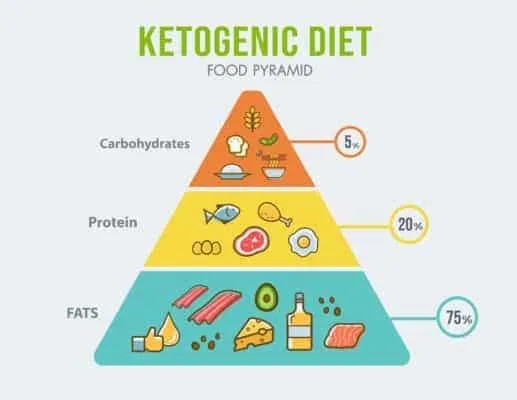
Ketosis is a metabolic state in which the body uses ketones, produced from the breakdown of fats in the liver, as its primary source of fuel instead of glucose from carbohydrates. When following a ketogenic diet, individuals consume a minimal amount of carbohydrates, typically less than 50 grams per day, forcing the body to switch from using glucose as its main energy source to burning fat for fuel. This shift in energy production leads to the production of ketones, which are then used by the body for energy.
How Does the keto diet Transform Your Body?
1. Weight Loss: One of the most well-known benefits of the keto diet is its ability to promote rapid weight loss. By restricting carbohydrate intake and increasing fat consumption, the body enters a state of ketosis, where it burns stored fat for energy. This can lead to significant weight loss, particularly in the form of body fat, as the body becomes more efficient at utilizing fat for fuel.
2. Improved Energy Levels: Many individuals report increased energy levels and improved mental clarity when following a ketogenic diet. This is because ketones are a more stable and efficient source of energy compared to glucose, which can lead to fluctuations in blood sugar levels and energy crashes. By relying on ketones for fuel, individuals may experience sustained energy levels throughout the day.
3. Appetite Control: The keto diet has been shown to help regulate appetite and reduce cravings, making it easier to adhere to a calorie-restricted eating plan. Ketones have been found to have a satiating effect, helping individuals feel fuller for longer and reducing the desire to overeat. This can lead to a decrease in overall calorie intake, which is essential for weight loss.
4. Blood Sugar Regulation: Following a ketogenic diet can help stabilize blood sugar levels and improve insulin sensitivity. By reducing carbohydrate intake and limiting spikes in blood sugar, individuals may experience better control over their blood glucose levels and reduce the risk of developing insulin resistance and type 2 diabetes.
5. Enhanced Cognitive Function: Ketones have been shown to have neuroprotective properties and may improve cognitive function, memory, and focus. By providing a more stable source of energy to the brain, ketones can enhance mental clarity and cognitive performance, making it an attractive option for individuals looking to boost their brain health.
FAQs
1. Is the keto diet safe for everyone to follow?
While the keto diet has been shown to be safe and effective for most individuals, it may not be suitable for everyone. It is essential to consult with a healthcare provider before starting any new diet plan, especially if you have underlying health conditions or are taking medications that may be affected by changes in diet.
2. How long does it take to enter ketosis?
The time it takes to enter ketosis can vary depending on the individual’s metabolism, activity level, and carbohydrate intake. Typically, it takes 2-4 days of following a strict ketogenic diet to enter ketosis, although some individuals may experience ketosis within 24-48 hours.
3. What are some common side effects of the keto diet?
Some common side effects of the keto diet, known as the “keto flu,” may include fatigue, headaches, dizziness, and muscle cramps. These symptoms are usually temporary and can be alleviated by staying hydrated, increasing electrolyte intake, and gradually transitioning to a ketogenic diet.
4. Can you exercise while following a keto diet?
Yes, it is possible to exercise while following a ketogenic diet. However, some individuals may experience a decrease in performance initially due to the body adapting to using ketones for fuel instead of glucose. It is essential to listen to your body, stay hydrated, and adjust your exercise routine as needed while following a keto diet.
5. How long should I follow a keto diet to see results?
The length of time it takes to see results on a keto diet can vary depending on individual goals, metabolism, and adherence to the eating plan. While some individuals may experience rapid weight loss and improved energy levels within a few weeks, others may take longer to see significant changes. It is essential to be patient and consistent with your diet and lifestyle choices to achieve long-term success on a keto diet.
In conclusion, the keto diet has the potential to transform your body by promoting weight loss, improving energy levels, regulating blood sugar, and enhancing cognitive function. By entering a state of ketosis, the body becomes more efficient at burning fat for fuel, leading to a range of health benefits. While the keto diet may not be suitable for everyone, consulting with a healthcare provider and following a well-balanced eating plan can help you achieve your health and wellness goals with the keto diet.