
Exploring the Benefits and Challenges of Ketosis
In recent years, the ketogenic diet has gained popularity as an effective way to lose weight and improve overall health. Ketosis is a metabolic state in which the body burns fat for fuel instead of carbohydrates. This article will explore the benefits and challenges of ketosis, as well as provide answers to frequently asked questions about this diet.
Benefits of Ketosis
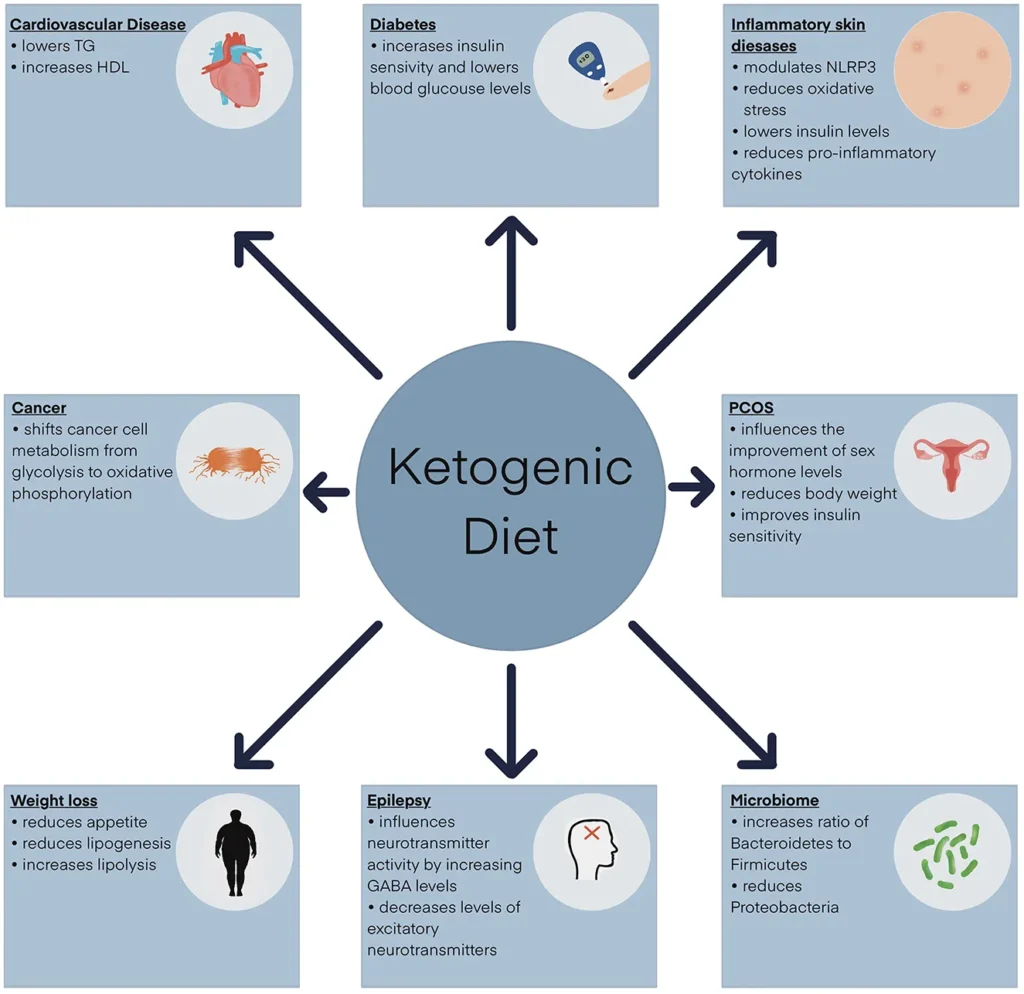
1. Weight Loss: One of the main benefits of ketosis is weight loss. When the body is in ketosis, it burns fat for fuel, which can lead to a significant reduction in body fat. This can be especially beneficial for those looking to lose weight or improve their body composition.
2. Improved Energy Levels: Many people report increased energy levels when following a ketogenic diet. This is because the body has a steady source of fuel in the form of fat, which can provide sustained energy throughout the day.
3. Mental Clarity: Ketosis has been shown to improve cognitive function and mental clarity. This is because ketones, which are produced during ketosis, can provide a more stable source of energy for the brain.
4. Reduced Inflammation: Ketosis has been found to reduce inflammation in the body, which can help improve overall health. Inflammation is linked to a number of chronic diseases, so reducing it can have a positive impact on health.
5. Improved Blood Sugar Control: Following a ketogenic diet can help stabilize blood sugar levels, which is beneficial for those with diabetes or insulin resistance. By reducing the amount of carbohydrates consumed, blood sugar levels can be better regulated.
Challenges of Ketosis
1. Initial Side Effects: When first starting a ketogenic diet, some people may experience side effects such as fatigue, headaches, and irritability. This is often referred to as the “keto flu” and usually resolves within a week or two as the body adjusts to using fat for fuel.
2. Restrictive Nature: The ketogenic diet can be quite restrictive, as it limits the amount of carbohydrates that can be consumed. This can make it difficult to follow for some people, especially those who are used to eating a high-carb diet.
3. Nutrient Deficiencies: Because the ketogenic diet restricts certain food groups, such as fruits and grains, it can be challenging to get all the necessary nutrients. It’s important to carefully plan meals to ensure that all nutrient needs are met.
4. Potential Long-Term Health Risks: Some experts have raised concerns about the long-term health effects of following a ketogenic diet. There is evidence to suggest that a diet high in saturated fats (as is common on a ketogenic diet) may increase the risk of heart disease.
5. Social Challenges: Following a ketogenic diet can be challenging in social situations, as many social gatherings revolve around food that is high in carbohydrates. This can make it difficult to stick to the diet when dining out or attending events.
FAQs about Ketosis
Q: How long does it take to get into ketosis?
A: It typically takes 2-4 days of following a ketogenic diet to enter ketosis. However, this can vary depending on individual factors such as metabolism and activity level.
Q: Can I exercise while in ketosis?
A: Yes, it is possible to exercise while in ketosis. Many people find that they have increased endurance and improved performance during workouts when following a ketogenic diet.
Q: Is ketosis safe for everyone?
A: Ketosis is generally safe for most people, but it may not be suitable for individuals with certain medical conditions, such as diabetes or kidney disease. It’s important to consult with a healthcare provider before starting a ketogenic diet.
Q: How can I tell if I am in ketosis?
A: There are several ways to tell if you are in ketosis, including testing for ketones in the urine or blood, or by monitoring symptoms such as increased energy levels and reduced appetite.
Q: Can I cheat on the ketogenic diet?
A: Some people choose to have “cheat days” while following a ketogenic diet, where they consume higher amounts of carbohydrates. While this may not kick you out of ketosis permanently, it can delay the process of getting back into ketosis.
In conclusion, ketosis can offer a number of benefits, including weight loss, improved energy levels, and mental clarity. However, there are also challenges associated with following a ketogenic diet, such as initial side effects, restrictive nature, and potential long-term health risks. It’s important to carefully consider these factors before starting a ketogenic diet and to consult with a healthcare provider if necessary. With proper planning and guidance, ketosis can be a safe and effective way to improve health and achieve weight loss goals.