
Menopause is a natural process that every woman goes through as she reaches a certain age. It marks the end of a woman’s reproductive years and comes with a variety of symptoms that can significantly impact her quality of life. While some women may experience mild symptoms, others may suffer from severe discomfort that requires treatment.
Fortunately, there are a variety of over-the-counter (OTC) treatments available to help alleviate the symptoms of menopause. These treatments can help women find relief from hot flashes, night sweats, mood swings, and other common symptoms associated with this stage of life. In this article, we will explore some of the most effective OTC menopause treatments and provide answers to frequently asked questions about managing menopausal symptoms.
1. Black Cohosh
Black cohosh is a popular herbal remedy that has been used for centuries to treat menopausal symptoms. It is believed to help regulate hormone levels and reduce the frequency and severity of hot flashes and night sweats. Some studies have shown that black cohosh may be as effective as hormone replacement therapy (HRT) in reducing menopausal symptoms.
2. Soy Isoflavones
Soy isoflavones are plant compounds that have estrogen-like effects on the body. They are believed to help alleviate menopausal symptoms by mimicking the effects of estrogen in the body. Some studies have shown that soy isoflavones can help reduce the frequency and severity of hot flashes and night sweats in menopausal women.
3. Vitamin E
Vitamin E is a powerful antioxidant that can help reduce inflammation in the body. Some studies have shown that vitamin E supplements can help alleviate menopausal symptoms such as hot flashes and night sweats. It is believed that vitamin E may help regulate hormone levels and reduce the frequency and severity of menopausal symptoms.
4. Evening Primrose Oil
Evening primrose oil is a rich source of gamma-linolenic acid (GLA), a type of omega-6 fatty acid that has anti-inflammatory properties. Some studies have shown that evening primrose oil can help reduce the frequency and severity of menopausal symptoms such as hot flashes and night sweats. It is believed that evening primrose oil may help regulate hormone levels and reduce inflammation in the body.
5. B-complex Vitamins
B-complex vitamins are essential for maintaining overall health and well-being. They play a crucial role in energy production, nerve function, and hormone regulation. Some studies have shown that B-complex vitamins can help alleviate menopausal symptoms such as mood swings, irritability, and fatigue. It is believed that B-complex vitamins may help regulate hormone levels and improve overall mood and well-being.
6. Calcium and Vitamin D
Calcium and vitamin D are essential nutrients for maintaining bone health and preventing osteoporosis. During menopause, women are at an increased risk of developing osteoporosis due to the decline in estrogen levels. It is important for menopausal women to ensure they are getting an adequate intake of calcium and vitamin D to support bone health and reduce the risk of fractures.
7. Lifestyle Changes
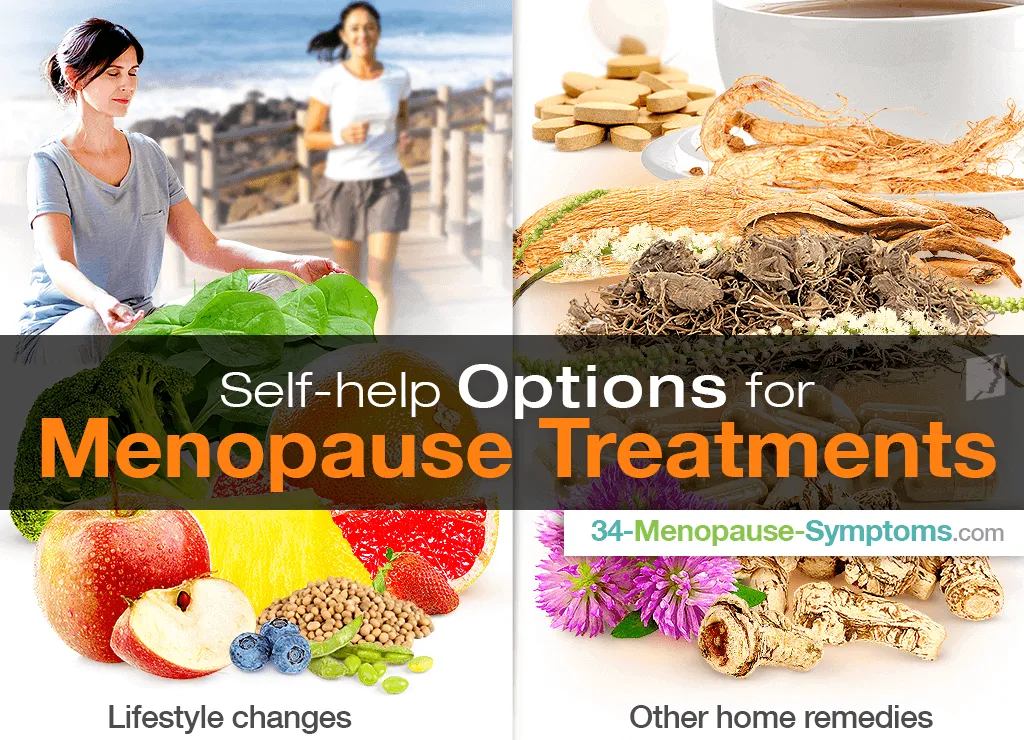
In addition to OTC treatments, making lifestyle changes can also help alleviate menopausal symptoms. Regular exercise, a healthy diet, stress management techniques, and adequate sleep can all help reduce the frequency and severity of hot flashes, night sweats, and other common menopausal symptoms. It is important for women to take care of their overall health and well-being during this stage of life.
FAQs
Q: Are OTC menopause treatments safe?
A: OTC menopause treatments are generally considered safe when used as directed. However, it is important for women to consult with their healthcare provider before starting any new treatment to ensure it is appropriate for their individual needs and health concerns.
Q: How long do menopausal symptoms last?
A: Menopausal symptoms can vary in duration and intensity from woman to woman. Some women may experience symptoms for a few months, while others may experience them for several years. It is important for women to seek treatment and support to help manage their symptoms and improve their quality of life during this stage of life.
Q: Can OTC treatments interact with other medications?
A: Some OTC menopause treatments may interact with other medications or supplements. It is important for women to consult with their healthcare provider before starting any new treatment to ensure there are no potential interactions that could affect their health or well-being.
Q: Are there any side effects of OTC menopause treatments?
A: Some women may experience mild side effects when taking OTC menopause treatments, such as digestive upset or allergic reactions. It is important for women to monitor their symptoms and report any concerns to their healthcare provider.
Q: How can I find the right OTC menopause treatment for me?
A: Finding the right OTC menopause treatment can be a trial-and-error process. It is important for women to try different treatments and monitor their symptoms to determine which ones are most effective for them. Consulting with a healthcare provider can also help women find the right treatment for their individual needs and health concerns.
In conclusion, menopause is a natural stage of life that every woman goes through. While it can come with a variety of uncomfortable symptoms, there are a variety of OTC treatments available to help alleviate these symptoms and improve quality of life. By exploring different treatment options, making lifestyle changes, and seeking support from healthcare providers, women can find relief from menopausal symptoms and embrace this new stage of life with confidence and vitality.