
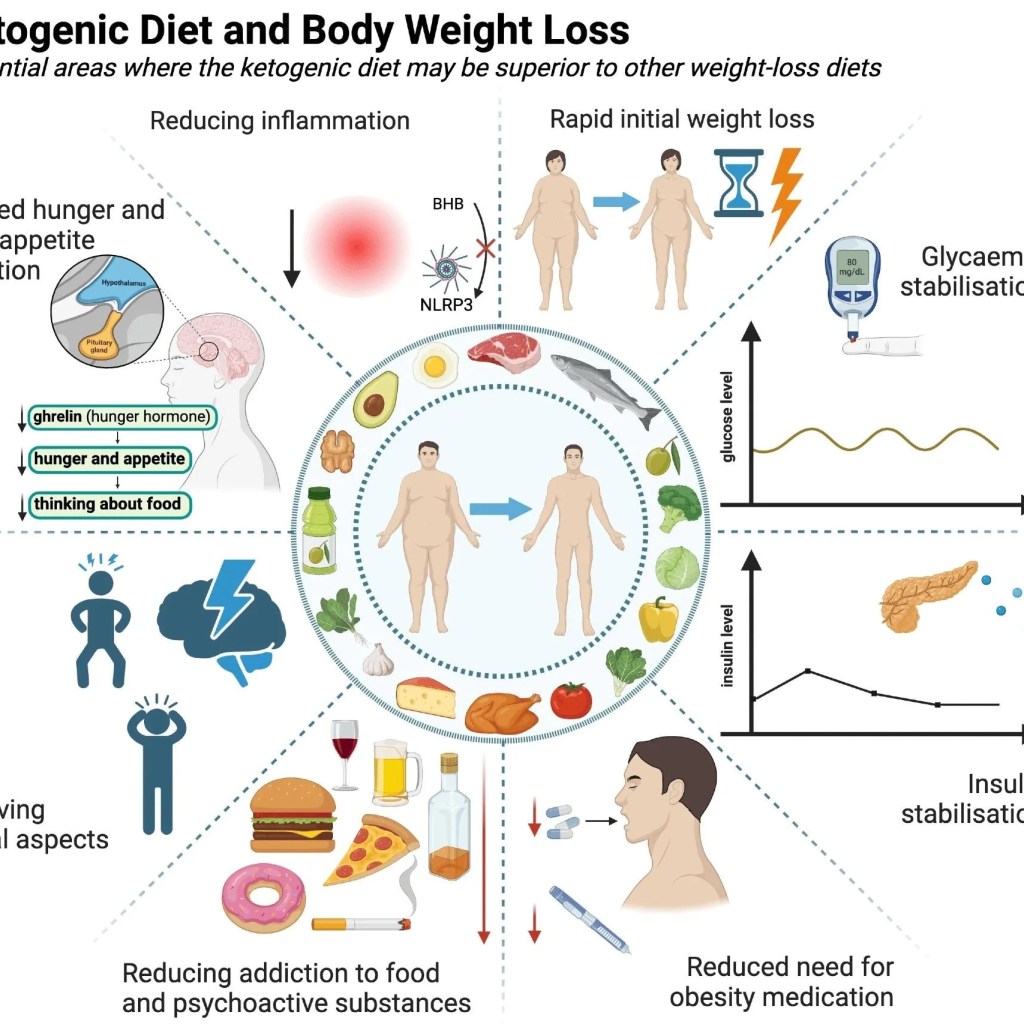
The ketogenic diet, also known as the keto diet, has gained popularity in recent years for its potential health benefits, including weight loss and improved blood sugar control. For individuals with diabetes, the ketogenic diet may offer even more benefits, as it can help to regulate blood sugar levels and reduce the risk of complications associated with the disease.
In this article, we will break down the benefits of a ketogenic diet for diabetes, including how it works, its potential effects on blood sugar control, and other ways it can benefit those with diabetes. We will also address common questions and concerns about the ketogenic diet for diabetes, including potential side effects and how to get started.
What is a Ketogenic Diet?
A ketogenic diet is a high-fat, low-carbohydrate diet that is designed to induce a state of ketosis in the body. Ketosis is a metabolic state in which the body burns fat for fuel instead of carbohydrates, resulting in the production of ketones as a byproduct. This can lead to weight loss and improved metabolic health, as well as other benefits such as improved blood sugar control.
The ketogenic diet typically consists of 70-80% of calories from fat, 20-25% from protein, and 5-10% from carbohydrates. This can vary depending on individual needs and goals, but the general idea is to severely restrict carbohydrate intake in order to shift the body into a state of ketosis.
How Does a Ketogenic Diet Help with Diabetes?
For individuals with diabetes, the ketogenic diet can offer several benefits for blood sugar control and overall health. By drastically reducing carbohydrate intake, the ketogenic diet can help to stabilize blood sugar levels and reduce the need for insulin or other medications. This can help to prevent spikes and crashes in blood sugar, which can be harmful to those with diabetes.
In addition, the ketogenic diet can help to improve insulin sensitivity, which is the body’s ability to respond to insulin and regulate blood sugar levels. This can help to reduce the risk of developing insulin resistance, a common complication of diabetes that can lead to further health issues.
The ketogenic diet can also help to promote weight loss, which is important for individuals with diabetes who may be overweight or obese. Excess weight can contribute to insulin resistance and other complications of diabetes, so losing weight can help to improve overall health and reduce the risk of complications.
Other Benefits of a Ketogenic Diet for Diabetes
In addition to improved blood sugar control and weight loss, the ketogenic diet can offer other benefits for individuals with diabetes. These may include:
– Reduced inflammation: The ketogenic diet has been shown to reduce inflammation in the body, which can help to improve overall health and reduce the risk of complications associated with diabetes.
– Improved cholesterol levels: The ketogenic diet can help to improve cholesterol levels, including reducing LDL (bad) cholesterol and increasing HDL (good) cholesterol, which can help to reduce the risk of heart disease and other complications of diabetes.
– Increased energy: Many people report feeling more energetic and focused on a ketogenic diet, which can help to improve quality of life for individuals with diabetes.
– Better mental clarity: The ketogenic diet has been shown to improve cognitive function and mental clarity, which can be especially important for individuals with diabetes who may experience cognitive decline as a result of the disease.
FAQs about the Ketogenic Diet for Diabetes
1. Is the ketogenic diet safe for individuals with diabetes?
The ketogenic diet can be safe for individuals with diabetes, but it is important to work closely with a healthcare provider or registered dietitian to ensure that it is appropriate for your individual needs and goals. It is also important to monitor blood sugar levels and adjust medications as needed while following a ketogenic diet.
2. Are there any side effects of the ketogenic diet for diabetes?
Some people may experience side effects when starting a ketogenic diet, including fatigue, headaches, and digestive issues. These typically subside after a few days as the body adjusts to using fat for fuel instead of carbohydrates. It is important to stay hydrated and eat a variety of nutrient-dense foods while following a ketogenic diet to help minimize side effects.
3. How do I get started on a ketogenic diet for diabetes?
To get started on a ketogenic diet for diabetes, it is important to first consult with a healthcare provider or registered dietitian to ensure that it is appropriate for your individual needs and goals. They can help you create a personalized meal plan and provide guidance on how to monitor blood sugar levels and adjust medications as needed.
4. Can the ketogenic diet cure diabetes?
While the ketogenic diet can help to improve blood sugar control and reduce the risk of complications associated with diabetes, it is not a cure for the disease. It is important to continue working with a healthcare provider to manage diabetes and monitor blood sugar levels while following a ketogenic diet.
In conclusion, the ketogenic diet can offer several benefits for individuals with diabetes, including improved blood sugar control, weight loss, reduced inflammation, and improved cholesterol levels. It is important to work closely with a healthcare provider or registered dietitian to ensure that the ketogenic diet is appropriate for your individual needs and goals, and to monitor blood sugar levels and adjust medications as needed. By incorporating the ketogenic diet into a comprehensive diabetes management plan, individuals with diabetes can improve their overall health and reduce the risk of complications associated with the disease.