
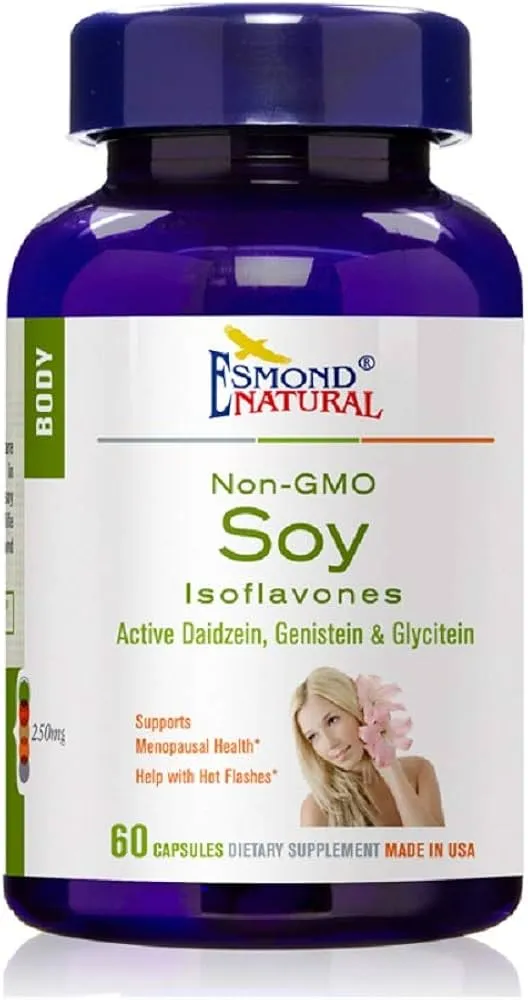
Soy Isoflavones: A Natural Remedy for Menopausal Hot Flashes
Menopause is a natural stage in a woman’s life that marks the end of her reproductive years. It is characterized by a decrease in estrogen levels, which can lead to a variety of symptoms including hot flashes, night sweats, mood swings, and vaginal dryness. Hot flashes, in particular, are one of the most common symptoms of menopause and can be quite bothersome for many women.
While hormone replacement therapy (HRT) has traditionally been used to alleviate menopausal symptoms, some women are turning to natural remedies such as soy isoflavones to help manage their symptoms. Soy isoflavones are plant-based compounds that have been found to have estrogen-like effects in the body, making them a popular choice for women looking for a natural way to alleviate hot flashes.
In this article, we will explore the benefits of soy isoflavones for menopausal hot flashes, how they work in the body, and how they compare to other treatment options. We will also address some frequently asked questions about soy isoflavones and their use in managing menopausal symptoms.
Benefits of Soy Isoflavones for Menopausal Hot Flashes
Soy isoflavones are phytoestrogens, which are plant-based compounds that have a similar structure to the hormone estrogen. This allows them to bind to estrogen receptors in the body and mimic the effects of estrogen, which can help alleviate menopausal symptoms such as hot flashes.
Several studies have found that soy isoflavones can help reduce the frequency and severity of hot flashes in menopausal women. One study published in the journal Menopause found that women who consumed soy isoflavones experienced a significant decrease in the frequency of hot flashes compared to those who did not consume them.
In addition to reducing hot flashes, soy isoflavones have also been found to have other benefits for menopausal women. For example, they may help improve bone health and reduce the risk of osteoporosis, which is common in menopausal women due to the decrease in estrogen levels. Soy isoflavones have also been shown to have antioxidant properties, which can help protect against age-related diseases such as heart disease and cancer.
How Soy Isoflavones Work in the Body
Soy isoflavones work in the body by binding to estrogen receptors and mimicking the effects of estrogen. Estrogen is a hormone that plays a key role in regulating the menstrual cycle and maintaining bone health, among other functions. As women enter menopause and estrogen levels decline, they may experience symptoms such as hot flashes due to the imbalance of hormones in the body.
By consuming soy isoflavones, women can help restore some of the estrogen-like effects in the body, which can help alleviate menopausal symptoms such as hot flashes. Soy isoflavones are also believed to have antioxidant properties, which can help protect against oxidative stress and inflammation in the body.
Compared to Other Treatment Options
While soy isoflavones can be an effective natural remedy for menopausal hot flashes, they may not be suitable for everyone. Some women may be allergic to soy or have a sensitivity to estrogen-like compounds, which could cause adverse reactions. In addition, soy isoflavones may not be as effective as hormone replacement therapy (HRT) for severe menopausal symptoms.
HRT is a treatment option that involves taking synthetic hormones to replace the estrogen that the body is no longer producing. While HRT can be effective at alleviating menopausal symptoms, it is also associated with some risks, such as an increased risk of breast cancer and cardiovascular disease. Women who are considering HRT should discuss the potential risks and benefits with their healthcare provider.
Other natural remedies for menopausal hot flashes include black cohosh, red clover, and evening primrose oil. These herbal supplements have been used for centuries to alleviate menopausal symptoms and may be effective for some women. However, it is important to consult with a healthcare provider before taking any herbal supplements, as they can interact with medications or have side effects.
Frequently Asked Questions about Soy Isoflavones
Q: Are soy isoflavones safe to take during menopause?
A: Soy isoflavones are generally considered safe for most women to take during menopause. However, some women may be allergic to soy or have a sensitivity to estrogen-like compounds, which could cause adverse reactions. It is always best to consult with a healthcare provider before starting any new supplement regimen.
Q: How much soy isoflavones should I take for menopausal hot flashes?
A: The optimal dosage of soy isoflavones for menopausal hot flashes is not well-established. Some studies have used doses ranging from 40 to 160 mg per day, while others have used higher doses. It is best to start with a lower dose and gradually increase it as needed, under the guidance of a healthcare provider.
Q: How long does it take for soy isoflavones to work?
A: It may take several weeks to months for soy isoflavones to have an effect on menopausal hot flashes. Some women may notice a reduction in symptoms within a few weeks of starting supplementation, while others may take longer to see results. It is important to be patient and consistent with taking soy isoflavones to experience the full benefits.
Q: Are there any side effects of taking soy isoflavones?
A: Some women may experience digestive issues such as gas, bloating, or diarrhea when taking soy isoflavones. In rare cases, soy isoflavones may also cause allergic reactions in individuals who are sensitive to soy. If you experience any adverse reactions, it is important to stop taking soy isoflavones and consult with a healthcare provider.
Q: Can I take soy isoflavones if I have a history of breast cancer?
A: Women with a history of breast cancer or other hormone-sensitive cancers should consult with their healthcare provider before taking soy isoflavones. While soy isoflavones are generally considered safe for most women, they may have estrogen-like effects that could potentially stimulate the growth of hormone-sensitive cancers. It is best to discuss the potential risks and benefits with a healthcare provider before starting any new supplement regimen.
In conclusion, soy isoflavones can be a natural and effective remedy for menopausal hot flashes. These plant-based compounds have estrogen-like effects in the body, which can help alleviate menopausal symptoms such as hot flashes. While soy isoflavones may not be as effective as hormone replacement therapy for severe symptoms, they can be a safe and gentle option for women looking for a natural way to manage their menopausal symptoms. As with any supplement, it is important to consult with a healthcare provider before starting a new regimen to ensure that it is safe and appropriate for your individual needs.