
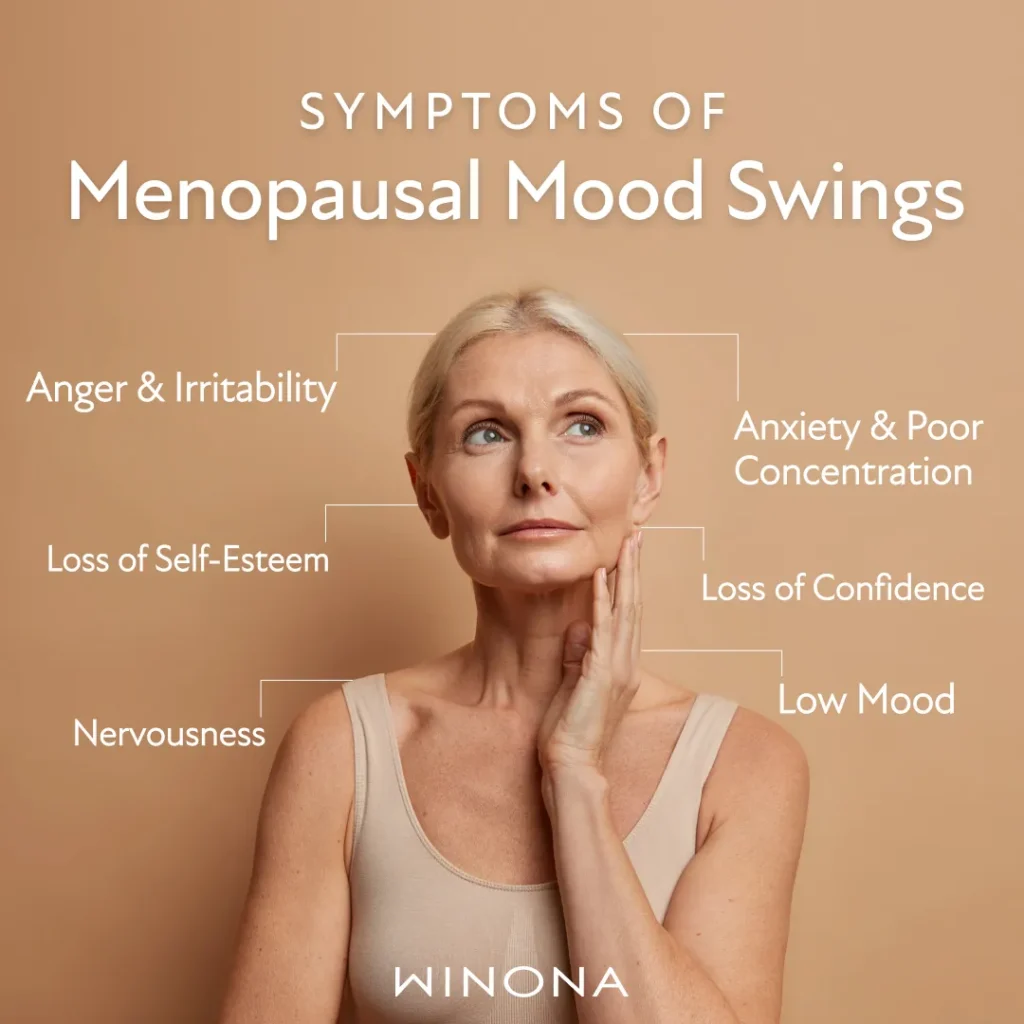
Breaking the Stigma: How Menopause Mood Swings are Normal and Manageable
Menopause is a natural biological process that all women go through as they age. It marks the end of a woman’s reproductive years and is characterized by a range of physical and emotional symptoms. One of the most common and often misunderstood symptoms of menopause is mood swings. Many women experience mood swings during menopause, which can be intense and disruptive to daily life. However, it is important to understand that menopause mood swings are normal and manageable.
In this article, we will explore the causes of menopause mood swings, how they can be managed, and why it is important to break the stigma surrounding this natural process. We will also address some frequently asked questions about menopause mood swings to provide a comprehensive understanding of this topic.
Causes of Menopause Mood Swings
Menopause is triggered by a decrease in the production of estrogen and progesterone, the hormones responsible for regulating a woman’s menstrual cycle. As these hormone levels fluctuate and eventually decline, it can have a significant impact on a woman’s emotional well-being. The hormonal changes during menopause can disrupt the balance of neurotransmitters in the brain, leading to mood swings, irritability, and anxiety.
In addition to hormonal changes, other factors can contribute to menopause mood swings. These include:
1. Stress: Menopause can be a stressful time for many women, as they navigate the physical and emotional changes that come with this stage of life. Chronic stress can exacerbate mood swings and make them more difficult to manage.
2. Lack of sleep: Sleep disturbances are common during menopause, as hot flashes, night sweats, and other symptoms can disrupt sleep patterns. Sleep deprivation can worsen mood swings and contribute to feelings of irritability and fatigue.
3. Lifestyle factors: Poor diet, lack of exercise, and smoking can all impact a woman’s emotional well-being during menopause. Maintaining a healthy lifestyle can help to reduce the severity of mood swings and improve overall mental health.
Managing Menopause Mood Swings
While menopause mood swings can be challenging, there are several strategies that women can use to manage them effectively. These include:
1. Hormone replacement therapy (HRT): HRT can help to alleviate menopause symptoms, including mood swings, by replacing the hormones that are no longer being produced by the body. However, HRT is not suitable for all women and should be discussed with a healthcare provider.
2. Lifestyle changes: Eating a healthy diet, exercising regularly, getting an adequate amount of sleep, and practicing relaxation techniques such as meditation or yoga can all help to reduce the severity of menopause mood swings.
3. Counseling or therapy: Talking to a mental health professional can be beneficial for women experiencing severe mood swings during menopause. Therapy can help women to process their emotions, develop coping strategies, and improve their overall mental health.
4. Support from loved ones: Having a strong support system of friends and family members can make a significant difference in how women cope with menopause mood swings. Talking openly about feelings and seeking help when needed can help women to feel less isolated and more supported during this challenging time.
Breaking the Stigma Surrounding Menopause Mood Swings
Despite being a natural part of the aging process, menopause is often surrounded by stigma and misconceptions. Women experiencing menopause mood swings may feel embarrassed, ashamed, or isolated, leading them to suffer in silence. It is important to break the stigma surrounding menopause and educate society about the normalcy of this transition.
By raising awareness about menopause and its symptoms, we can help to promote understanding and empathy for women going through this stage of life. Encouraging open and honest conversations about menopause can help to reduce the shame and secrecy that often surrounds this topic, empowering women to seek support and care for their physical and emotional well-being.
Frequently Asked Questions about Menopause Mood Swings
Q: Are menopause mood swings the same as PMS (premenstrual syndrome) symptoms?
A: Menopause mood swings and PMS symptoms can be similar in some ways, as both are caused by hormonal fluctuations. However, menopause mood swings are typically more intense and long-lasting than PMS symptoms, which occur in the days leading up to menstruation.
Q: How long do menopause mood swings last?
A: Menopause mood swings can last for several years during the perimenopausal phase, which is the transitional period leading up to menopause. Once a woman has reached menopause and her hormone levels have stabilized, mood swings may diminish in intensity or frequency.
Q: Can menopause mood swings be a sign of a more serious mental health condition?
A: While mood swings are a common symptom of menopause, they can also be a sign of underlying mental health conditions such as depression or anxiety. It is important for women experiencing severe or persistent mood swings to seek help from a healthcare provider to rule out any potential mental health concerns.
Q: Are there any natural remedies for menopause mood swings?
A: Some women find relief from menopause mood swings by using natural remedies such as herbal supplements, acupuncture, or aromatherapy. However, it is important to consult with a healthcare provider before trying any alternative treatments to ensure they are safe and effective.
In conclusion, menopause mood swings are a normal and manageable symptom of the natural aging process. By understanding the causes of menopause mood swings, learning how to manage them effectively, and breaking the stigma surrounding this topic, women can navigate this transition with greater ease and confidence. Through open communication, education, and support, we can empower women to embrace menopause as a natural and transformative phase of life.