
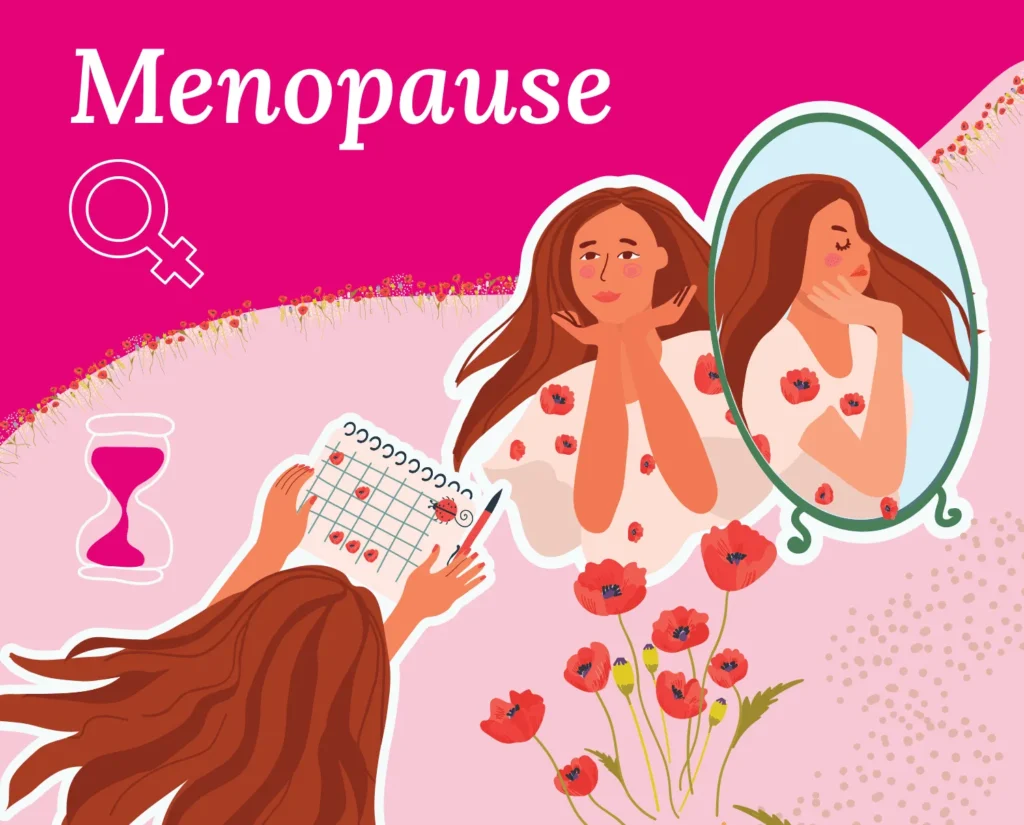
Menopause is a natural biological process that marks the end of a woman’s menstrual cycles. It typically occurs in women in their late 40s or early 50s, but can also happen earlier in some cases. Menopause is characterized by a decrease in the production of estrogen and progesterone, two hormones that play a key role in regulating the menstrual cycle.
While most people are aware of the physical symptoms of menopause, such as hot flashes, night sweats, and changes in libido, fewer people are aware of the impact that menopause can have on mental health. The hormonal changes that occur during menopause can lead to a range of emotional and psychological symptoms, including mood swings, anxiety, depression, and cognitive difficulties.
In this article, we will explore the ways in which menopause can impact mental health, as well as strategies for managing these symptoms. We will also address some common questions and misconceptions about menopause and mental health.
The Impact of Menopause on Mental Health
Menopause is a period of significant hormonal fluctuations, which can have a profound impact on mental health. Estrogen and progesterone play a key role in regulating mood and cognitive function, so when levels of these hormones decline during menopause, it can lead to a range of psychological symptoms.
One of the most common mental health symptoms associated with menopause is mood swings. Many women experience sudden changes in mood, ranging from irritability and agitation to sadness and despair. These mood swings can be unpredictable and can have a significant impact on a woman’s quality of life.
Anxiety is another common mental health symptom that can occur during menopause. Many women report feeling more anxious and on edge during this time, which can be exacerbated by other menopausal symptoms such as hot flashes and sleep disturbances. This can lead to a cycle of anxiety and stress that can be difficult to break.
Depression is also a common mental health symptom that can occur during menopause. The hormonal changes that occur during this time can disrupt the brain’s natural chemistry, leading to feelings of sadness, hopelessness, and despair. Depression during menopause can be particularly challenging, as it can be difficult to differentiate between the symptoms of depression and the physical symptoms of menopause.
In addition to mood swings, anxiety, and depression, menopause can also lead to cognitive difficulties. Many women report experiencing memory problems, difficulty concentrating, and mental fog during this time. These cognitive difficulties can be frustrating and can impact a woman’s ability to perform daily tasks and work effectively.
Strategies for Managing Menopause-Related Mental Health Symptoms
While the mental health symptoms associated with menopause can be challenging, there are a variety of strategies that can help women manage these symptoms and improve their overall well-being. Here are some tips for managing menopause-related mental health symptoms:
1. Stay active: Regular exercise can help improve mood, reduce anxiety, and enhance cognitive function. Aim to get at least 30 minutes of moderate exercise most days of the week, such as walking, swimming, or yoga.
2. Practice relaxation techniques: Stress can exacerbate menopause-related mental health symptoms, so it’s important to find ways to relax and unwind. Try techniques such as deep breathing, meditation, or progressive muscle relaxation to help calm your mind and body.
3. Get enough sleep: Sleep disturbances are common during menopause, but getting enough rest is essential for mental health. Create a bedtime routine that promotes relaxation and ensures you get at least 7-8 hours of sleep each night.
4. Eat a healthy diet: Eating a balanced diet rich in fruits, vegetables, whole grains, and lean proteins can help support your mental health during menopause. Avoiding caffeine, alcohol, and processed foods can also help reduce mood swings and anxiety.
5. Seek support: Talking to friends, family members, or a therapist can help you navigate the emotional challenges of menopause. Support groups for menopausal women can also provide a sense of community and understanding.
Frequently Asked Questions about Menopause and Mental Health
Q: Can menopause cause anxiety and depression?
A: Yes, the hormonal changes that occur during menopause can lead to anxiety and depression in some women. If you are experiencing persistent feelings of sadness, hopelessness, or anxiety, it’s important to talk to your healthcare provider.
Q: Can hormone replacement therapy help with menopause-related mental health symptoms?
A: Hormone replacement therapy (HRT) can help alleviate some menopause-related mental health symptoms by restoring hormone levels to normal. However, HRT is not suitable for everyone and can have potential risks and side effects. Talk to your healthcare provider to determine if HRT is right for you.
Q: Are there natural remedies for managing menopause-related mental health symptoms?
A: Some women find relief from menopause-related mental health symptoms by using natural remedies such as herbal supplements, acupuncture, or mindfulness meditation. However, it’s important to talk to your healthcare provider before trying any new treatments to ensure they are safe and effective.
Q: How long do menopause-related mental health symptoms last?
A: Menopause-related mental health symptoms can vary in duration and intensity from woman to woman. For some women, these symptoms may be temporary and resolve on their own, while for others, they may persist for several years. If you are experiencing persistent mental health symptoms during menopause, it’s important to seek help from a healthcare provider.
In conclusion, menopause can have a significant impact on mental health, leading to symptoms such as mood swings, anxiety, depression, and cognitive difficulties. However, by understanding the ways in which menopause can affect mental health and implementing strategies for managing these symptoms, women can improve their overall well-being and quality of life during this transition. If you are experiencing menopause-related mental health symptoms, don’t hesitate to seek help from a healthcare provider or mental health professional.