
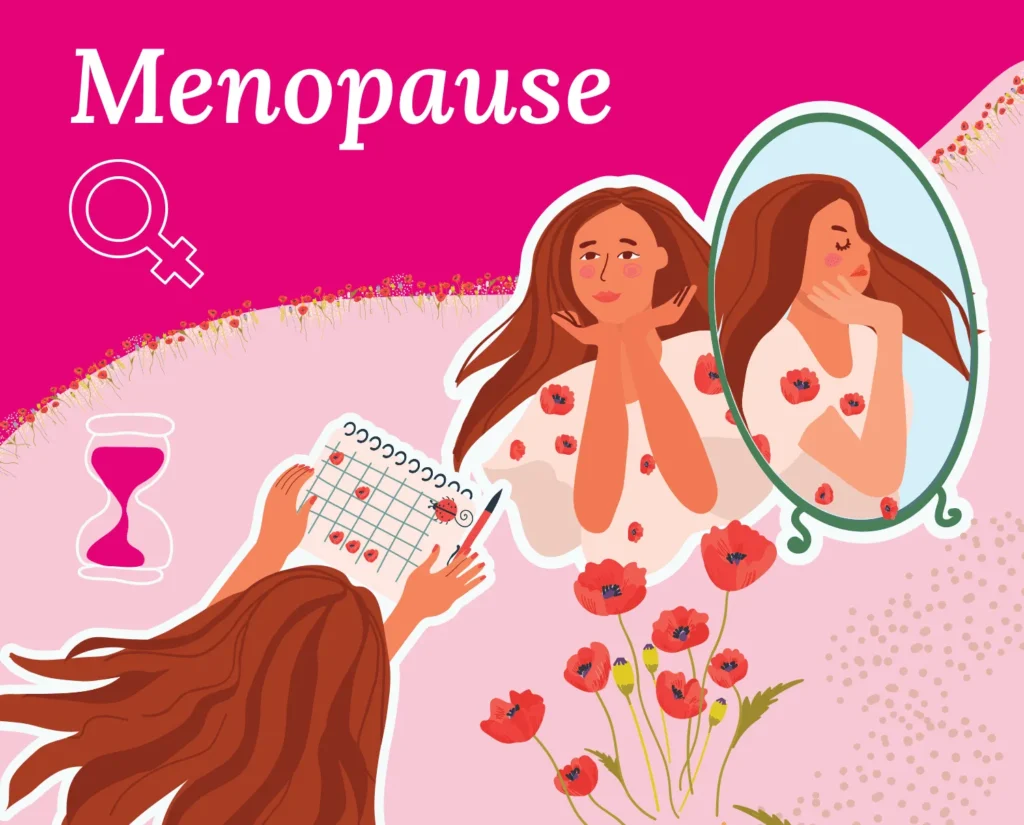
Menopause is a natural biological process that marks the end of a woman’s reproductive years. It typically occurs in women between the ages of 45 and 55, although it can happen earlier or later for some women. Menopause is characterized by the cessation of menstruation and a decrease in the production of estrogen and progesterone hormones by the ovaries.
While menopause is a normal part of aging, it can have a significant impact on a woman’s physical and emotional well-being. In addition to the well-known physical symptoms such as hot flashes, night sweats, and vaginal dryness, menopause can also affect a woman’s mental health. The hormonal changes associated with menopause can lead to mood swings, anxiety, depression, and other mental health issues.
While much attention has been paid to the physical symptoms of menopause, the impact on mental health is often overlooked. This silent struggle can have a profound effect on a woman’s quality of life and ability to cope with the challenges of this transitional period. In this article, we will explore how menopause can impact mental health, common symptoms and risk factors, and strategies for managing these issues.
Impact of Menopause on Mental Health
The hormonal changes that occur during menopause can have a direct impact on a woman’s mental health. Estrogen and progesterone play a key role in regulating mood, sleep, and stress response, among other functions. As levels of these hormones decline during menopause, women may experience a range of emotional and cognitive symptoms.
One of the most common mental health issues associated with menopause is depression. Studies have shown that women are more likely to experience depression during perimenopause and menopause than at other times in their lives. The risk of depression may be higher for women who have a history of depression, a family history of mood disorders, or who are experiencing severe physical symptoms of menopause.
In addition to depression, women may also experience increased anxiety during menopause. Anxiety symptoms can include feelings of worry, fear, and restlessness, as well as physical symptoms such as rapid heartbeat, sweating, and trembling. Women who have a history of anxiety disorders or who are experiencing high levels of stress may be more vulnerable to developing anxiety during menopause.
Other common mental health issues that can arise during menopause include mood swings, irritability, and difficulty concentrating. These symptoms can be disruptive to a woman’s daily life and relationships, and may contribute to feelings of frustration and low self-esteem. Women may also experience changes in sleep patterns, such as insomnia or disrupted sleep, which can further impact their mental health and overall well-being.
In addition to the direct hormonal effects on mental health, the physical symptoms of menopause can also contribute to emotional distress. Hot flashes, night sweats, and other physical symptoms can be uncomfortable and disruptive, leading to feelings of frustration, embarrassment, and annoyance. Sleep disturbances and fatigue can also contribute to mood changes and cognitive difficulties.
Common Symptoms and Risk Factors
While every woman’s experience of menopause is unique, there are some common symptoms and risk factors that can increase the likelihood of mental health issues during this time. Some of the most common symptoms of menopause that can impact mental health include:
1. Hot flashes and night sweats: These sudden waves of heat and sweating can be uncomfortable and disruptive, leading to feelings of frustration and irritability.
2. Vaginal dryness: This common symptom of menopause can lead to discomfort during sex and affect a woman’s self-esteem and body image.
3. Sleep disturbances: Insomnia, waking up frequently during the night, and other sleep disturbances can contribute to mood changes, irritability, and difficulty concentrating.
4. Fatigue: Hormonal changes, sleep disturbances, and physical symptoms of menopause can all contribute to feelings of fatigue and low energy.
5. Mood swings: Fluctuations in hormone levels can lead to sudden changes in mood, including feelings of sadness, anger, or irritability.
6. Anxiety: Women may experience increased feelings of worry, fear, and restlessness during menopause, which can be disruptive to daily life and relationships.
In addition to these common symptoms, there are also certain risk factors that can increase a woman’s likelihood of experiencing mental health issues during menopause. Some of the most common risk factors include:
1. History of depression or anxiety: Women who have a history of mood disorders are more likely to experience depression or anxiety during menopause.
2. Family history of mood disorders: Women with a family history of depression or anxiety disorders may be at higher risk of developing these issues during menopause.
3. Severe physical symptoms: Women who are experiencing severe physical symptoms of menopause, such as frequent hot flashes or night sweats, may be more vulnerable to developing mental health issues.
4. High levels of stress: Stress can exacerbate symptoms of menopause and contribute to feelings of anxiety, depression, and irritability.
5. Lack of social support: Women who lack a strong support network of friends and family may be more likely to experience feelings of loneliness, isolation, and low self-esteem during menopause.
Strategies for Managing Mental Health During Menopause
While menopause can be a challenging time for many women, there are strategies that can help manage the impact on mental health and well-being. It is important for women to prioritize self-care and seek support from healthcare providers, mental health professionals, and loved ones. Some strategies for managing mental health during menopause include:
1. Stay active: Regular physical activity can help improve mood, reduce stress, and promote overall well-being. Exercise can also help manage physical symptoms of menopause, such as hot flashes and insomnia.
2. Eat a healthy diet: A balanced diet rich in fruits, vegetables, whole grains, and lean protein can help support mental health and overall well-being. Avoiding caffeine, alcohol, and sugary foods can also help reduce mood swings and anxiety.
3. Get enough sleep: Establishing a regular sleep routine and practicing good sleep hygiene can help improve sleep quality and reduce fatigue and irritability. Avoiding caffeine, alcohol, and electronic devices before bed can also help promote restful sleep.
4. Practice relaxation techniques: Mindfulness meditation, deep breathing exercises, and progressive muscle relaxation can help reduce stress, anxiety, and mood swings. These techniques can also promote a sense of calm and relaxation.
5. Seek support: Talking to friends, family members, or a therapist about your feelings and experiences during menopause can help you feel heard, understood, and supported. Support groups for women going through menopause can also provide a sense of community and connection.
6. Consider hormone therapy: Hormone therapy can help alleviate physical symptoms of menopause, such as hot flashes and night sweats, and may also improve mood and overall well-being. Talk to your healthcare provider about the potential risks and benefits of hormone therapy.
7. Manage stress: Finding healthy ways to cope with stress, such as practicing yoga, tai chi, or journaling, can help reduce anxiety and promote mental health. Setting boundaries, prioritizing self-care, and saying no to excessive commitments can also help manage stress during menopause.
FAQs
1. Can menopause cause depression?
Yes, menopause can increase the risk of depression in some women. The hormonal changes associated with menopause can impact mood, sleep, and stress response, leading to feelings of sadness, hopelessness, and low energy. Women who have a history of depression or who are experiencing severe physical symptoms of menopause may be more vulnerable to developing depression during this time.
2. How can I tell if I am experiencing anxiety during menopause?
Anxiety symptoms during menopause can include feelings of worry, fear, restlessness, and irritability, as well as physical symptoms such as rapid heartbeat, sweating, and trembling. Women who are experiencing high levels of stress, have a history of anxiety disorders, or are struggling with sleep disturbances may be more likely to experience anxiety during menopause.
3. What are some natural remedies for managing mental health during menopause?
There are several natural remedies that may help manage mental health issues during menopause, including:
– Regular physical activity
– Healthy diet
– Adequate sleep
– Relaxation techniques
– Social support
– Hormone therapy (discuss with healthcare provider)
4. When should I seek professional help for mental health issues during menopause?
If you are experiencing persistent feelings of sadness, hopelessness, anxiety, irritability, or other mental health symptoms that are interfering with your daily life and relationships, it may be time to seek professional help. Talk to your healthcare provider, a therapist, or a mental health professional about your symptoms and concerns, and work together to develop a treatment plan that meets your needs.
5. How can I support a loved one going through menopause and struggling with mental health issues?
If a loved one is going through menopause and experiencing mental health issues, there are several ways you can offer support, including:
– Listen to their feelings and experiences without judgment
– Offer encouragement, empathy, and validation
– Help them access professional help, such as a therapist or support group
– Assist with daily tasks or responsibilities to reduce stress
– Provide emotional support and reassurance
In conclusion, menopause can have a significant impact on a woman’s mental health, leading to symptoms such as depression, anxiety, mood swings, and irritability. It is important for women to prioritize self-care, seek support from healthcare providers and loved ones, and explore strategies for managing mental health during this transitional period. By taking a proactive approach to mental health, women can navigate the challenges of menopause with resilience, strength, and support.