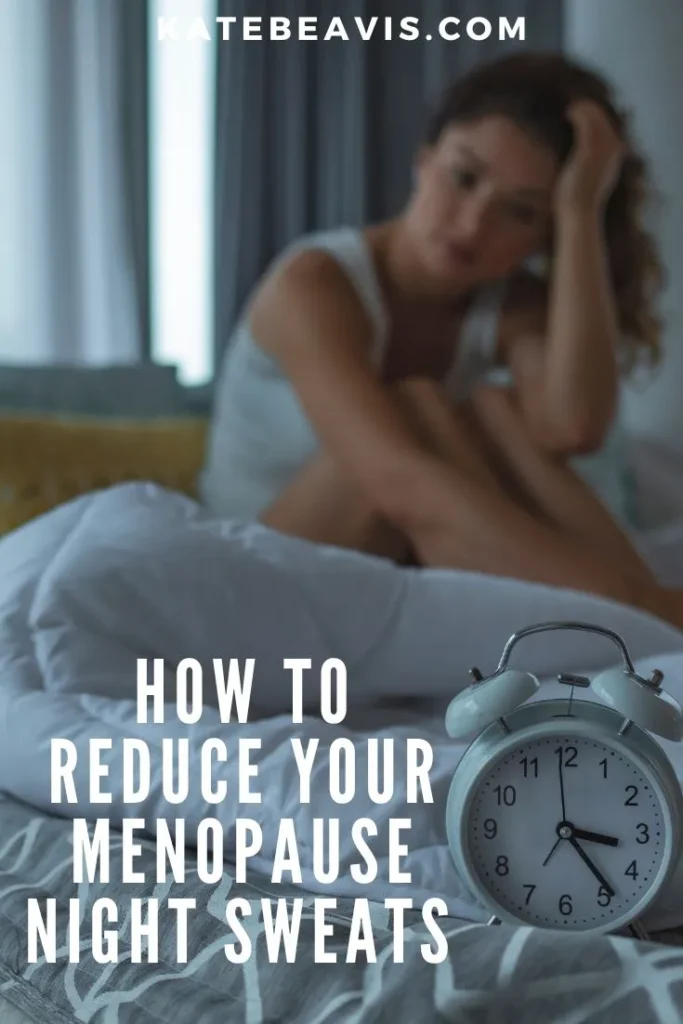
Menopause is a natural stage in a woman’s life that marks the end of her reproductive years. During this time, the body undergoes significant hormonal changes, leading to various symptoms such as hot flashes, mood swings, and night sweats. Night sweats, in particular, can be a frustrating and disruptive symptom that affects many women during menopause.
Night sweats are episodes of excessive sweating during sleep that can soak through clothing and bedding, leaving women feeling uncomfortable and restless. While the exact cause of night sweats in menopause is not fully understood, it is believed to be related to hormonal fluctuations that disrupt the body’s temperature regulation system. Fortunately, there are several strategies that women can use to find relief from night sweats and improve their quality of sleep during this challenging time.
In this article, we will discuss some tips for dealing with night sweats in menopause, as well as answer some frequently asked questions about this common menopausal symptom.
Tips for Dealing with Night Sweats in Menopause:
1. Dress in Layers: Wearing lightweight, breathable clothing made from natural fibers such as cotton can help regulate body temperature and prevent overheating during the night. Layering clothing allows women to easily adjust their clothing as needed to stay comfortable.
2. Use Cooling Bedding: Investing in cooling bedding such as moisture-wicking sheets and pillows can help absorb excess sweat and keep the body cool during the night. Additionally, using a cooling mattress pad or topper can provide added comfort and support.
3. Keep the Bedroom Cool: Maintaining a cool and well-ventilated bedroom environment can help reduce the likelihood of night sweats. Using a fan or air conditioning can help regulate room temperature and create a more comfortable sleeping environment.
4. Stay Hydrated: Drinking plenty of water throughout the day can help prevent dehydration and regulate body temperature. Avoiding caffeine and alcohol, which can trigger night sweats, can also help improve sleep quality.
5. Practice Relaxation Techniques: Managing stress and anxiety through relaxation techniques such as deep breathing, meditation, or yoga can help reduce the frequency and intensity of night sweats. Creating a bedtime routine that includes relaxation exercises can promote restful sleep.
6. Avoid Trigger Foods: Certain foods and beverages can trigger night sweats in some women. Spicy foods, caffeine, alcohol, and sugar are common culprits that can exacerbate menopausal symptoms. Avoiding these trigger foods can help reduce the occurrence of night sweats.
7. Consider Hormone Replacement Therapy: For women experiencing severe night sweats and other menopausal symptoms, hormone replacement therapy (HRT) may be an effective treatment option. HRT can help balance hormone levels and alleviate menopausal symptoms, including night sweats.
8. Consult with a Healthcare Provider: If night sweats are significantly impacting your quality of life and sleep, it is important to consult with a healthcare provider. Your doctor can help identify underlying causes of night sweats and recommend appropriate treatment options to address your symptoms.
FAQs about Night Sweats in Menopause:
Q: Are night sweats in menopause normal?
A: Yes, night sweats are a common symptom of menopause that affects many women. Hormonal fluctuations during menopause can disrupt the body’s temperature regulation system, leading to excessive sweating during sleep.
Q: How long do night sweats last during menopause?
A: Night sweats can vary in duration and intensity for each woman. Some women may experience night sweats for a few months, while others may have them for several years. In most cases, night sweats improve over time as hormone levels stabilize.
Q: Can diet and lifestyle changes help reduce night sweats in menopause?
A: Yes, making changes to your diet and lifestyle can help reduce the frequency and intensity of night sweats. Avoiding trigger foods such as caffeine and sugar, staying hydrated, and practicing relaxation techniques can all contribute to managing night sweats.
Q: When should I seek medical help for night sweats in menopause?
A: If night sweats are severe, persistent, or significantly impacting your quality of life, it is important to consult with a healthcare provider. Your doctor can help identify underlying causes of night sweats and recommend appropriate treatment options to address your symptoms.
Q: What are some natural remedies for night sweats in menopause?
A: Some women find relief from night sweats by using natural remedies such as herbal supplements, acupuncture, and aromatherapy. However, it is important to consult with a healthcare provider before trying any new treatment to ensure it is safe and effective.
In conclusion, night sweats are a common and frustrating symptom of menopause that can disrupt sleep and impact quality of life for many women. By implementing lifestyle changes, practicing relaxation techniques, and seeking medical advice when needed, women can find relief from night sweats and improve their overall well-being during this challenging time. Remember that every woman’s experience with menopause is unique, so it is important to listen to your body and consult with a healthcare provider for personalized guidance on managing night sweats in menopause.