
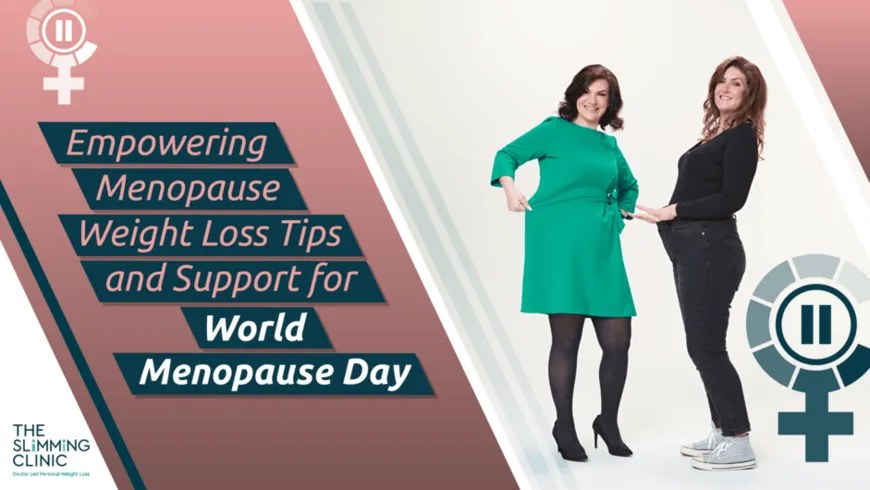
Empowering Women: How to Achieve Weight Loss Success After Menopause
Menopause is a natural stage in a woman’s life that typically occurs in her late 40s or early 50s. During this time, the body undergoes significant hormonal changes, which can lead to a variety of symptoms, including weight gain. Many women find it challenging to maintain a healthy weight after menopause, but with the right strategies and support, it is possible to achieve weight loss success and improve overall health and well-being.
In this article, we will explore the factors that contribute to weight gain during menopause, discuss the importance of maintaining a healthy weight, and provide practical tips for achieving weight loss success. We will also address common questions and concerns that women may have about weight loss after menopause.
Factors Contributing to Weight Gain During Menopause
There are several factors that can contribute to weight gain during menopause, including hormonal changes, decreased metabolism, and lifestyle factors. One of the primary hormonal changes that occurs during menopause is a decrease in estrogen levels. Estrogen plays a key role in regulating metabolism and fat distribution in the body, so a decline in estrogen can lead to changes in body composition and weight gain.
Additionally, as women age, their metabolism naturally slows down, which can make it more difficult to maintain a healthy weight. Other factors, such as a sedentary lifestyle, poor dietary habits, and stress, can also contribute to weight gain during menopause.
The Importance of Maintaining a Healthy Weight
Maintaining a healthy weight is important for overall health and well-being, especially during menopause. Excess weight can increase the risk of developing chronic health conditions such as heart disease, diabetes, and certain types of cancer. Additionally, carrying excess weight can put strain on the joints and lead to mobility issues and other physical limitations.
Achieving and maintaining a healthy weight can also improve mental health and self-esteem, as well as reduce the risk of developing depression and other mood disorders. Overall, maintaining a healthy weight is essential for promoting longevity and quality of life during and after menopause.
Practical Tips for Achieving Weight Loss Success After Menopause
Achieving weight loss success after menopause requires a combination of healthy eating habits, regular physical activity, and lifestyle changes. Here are some practical tips to help empower women to achieve their weight loss goals:
1. Eat a balanced diet: Focus on eating a variety of nutrient-dense foods, including fruits, vegetables, whole grains, lean proteins, and healthy fats. Limit the intake of processed foods, sugary drinks, and high-fat snacks.
2. Practice portion control: Pay attention to portion sizes and avoid overeating. Use smaller plates and bowls to help control portions and prevent overeating.
3. Stay hydrated: Drink plenty of water throughout the day to stay hydrated and support weight loss. Avoid sugary beverages and excessive alcohol consumption, as these can contribute to weight gain.
4. Get regular exercise: Aim for at least 150 minutes of moderate-intensity exercise per week, such as brisk walking, cycling, or swimming. Include strength training exercises to build muscle and boost metabolism.
5. Manage stress: Practice stress-reducing techniques such as meditation, deep breathing, yoga, or tai chi to help manage stress and prevent emotional eating.
6. Get enough sleep: Aim for 7-9 hours of quality sleep per night to support weight loss and overall health. Poor sleep can disrupt hormone levels and metabolism, making it harder to lose weight.
7. Seek support: Enlist the help of a healthcare provider, nutritionist, personal trainer, or support group to help you stay motivated and accountable on your weight loss journey.
Frequently Asked Questions About Weight Loss After Menopause
Q: Is it harder to lose weight after menopause?
A: Yes, many women find it more challenging to lose weight after menopause due to hormonal changes, decreased metabolism, and lifestyle factors. However, with the right strategies and support, it is possible to achieve weight loss success.
Q: What are the best types of exercise for weight loss after menopause?
A: The best types of exercise for weight loss after menopause include a combination of cardiovascular exercises, such as walking, cycling, or swimming, and strength training exercises to build muscle and boost metabolism.
Q: Are there any supplements that can help with weight loss after menopause?
A: Some women may benefit from taking certain supplements, such as calcium, vitamin D, and omega-3 fatty acids, to support weight loss and overall health after menopause. However, it is important to consult with a healthcare provider before taking any supplements.
Q: How long does it take to see results from weight loss efforts after menopause?
A: The timeline for seeing results from weight loss efforts after menopause can vary depending on individual factors such as age, metabolism, and lifestyle habits. In general, it can take several weeks to months to see significant changes in weight and body composition.
Q: What are some common pitfalls to avoid when trying to lose weight after menopause?
A: Some common pitfalls to avoid when trying to lose weight after menopause include crash dieting, skipping meals, relying on fad diets or supplements, and not getting enough exercise or sleep. It is important to focus on making sustainable lifestyle changes for long-term success.
In conclusion, achieving weight loss success after menopause requires dedication, perseverance, and a commitment to making healthy choices. By following the practical tips outlined in this article and seeking support from healthcare providers and other professionals, women can empower themselves to achieve their weight loss goals and improve their overall health and well-being during this stage of life. Remember that weight loss is a journey, not a destination, and every step towards a healthier lifestyle is a step towards a happier and more empowered you.