
Keto Warning Signs: How to Know If It’s Time to Switch Things Up
The ketogenic diet, or keto diet, has gained immense popularity in recent years for its potential to promote weight loss and improve overall health. The diet involves drastically reducing carbohydrate intake and replacing it with healthy fats, leading the body to enter a state of ketosis where it burns fat for energy instead of carbohydrates. While many people have seen success with the keto diet, it is not without its potential pitfalls. In this article, we will discuss warning signs that indicate it may be time to switch up your keto routine, as well as provide tips on how to do so effectively.
1. Feeling Fatigued or Lightheaded
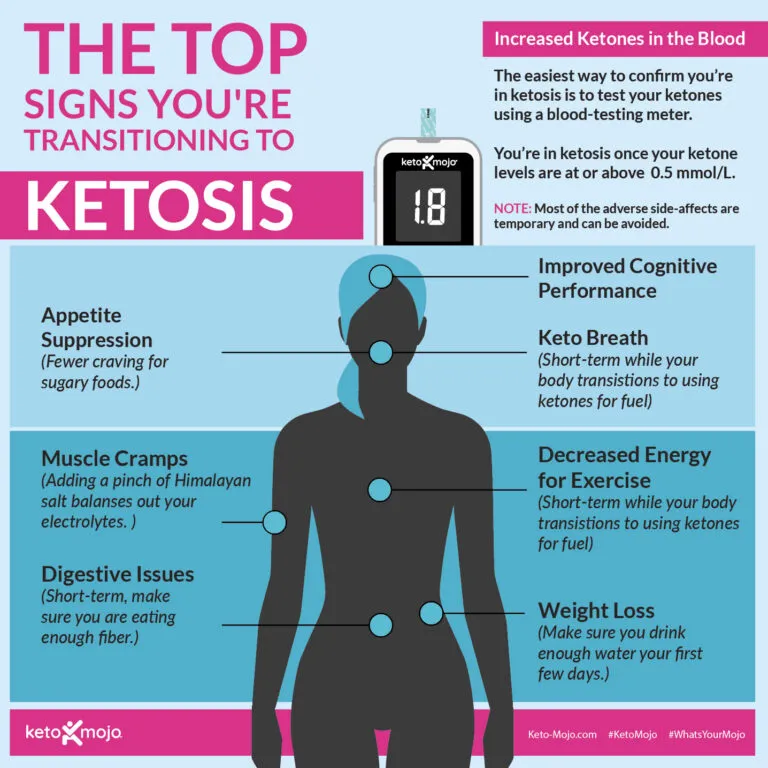
One common warning sign that you may need to switch up your keto diet is feeling fatigued or lightheaded. When you first start the keto diet, your body may go through an adjustment period as it transitions from burning carbohydrates to burning fat for fuel. During this time, it is not uncommon to experience feelings of fatigue or lightheadedness as your body adapts to its new energy source. However, if these symptoms persist or worsen over time, it may be a sign that your body is not getting the nutrients it needs on the keto diet.
To combat fatigue and lightheadedness on the keto diet, consider incorporating more nutrient-dense foods into your meals, such as leafy greens, nuts, seeds, and low-carb vegetables. Additionally, make sure you are staying hydrated and getting enough electrolytes, as dehydration and electrolyte imbalances can contribute to feelings of fatigue and lightheadedness.
2. Difficulty Losing Weight
Another warning sign that it may be time to switch up your keto diet is difficulty losing weight. While many people experience rapid weight loss on the keto diet, some may find that their weight loss stalls or plateaus after a certain point. This could be due to a variety of factors, such as eating too many calories, not getting enough exercise, or not properly tracking your macronutrient intake.
If you are having trouble losing weight on the keto diet, consider reassessing your portion sizes, tracking your food intake more closely, and increasing your physical activity. You may also want to experiment with different types of keto-friendly foods to see what works best for your body. Additionally, be patient with yourself and remember that weight loss is not always linear – it may take time for your body to adjust to a new way of eating.
3. Digestive Issues
Digestive issues, such as constipation, bloating, or diarrhea, can be another warning sign that your keto diet may not be working for you. The keto diet is high in fat and low in fiber, which can sometimes lead to digestive problems if not managed properly. If you are experiencing digestive issues on the keto diet, consider incorporating more fiber-rich foods, such as chia seeds, flaxseeds, and avocados, into your meals. You may also want to try taking a probiotic supplement to support your gut health.
4. Muscle Cramps
Muscle cramps can be a common side effect of the keto diet, especially in the initial stages as your body adjusts to using fat for fuel. Muscle cramps are often caused by electrolyte imbalances, specifically low levels of magnesium, potassium, and sodium. To prevent muscle cramps on the keto diet, make sure you are getting enough of these essential electrolytes through your diet or supplements. Foods high in magnesium include nuts, seeds, leafy greens, and fish, while potassium-rich foods include avocados, spinach, and mushrooms.
5. Mood Swings or Irritability
Changes in mood, such as mood swings or irritability, can also be warning signs that your keto diet may not be working for you. The keto diet can affect your brain chemistry and hormone levels, which can sometimes lead to changes in mood or behavior. If you are experiencing mood swings or irritability on the keto diet, consider talking to a healthcare professional or nutritionist for guidance on how to best support your mental health while following a low-carb diet.
FAQs
Q: Can I still lose weight on the keto diet if I have a slow metabolism?
A: Yes, it is possible to lose weight on the keto diet even if you have a slow metabolism. The key to successful weight loss on the keto diet is to create a calorie deficit by consuming fewer calories than your body needs to maintain its current weight. This can be achieved by tracking your food intake, eating nutrient-dense foods, and engaging in regular physical activity. Additionally, some people find that the high-fat, low-carb nature of the keto diet can help boost their metabolism and promote weight loss.
Q: Is it safe to follow the keto diet long-term?
A: While the keto diet can be safe and effective for many people in the short term, it may not be suitable for long-term use for everyone. Some potential risks of following the keto diet long-term include nutrient deficiencies, kidney stones, and an increased risk of heart disease. If you are considering following the keto diet long-term, it is important to consult with a healthcare professional or nutritionist to ensure that you are getting all the nutrients your body needs to stay healthy.
Q: Can I still exercise on the keto diet?
A: Yes, you can still exercise on the keto diet. In fact, many people find that they have increased energy and improved performance during workouts while following a low-carb, high-fat diet. However, it is important to listen to your body and adjust your exercise routine as needed to accommodate the changes in your energy levels and fuel sources. Some people may find that they need to consume more carbohydrates before or after workouts to support their physical activity levels.
Q: How can I prevent keto flu symptoms?
A: Keto flu symptoms, such as fatigue, headaches, and muscle cramps, can often be prevented by staying hydrated, getting enough electrolytes, and gradually transitioning to the keto diet instead of making sudden drastic changes. To prevent keto flu symptoms, make sure you are drinking plenty of water, consuming electrolyte-rich foods, and gradually reducing your carbohydrate intake over a period of a few weeks. Additionally, getting enough rest and managing stress can also help prevent or reduce keto flu symptoms.
In conclusion, the keto diet can be a powerful tool for weight loss and improved health, but it is not without its potential pitfalls. If you are experiencing warning signs such as fatigue, difficulty losing weight, digestive issues, muscle cramps, or mood swings while following the keto diet, it may be time to switch things up. By listening to your body, making adjustments to your diet and lifestyle, and seeking guidance from healthcare professionals when needed, you can ensure that the keto diet is working for you in a safe and sustainable way.