
The Hormone-Healthy Benefits of a Plant-Based Diet
In recent years, there has been a growing interest in the health benefits of a plant-based diet. Many people are turning to plant-based eating as a way to improve their overall health and well-being. One area where a plant-based diet can have a significant impact is on hormone health. Hormones play a crucial role in the body, regulating everything from metabolism and energy levels to mood and reproductive health. Eating a diet rich in plant-based foods can help support healthy hormone levels and promote overall hormonal balance. In this article, we will explore the hormone-healthy benefits of a plant-based diet and answer some common questions about this eating approach.
What is a Plant-Based Diet?
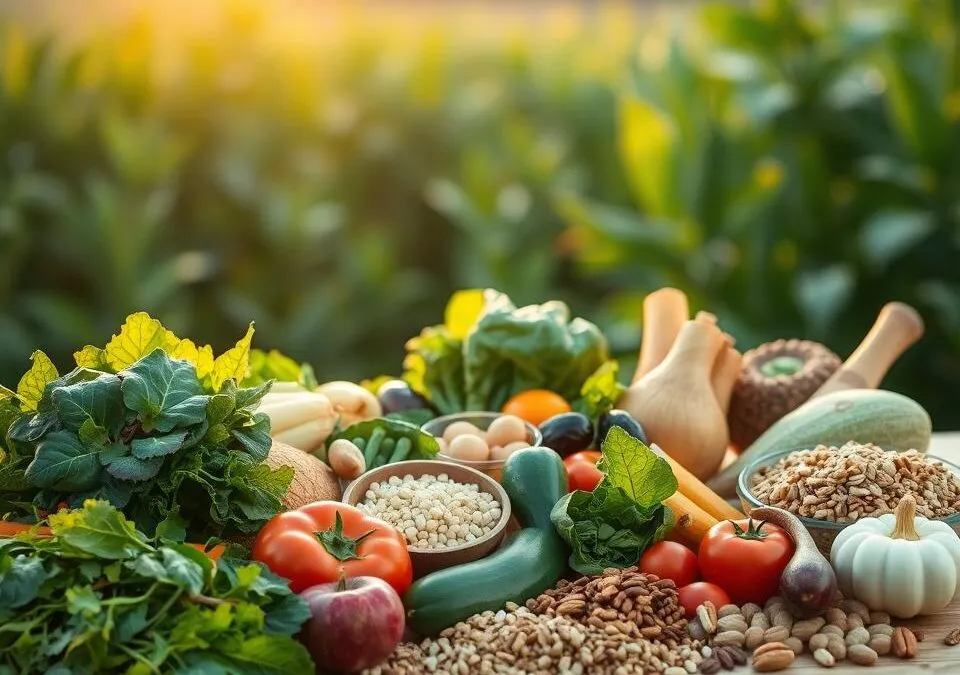
A plant-based diet is a way of eating that focuses on whole, minimally processed plant foods. This includes fruits, vegetables, whole grains, beans, legumes, nuts, and seeds. Plant-based diets can vary in their strictness, with some people following a completely vegan diet that excludes all animal products, while others include small amounts of animal products like dairy, eggs, and fish. The key principle of a plant-based diet is to prioritize plant foods as the main source of nutrition and to limit or avoid processed and refined foods.
How Does a Plant-Based Diet Impact Hormone Health?
A plant-based diet can have a number of beneficial effects on hormone health. Here are some of the ways in which a plant-based diet can support healthy hormone levels:
1. Balances Blood Sugar Levels: Plant-based diets are high in fiber, which helps to slow the absorption of sugar into the bloodstream. This can help prevent spikes and crashes in blood sugar levels, which can disrupt hormone balance and lead to issues like insulin resistance and diabetes.
2. Supports Weight Management: Eating a plant-based diet can help with weight management, which is important for hormone health. Excess body fat, especially around the abdomen, can lead to imbalances in hormones like insulin and leptin, which regulate appetite and metabolism. By maintaining a healthy weight, you can support optimal hormone function.
3. Reduces Inflammation: Plant-based diets are rich in anti-inflammatory compounds like antioxidants and phytonutrients. Chronic inflammation in the body can disrupt hormone balance and contribute to conditions like PCOS, endometriosis, and thyroid disorders. By reducing inflammation through a plant-based diet, you can support healthy hormone levels.
4. Supports Gut Health: The health of your gut microbiome plays a crucial role in hormone balance. Plant-based diets are high in fiber, which feeds beneficial gut bacteria and promotes a healthy gut microbiome. This can help support the production and metabolism of hormones like estrogen and serotonin.
5. Provides Essential Nutrients: Plant-based diets are rich in vitamins, minerals, and phytonutrients that are essential for hormone production and metabolism. Nutrients like vitamin D, B vitamins, magnesium, and zinc play key roles in hormone health. By eating a variety of plant foods, you can ensure that you are getting all the nutrients you need to support healthy hormone levels.
FAQs about Plant-Based Diets and Hormone Health
1. Will I get enough protein on a plant-based diet?
Yes, you can easily meet your protein needs on a plant-based diet by including a variety of protein-rich plant foods like beans, lentils, tofu, tempeh, nuts, seeds, and whole grains.
2. Can a plant-based diet help with hormone-related conditions like PCOS or thyroid disorders?
Yes, a plant-based diet can be beneficial for managing hormone-related conditions like PCOS and thyroid disorders. By reducing inflammation, supporting gut health, and providing essential nutrients, a plant-based diet can help support hormone balance and improve symptoms of these conditions.
3. Will I have to give up all animal products to follow a plant-based diet?
Not necessarily. Some people choose to follow a completely vegan diet that excludes all animal products, while others include small amounts of animal products like dairy, eggs, and fish. You can customize a plant-based diet to suit your preferences and dietary needs.
4. Are there any potential risks or drawbacks to a plant-based diet for hormone health?
While a plant-based diet can be beneficial for hormone health, it’s important to ensure that you are getting all the nutrients you need. Some plant-based foods may be low in certain nutrients like vitamin B12, iron, and omega-3 fatty acids, so it’s important to include fortified foods or supplements as needed.
In conclusion, a plant-based diet can have a number of hormone-healthy benefits, including balancing blood sugar levels, supporting weight management, reducing inflammation, supporting gut health, and providing essential nutrients. By prioritizing whole, minimally processed plant foods in your diet, you can support optimal hormone function and promote overall hormonal balance. If you have any specific questions or concerns about following a plant-based diet for hormone health, it’s always a good idea to consult with a healthcare provider or registered dietitian for personalized guidance and support.