
Menopause is a natural biological process that marks the end of a woman’s reproductive years. It typically occurs between the ages of 45 and 55, with the average age of onset being around 51. During menopause, a woman’s body undergoes significant hormonal changes, particularly in the levels of estrogen and progesterone. These changes can lead to a wide range of symptoms, including hot flashes, night sweats, vaginal dryness, and mood swings.
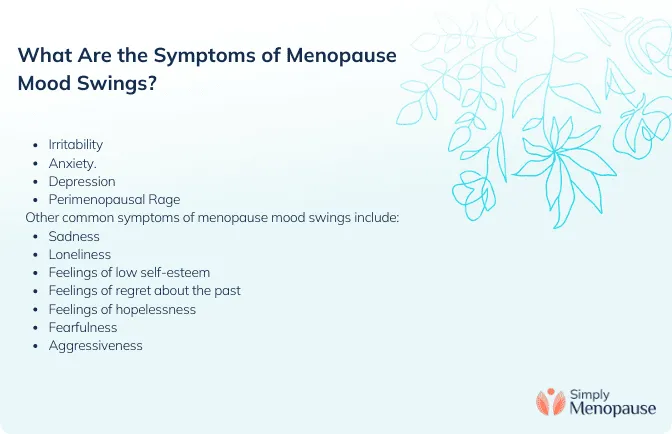
Mood swings are a common symptom of menopause, affecting up to 70% of women going through this transition. These mood swings can manifest as irritability, anxiety, depression, and even anger. They can be disruptive to daily life and relationships, making it important to find ways to manage and alleviate them.
In this article, we will explore the relationship between menopause and mood swings, as well as natural ways to find relief and support during this challenging time. We will also address common questions and concerns about menopause and mood swings in the FAQs section at the end.
Understanding Menopause and Mood Swings
Menopause is a natural stage in a woman’s life that typically occurs when she stops menstruating for 12 consecutive months. This marks the end of her reproductive years, as her ovaries cease to produce eggs and her hormone levels decline. The most significant change in hormone levels during menopause is the decrease in estrogen, which can have a profound impact on mood and emotional well-being.
Estrogen plays a key role in regulating neurotransmitters in the brain, such as serotonin and dopamine, which are responsible for mood regulation. When estrogen levels drop during menopause, these neurotransmitters can become imbalanced, leading to mood swings and emotional instability. Additionally, the physical symptoms of menopause, such as hot flashes and sleep disturbances, can also contribute to mood swings and irritability.
It is important to note that not all women will experience mood swings during menopause, and the severity and duration of symptoms can vary from woman to woman. Factors such as genetics, lifestyle, and overall health can influence the extent to which a woman experiences mood swings during this time.
Natural Support for Menopause Mood Swings
While hormone replacement therapy (HRT) is a common treatment for menopausal symptoms, including mood swings, many women are seeking alternative and natural ways to manage their symptoms. There are several natural approaches that can help alleviate mood swings and support emotional well-being during menopause:
1. Regular exercise: Physical activity has been shown to improve mood and reduce symptoms of anxiety and depression. Regular exercise can also help alleviate stress, improve sleep, and boost overall well-being. Aim for at least 30 minutes of moderate-intensity exercise most days of the week, such as walking, cycling, or yoga.
2. Healthy diet: Eating a balanced diet rich in fruits, vegetables, whole grains, lean proteins, and healthy fats can help support mood and overall health during menopause. Avoiding sugary and processed foods, caffeine, and alcohol can also help stabilize mood and energy levels.
3. Stress management: Chronic stress can exacerbate mood swings and other menopausal symptoms. Practicing relaxation techniques such as deep breathing, meditation, yoga, or tai chi can help reduce stress and promote emotional well-being. Prioritizing self-care activities, such as getting enough sleep, spending time with loved ones, and engaging in hobbies, can also help manage stress and improve mood.
4. Herbal supplements: Some herbal supplements, such as black cohosh, red clover, and dong quai, have been traditionally used to alleviate menopausal symptoms, including mood swings. However, it is important to consult with a healthcare provider before taking any herbal supplements, as they can interact with medications or have side effects.
5. Acupuncture: Acupuncture is a traditional Chinese medicine practice that involves inserting thin needles into specific points on the body to promote healing and balance. Some studies suggest that acupuncture can help alleviate menopausal symptoms, including mood swings, by regulating hormone levels and improving energy flow.
6. Bio-identical hormones: Bio-identical hormones are hormones that are chemically identical to the hormones produced by the body. They are often used as an alternative to traditional HRT for managing menopausal symptoms, including mood swings. Bio-identical hormones can be prescribed by a healthcare provider and tailored to each woman’s individual needs.
7. Cognitive-behavioral therapy (CBT): CBT is a type of therapy that focuses on changing negative thought patterns and behaviors to improve mood and emotional well-being. CBT can help women going through menopause identify and challenge negative beliefs and learn coping strategies to manage mood swings and other symptoms.
FAQs About Menopause and Mood Swings
1. What causes mood swings during menopause?
Mood swings during menopause are primarily caused by hormonal changes, particularly the decrease in estrogen levels. Estrogen plays a key role in regulating neurotransmitters in the brain, such as serotonin and dopamine, which are responsible for mood regulation. When estrogen levels decline during menopause, these neurotransmitters can become imbalanced, leading to mood swings and emotional instability.
2. How long do mood swings last during menopause?
The duration and severity of mood swings during menopause can vary from woman to woman. Some women may experience mild and occasional mood swings, while others may have more severe and persistent symptoms. In general, mood swings during menopause can last for a few months to several years, depending on individual factors such as genetics, lifestyle, and overall health.
3. Can diet and lifestyle changes help alleviate mood swings during menopause?
Yes, diet and lifestyle changes can help alleviate mood swings and support emotional well-being during menopause. Eating a balanced diet rich in fruits, vegetables, whole grains, lean proteins, and healthy fats can help stabilize mood and energy levels. Regular exercise, stress management techniques, and self-care activities can also help manage stress and improve overall well-being during this time.
4. Are there any natural supplements that can help with mood swings during menopause?
Some herbal supplements, such as black cohosh, red clover, and dong quai, have been traditionally used to alleviate menopausal symptoms, including mood swings. However, it is important to consult with a healthcare provider before taking any herbal supplements, as they can interact with medications or have side effects. Bio-identical hormones are another natural option that may help alleviate mood swings during menopause.
5. When should I seek professional help for mood swings during menopause?
If mood swings during menopause are severe, persistent, or significantly affecting your daily life and relationships, it may be helpful to seek professional help. A healthcare provider, such as a gynecologist, primary care physician, or mental health professional, can assess your symptoms, provide a diagnosis, and recommend appropriate treatment options. Therapy, medication, or other interventions may be necessary to help manage mood swings and improve emotional well-being during this challenging time.
Conclusion
Menopause is a natural biological process that marks the end of a woman’s reproductive years. Mood swings are a common symptom of menopause, affecting up to 70% of women going through this transition. These mood swings can manifest as irritability, anxiety, depression, and even anger, making it important to find ways to manage and alleviate them.
Natural approaches to managing mood swings during menopause include regular exercise, a healthy diet, stress management techniques, herbal supplements, acupuncture, bio-identical hormones, and cognitive-behavioral therapy. These strategies can help stabilize mood, reduce stress, and promote emotional well-being during this challenging time.
If mood swings during menopause are severe, persistent, or significantly affecting your daily life and relationships, it may be helpful to seek professional help. A healthcare provider can assess your symptoms, provide a diagnosis, and recommend appropriate treatment options to help manage mood swings and improve emotional well-being.
By taking a holistic approach to menopause and mood swings, women can find relief and support through natural means and navigate this transitional period with greater ease and comfort. With the right strategies and resources, women can empower themselves to embrace menopause as a natural and transformative journey towards greater health and well-being.