Creatine for Women Over 40: Muscle, Brain & What the Research Says
Disclosure: As an Amazon Associate we earn from qualifying purchases made through links in this article, at no extra cost to you. Learn more
Creatine used to be a bodybuilder thing. In 2026 it’s one of the fastest-growing supplements among women, especially women in their 40s, 50s and beyond, thanks to research on muscle, aging and even memory. Here’s what the science actually supports, what it doesn’t, and how to take it safely.
Why everyone is suddenly talking about creatine
After about age 40, women gradually lose muscle and strength, and the drop speeds up around menopause as estrogen falls. Less muscle means a slower metabolism, weaker balance and a harder time staying active. Creatine is one of the most studied supplements in the world, and researchers have increasingly looked at how it can help women hold on to muscle and stay sharp as they age.
What is creatine?
Creatine is a natural compound made in your body and found in meat and fish. It helps your muscles (and brain) quickly recycle energy during short bursts of effort. Supplementing tops up your stores, which can let you do a little more work in each training session. Over weeks and months, that adds up.
Benefit 1: muscle and strength (with strength training)
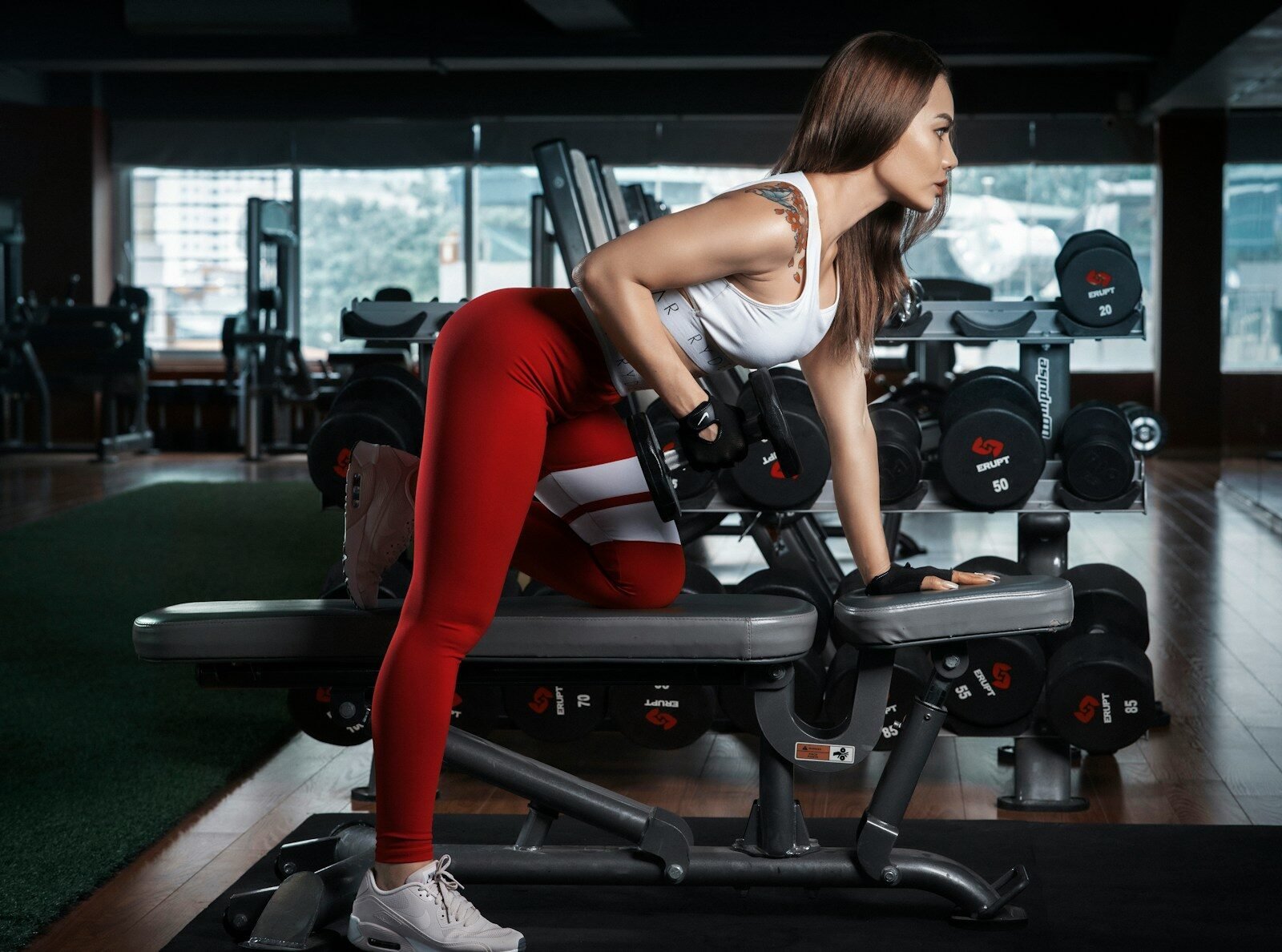
This is where the evidence is strongest. Studies in older and postmenopausal women show that creatine, combined with resistance training, leads to small but real gains in lean muscle and leg strength compared with training alone. On its own, without exercise, creatine does very little.
Key takeaway: think of creatine as a training booster, not a replacement for lifting. Two or three strength sessions a week (see our strength training guide for over 40) plus enough protein (protein for women over 40) is the foundation.
Benefit 2: brain and memory (promising, still early)
Your brain uses creatine too. A 2023 review and meta-analysis of randomized trials found creatine improved memory, with the clearest effects in older adults. Small studies in women around menopause have also shown improvements in reaction time and mood measures. These results are encouraging, but the studies are small and short, so treat brain benefits as a possible bonus rather than a reason on its own.
What creatine probably won’t do: bones
Early research hinted creatine might help bones, but a two-year randomized trial in 237 postmenopausal women found it did not improve bone density at the hip or spine. Don’t take creatine as an osteoporosis treatment. Strength training, calcium, vitamin D and your doctor’s advice remain the bone-health basics.
How to take creatine
- Type: creatine monohydrate. It’s the most studied and usually the cheapest. Fancy forms haven’t been shown to work better.
- Dose: 3–5 grams a day. You don’t need a “loading phase.”
- Timing: any time of day, with a meal or in a smoothie. Consistency matters more than timing.
- Water: drink normally; creatine pulls a little water into muscles.
- Expect: a 1–2 lb gain on the scale from water in muscle in the first weeks. That’s not fat.
Is creatine safe?
Creatine monohydrate is one of the most thoroughly researched supplements, and long-term studies in healthy adults at normal doses haven’t shown harm. The International Society of Sports Nutrition considers it safe for healthy people. Still:
- Talk to your doctor first if you have kidney disease, diabetes, or take diuretics or other medicines that affect the kidneys.
- Avoid it if pregnant or breastfeeding unless your doctor says otherwise.
- Choose a product with third-party testing (look for NSF Certified for Sport or Informed Choice), since supplements aren’t checked by the FDA before sale.
- Creatine can raise creatinine on blood tests; tell your doctor you take it so results aren’t misread.
Common myths
- “It’ll make me bulky.” No. Women gain small amounts of lean muscle, which looks toned, not bulky.
- “It causes hair loss.” This comes from one small 2009 study in young men that has never been confirmed.
- “It damages healthy kidneys.” Studies in healthy people at normal doses don’t support this.
What we’d buy
- Unflavored creatine monohydrate powder (third-party tested) that mixes into coffee, smoothies or water
- A simple shaker bottle if you take it with water
- Resistance bands or light adjustable dumbbells to start strength training at home
Amazon links go to search results so you can compare current options; product photos aren’t shown. These statements have not been evaluated by the Food and Drug Administration. Supplements are not intended to diagnose, treat, cure or prevent any disease.
Related reading
- Strength training for beginners over 40
- How much protein women over 40 need
- How to keep your brain sharp
- Menopause weight gain: what helps
Sources
- Smith-Ryan AE, et al. Creatine supplementation in women’s health: a lifespan perspective. Nutrients. 2021
- Smith-Ryan AE, et al. Creatine in women’s health: bridging the gap from menstruation through pregnancy to menopause. 2025
- Chilibeck PD, et al. Creatine supplementation and resistance training in postmenopausal women: two-year bone outcomes
- Prokopidis K, et al. Effects of creatine supplementation on memory in healthy individuals: a systematic review and meta-analysis. Nutr Rev. 2023
- Kreider RB, et al. ISSN position stand: safety and efficacy of creatine supplementation. J Int Soc Sports Nutr. 2017
This article is for general information only and isn’t medical advice. Talk to your healthcare provider before starting a supplement. See our medical disclaimer.