Are You Experiencing Early Menopause? Here’s What to Look Out For
Menopause is a natural part of a woman’s life cycle, typically occurring in her late 40s or early 50s. However, some women may experience menopause earlier than expected, a condition known as early menopause. Early menopause can have various causes and symptoms, and it is important to be aware of these in order to seek proper medical advice and treatment. In this article, we will discuss what early menopause is, its causes, symptoms, and how to manage it.
What is Early Menopause?
Menopause is defined as the cessation of a woman’s menstrual cycles for 12 consecutive months. Early menopause, also known as premature menopause, occurs when a woman’s periods stop before the age of 40. This can be a result of natural causes, such as genetics or autoimmune disorders, or it can be induced by medical treatments like chemotherapy or surgery.
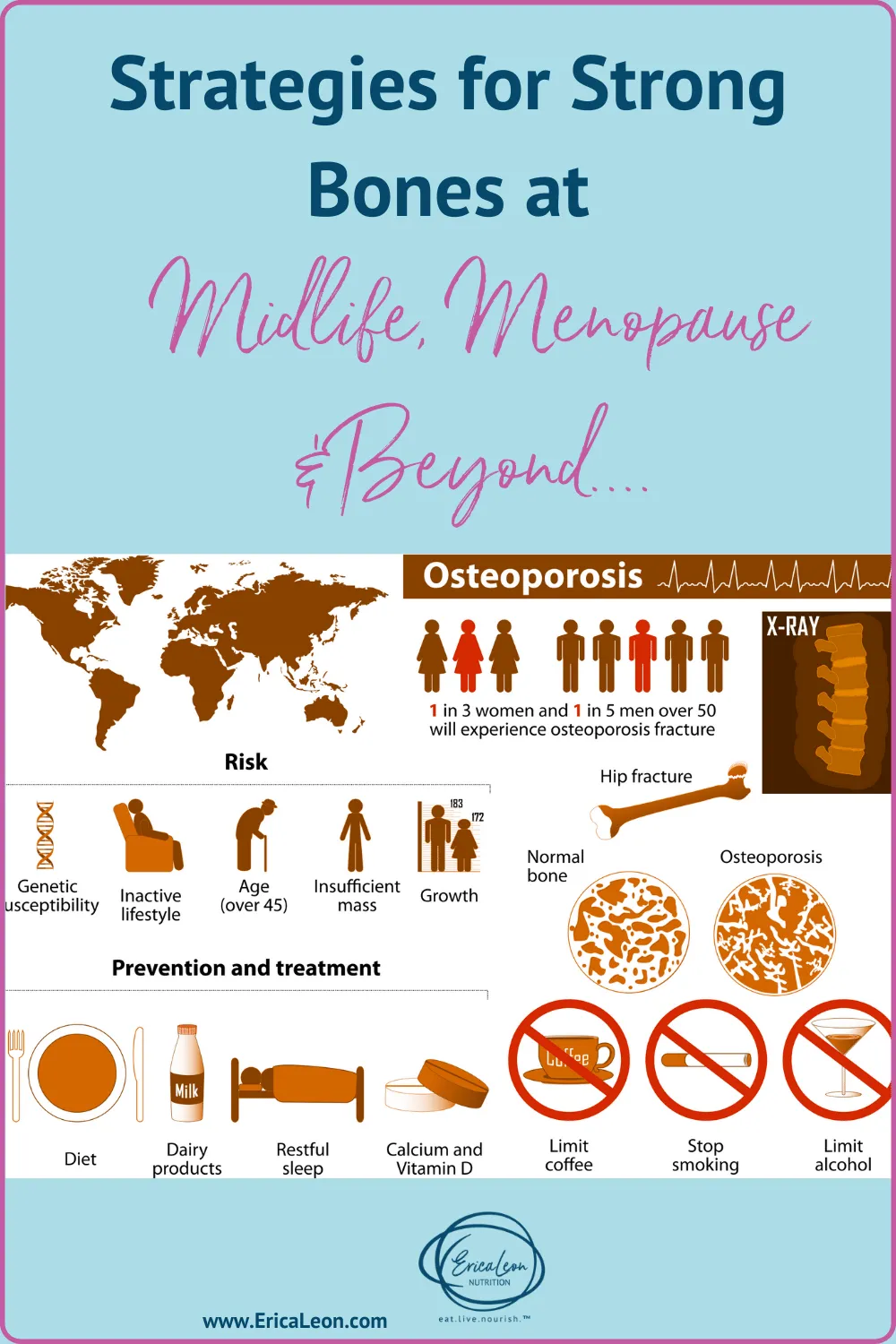
Early menopause can have significant implications for a woman’s health and well-being, as it can lead to hormonal imbalances and an increased risk of certain health conditions, such as osteoporosis and heart disease. It can also affect a woman’s fertility, making it harder to conceive.
Causes of Early Menopause
There are several factors that can contribute to early menopause, including:
1. Genetics: A family history of early menopause can increase a woman’s risk of experiencing it herself.
2. Autoimmune disorders: Conditions like autoimmune thyroid disease or rheumatoid arthritis can lead to early menopause.
3. Medical treatments: Chemotherapy, radiation therapy, or surgeries that affect the reproductive organs can induce early menopause.
4. Lifestyle factors: Smoking, excessive alcohol consumption, and a poor diet can also contribute to early menopause.
5. Other medical conditions: Certain medical conditions, such as ovarian insufficiency or Turner syndrome, can cause early menopause.
Symptoms of Early Menopause
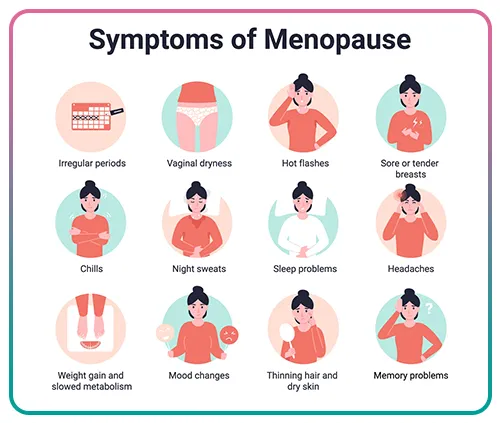
The symptoms of early menopause are similar to those of natural menopause, but they may occur at a younger age and be more severe. Common symptoms include:
1. Irregular periods or no periods at all
2. Hot flashes and night sweats
3. Mood swings and irritability
5. Sleep disturbances
6. Loss of libido
7. Fatigue
8. Memory problems
9. Joint pain
10. Hair loss or thinning
It is important to note that not all women will experience all of these symptoms, and the severity of symptoms can vary from person to person.
Managing Early Menopause
If you suspect that you may be experiencing early menopause, it is important to consult with a healthcare provider for a proper diagnosis and treatment plan. Your doctor may recommend hormone replacement therapy (HRT) to help manage your symptoms and reduce your risk of certain health conditions associated with early menopause.
In addition to medical treatment, there are also lifestyle changes that can help alleviate the symptoms of early menopause. These include:
1. Eating a healthy diet rich in fruits, vegetables, whole grains, and lean proteins
2. Exercising regularly to maintain a healthy weight and reduce stress
3. Avoiding smoking and excessive alcohol consumption
4. Getting enough sleep and practicing relaxation techniques, such as yoga or meditation
5. Taking calcium and vitamin D supplements to support bone health
It is also important to stay connected with your healthcare provider and attend regular check-ups to monitor your symptoms and adjust your treatment plan as needed.
FAQs
Q: Can early menopause be reversed?
A: Early menopause cannot be reversed, but its symptoms can be managed with hormone replacement therapy and lifestyle changes.
Q: Is early menopause associated with infertility?
A: Early menopause can affect a woman’s fertility, making it harder to conceive. However, some women may still be able to conceive naturally or through assisted reproductive technologies.
Q: Can early menopause increase the risk of certain health conditions?
A: Yes, early menopause is associated with an increased risk of osteoporosis, heart disease, and other health conditions. It is important to work with your healthcare provider to manage these risks.
Q: Are there any natural remedies for early menopause?
A: Some women find relief from the symptoms of early menopause through natural remedies, such as herbal supplements, acupuncture, or dietary changes. However, it is important to consult with a healthcare provider before trying any alternative treatments.
In conclusion, early menopause can have a significant impact on a woman’s health and well-being, but with proper diagnosis and treatment, its symptoms can be managed effectively. If you suspect that you may be experiencing early menopause, it is important to consult with a healthcare provider for guidance and support. By staying informed and proactive about your health, you can navigate the challenges of early menopause with confidence and resilience.