Introduction
The ketogenic diet has gained popularity in recent years as a way to lose weight and improve overall health. One aspect of the ketogenic diet that is often misunderstood is the role of protein. Many people believe that consuming too much protein on a ketogenic diet can kick them out of ketosis, but this is just one of the many myths surrounding keto protein.
In this article, we will debunk common misconceptions about keto protein and provide you with the information you need to make informed decisions about your diet. We will also address frequently asked questions about keto protein to help clear up any confusion.
Myth #1: Consuming too much protein will kick you out of ketosis
One of the most common misconceptions about keto protein is that consuming too much protein will kick you out of ketosis. Ketosis is a metabolic state in which your body burns fat for fuel instead of carbohydrates. Many people believe that consuming too much protein can cause the body to convert protein into glucose, which will then be used for energy instead of fat.
While it is true that excess protein can be converted into glucose through a process called gluconeogenesis, this does not necessarily mean that consuming too much protein will kick you out of ketosis. The key to staying in ketosis is to keep your carbohydrate intake low, not necessarily your protein intake. Protein is an essential nutrient that should be included in a healthy diet, even on a ketogenic diet.
Myth #2: You need to eat large amounts of protein on a ketogenic diet
Another common misconception about keto protein is that you need to eat large amounts of protein in order to be successful on a ketogenic diet. While protein is an important macronutrient that plays a crucial role in muscle growth and repair, it is not necessary to consume excessive amounts of protein on a ketogenic diet.
The recommended daily intake of protein for the average adult is around 0.8 grams per kilogram of body weight. Some people may need slightly more protein, especially if they are very active or trying to build muscle, but eating too much protein can actually be harmful to your health. Excessive protein intake can put strain on the kidneys and liver, and can also lead to weight gain if the excess protein is converted into glucose and stored as fat.
Myth #3: All protein sources are created equal on a ketogenic diet
Another misconception about keto protein is that all protein sources are created equal on a ketogenic diet. While it is true that most animal-based proteins are low in carbohydrates and can be included in a ketogenic diet, not all protein sources are created equal when it comes to their impact on ketosis.
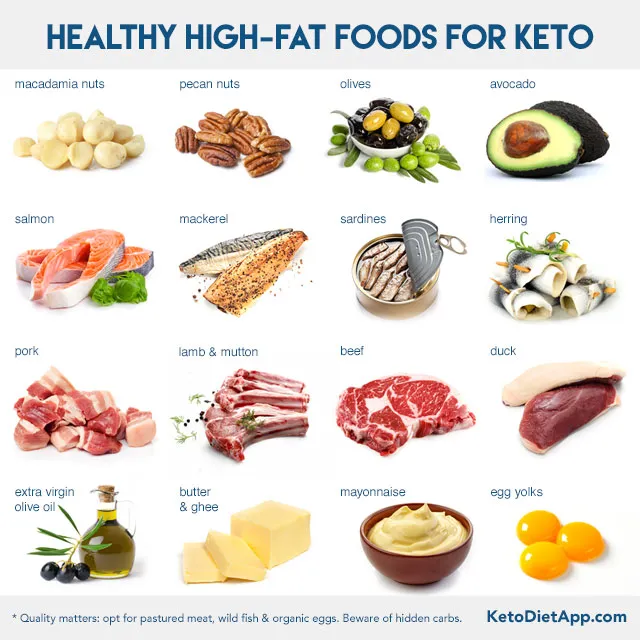
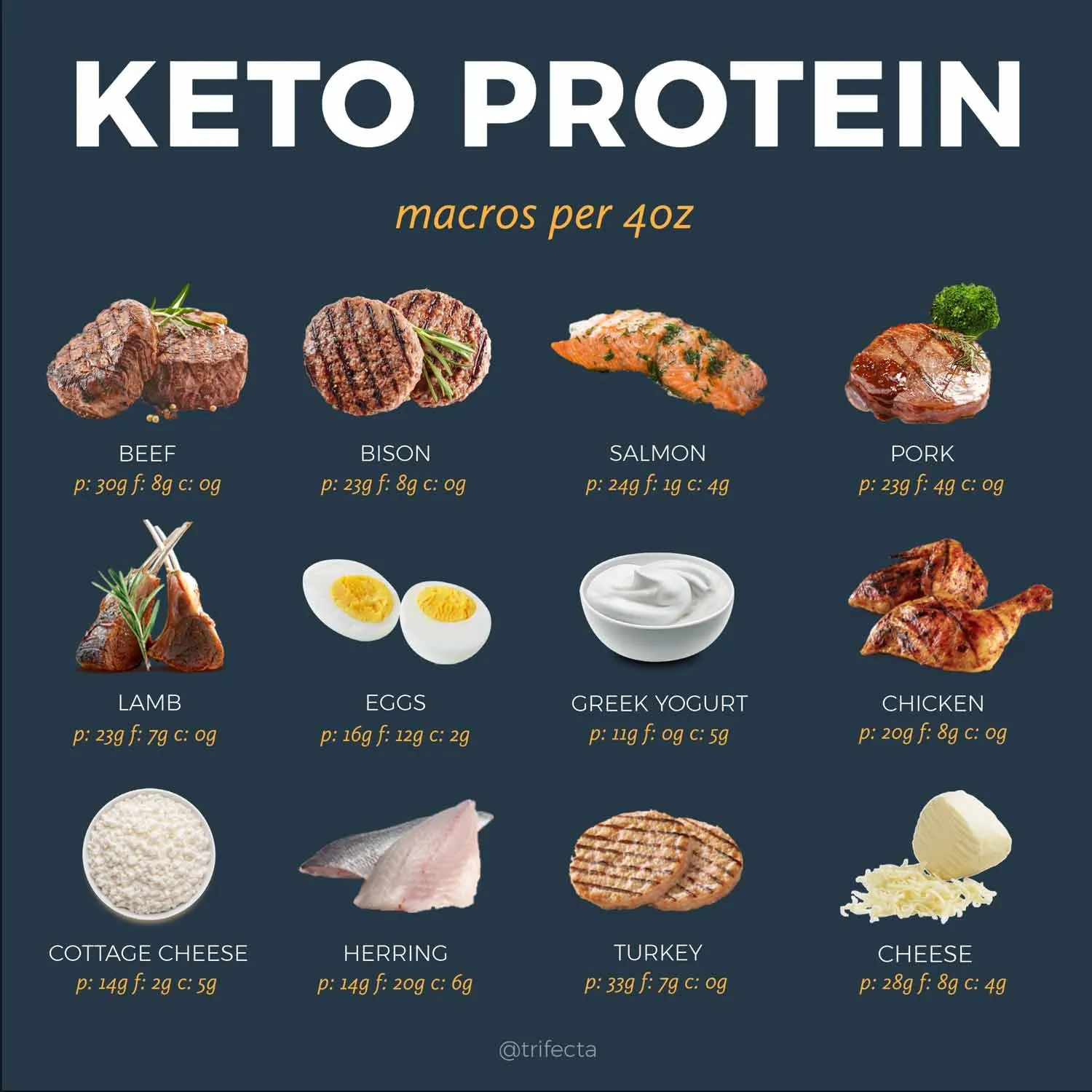
Some plant-based proteins, such as beans, lentils, and grains, are higher in carbohydrates and may not be suitable for a ketogenic diet. It is important to choose protein sources that are low in carbohydrates and high in quality, such as lean meats, poultry, fish, eggs, and dairy products. These protein sources will help you stay in ketosis while also providing essential nutrients for overall health.
Myth #4: You can’t build muscle on a ketogenic diet
Many people believe that it is impossible to build muscle on a ketogenic diet because of the low carbohydrate intake. While it is true that carbohydrates are the body’s preferred source of energy for intense exercise, it is still possible to build muscle on a ketogenic diet with the right approach.
Protein is essential for muscle growth and repair, so it is important to consume an adequate amount of protein while following a ketogenic diet. Additionally, incorporating strength training exercises into your workout routine can help stimulate muscle growth and improve overall body composition.
Frequently Asked Questions About Keto Protein
Q: How much protein should I eat on a ketogenic diet?
A: The recommended daily intake of protein for the average adult is around 0.8 grams per kilogram of body weight. Some people may need slightly more protein, especially if they are very active or trying to build muscle.
Q: Can I eat too much protein on a ketogenic diet?
A: While it is possible to eat too much protein, consuming moderate amounts of protein is important for overall health and can help support muscle growth and repair.
Q: What are the best sources of protein on a ketogenic diet?
A: Some of the best sources of protein on a ketogenic diet include lean meats, poultry, fish, eggs, and dairy products. These protein sources are low in carbohydrates and high in quality.
Q: Is it possible to build muscle on a ketogenic diet?
A: Yes, it is possible to build muscle on a ketogenic diet with the right approach. Consuming an adequate amount of protein and incorporating strength training exercises into your workout routine can help stimulate muscle growth.
Conclusion
In conclusion, there are many myths and misconceptions surrounding keto protein that can make it difficult to understand how protein fits into a ketogenic diet. It is important to remember that protein is an essential nutrient that should be included in a healthy diet, even on a ketogenic diet. By choosing quality protein sources and consuming moderate amounts of protein, you can support muscle growth and overall health while staying in ketosis.
Hopefully, this article has helped to debunk common myths about keto protein and provide you with the information you need to make informed decisions about your diet. If you have any further questions about keto protein, feel free to refer to the FAQs section or consult with a healthcare professional for personalized advice.