
Breaking Down the Science of Ketosis: What You Need to Know to Get Started
In recent years, the ketogenic diet has gained popularity as a way to lose weight and improve overall health. But what exactly is ketosis, and how does it work? In this article, we will break down the science of ketosis and provide you with everything you need to know to get started on a ketogenic diet.
What is Ketosis?
Ketosis is a metabolic state in which your body burns fat for fuel instead of carbohydrates. Normally, your body converts carbohydrates into glucose, which is then used as energy. However, when you restrict your carbohydrate intake, your body begins to burn fat for fuel instead. This process results in the production of ketones, which are byproducts of fat metabolism.
How Does Ketosis Work?
When you restrict your carbohydrate intake to around 20-50 grams per day, your body enters a state of ketosis. This typically takes 2-4 days, depending on individual factors such as metabolism and activity level. Once in ketosis, your body begins to break down fat stores for energy, leading to weight loss.
The main ketones produced during ketosis are acetoacetate, beta-hydroxybutyrate, and acetone. These ketones can be used by your muscles, brain, and other tissues as a source of energy. In fact, ketones are a more efficient source of energy than glucose, as they can provide more ATP (adenosine triphosphate) per molecule.
Benefits of Ketosis
There are several benefits to being in a state of ketosis, including:
– Weight loss: Ketosis helps to burn fat stores for energy, leading to weight loss.
– Improved mental clarity: Many people report feeling more focused and alert when in ketosis.
– Appetite suppression: Ketosis can help to reduce hunger and cravings, making it easier to stick to a calorie-restricted diet.
– Blood sugar control: Ketosis can help to stabilize blood sugar levels, which is beneficial for those with diabetes or insulin resistance.
– Increased energy: Many people report feeling more energetic and less fatigued when in ketosis.
Getting Started with Ketosis
If you are interested in trying a ketogenic diet, here are some tips to help you get started:
1. Calculate your macronutrient ratios: A typical ketogenic diet consists of around 70-75% fat, 20-25% protein, and 5-10% carbohydrates. Use an online calculator to determine the appropriate macronutrient ratios for your individual needs.
2. Choose healthy fats: Focus on consuming healthy fats such as avocados, olive oil, nuts, and seeds. Avoid trans fats and processed oils.
3. Limit your carbohydrate intake: Aim to consume no more than 20-50 grams of carbohydrates per day. Focus on low-carb vegetables such as leafy greens, broccoli, and cauliflower.
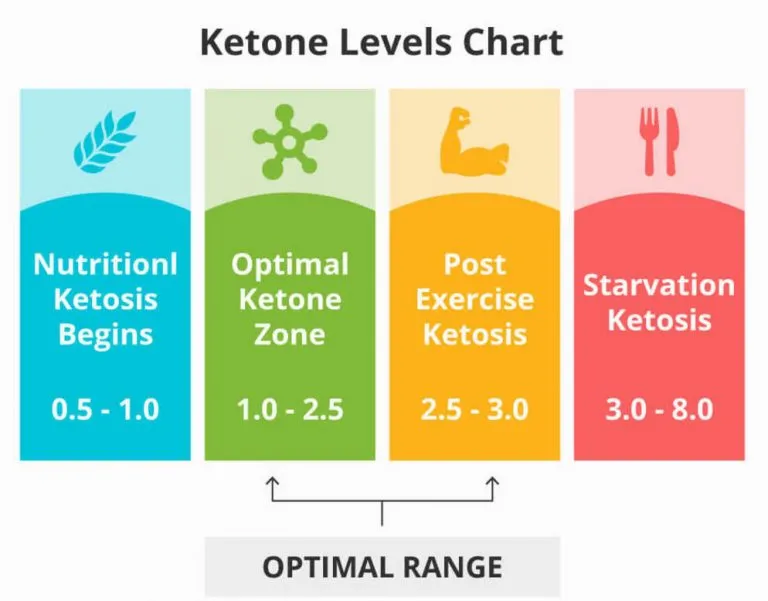
4. Monitor your ketone levels: You can use urine test strips or a blood ketone meter to monitor your ketone levels and ensure that you are in ketosis.
5. Stay hydrated: Drinking plenty of water is crucial when following a ketogenic diet, as ketosis can lead to dehydration.
6. Be patient: It may take a few days for your body to adjust to ketosis, so be patient and give yourself time to adapt.
Frequently Asked Questions
Q: Is ketosis safe?
A: Ketosis is generally considered safe for most people. However, if you have certain medical conditions such as diabetes or kidney disease, it is important to consult with a healthcare provider before starting a ketogenic diet.
Q: Can I exercise while in ketosis?
A: Yes, you can exercise while in ketosis. In fact, many athletes and fitness enthusiasts follow a ketogenic diet to improve their performance and endurance.
Q: Will I lose muscle mass on a ketogenic diet?
A: While some initial weight loss on a ketogenic diet may come from muscle mass, this can be minimized by consuming an adequate amount of protein and engaging in resistance training.
Q: How long does it take to reach ketosis?
A: It typically takes 2-4 days of restricting carbohydrate intake to reach ketosis. However, this can vary depending on individual factors such as metabolism and activity level.
Q: Can I drink alcohol on a ketogenic diet?
A: While some alcoholic beverages are low in carbohydrates, alcohol can interfere with ketosis and may slow down weight loss. It is best to consume alcohol in moderation or avoid it altogether while following a ketogenic diet.
In conclusion, ketosis is a metabolic state in which your body burns fat for fuel instead of carbohydrates. By following a ketogenic diet and making lifestyle changes, you can achieve weight loss, improved mental clarity, and other health benefits. If you are interested in trying a ketogenic diet, be sure to consult with a healthcare provider and do your research to ensure that it is the right choice for you. With dedication and patience, you can successfully enter ketosis and reap the many benefits it has to offer.