Debunking Myths About the Ketogenic Diet: Separating Fact from Fiction
The ketogenic diet, or keto diet, has become increasingly popular in recent years as a way to lose weight and improve overall health. However, with its rise in popularity, a number of myths and misconceptions have also emerged surrounding the diet. In this article, we will debunk some of the most common myths about the ketogenic diet and separate fact from fiction.
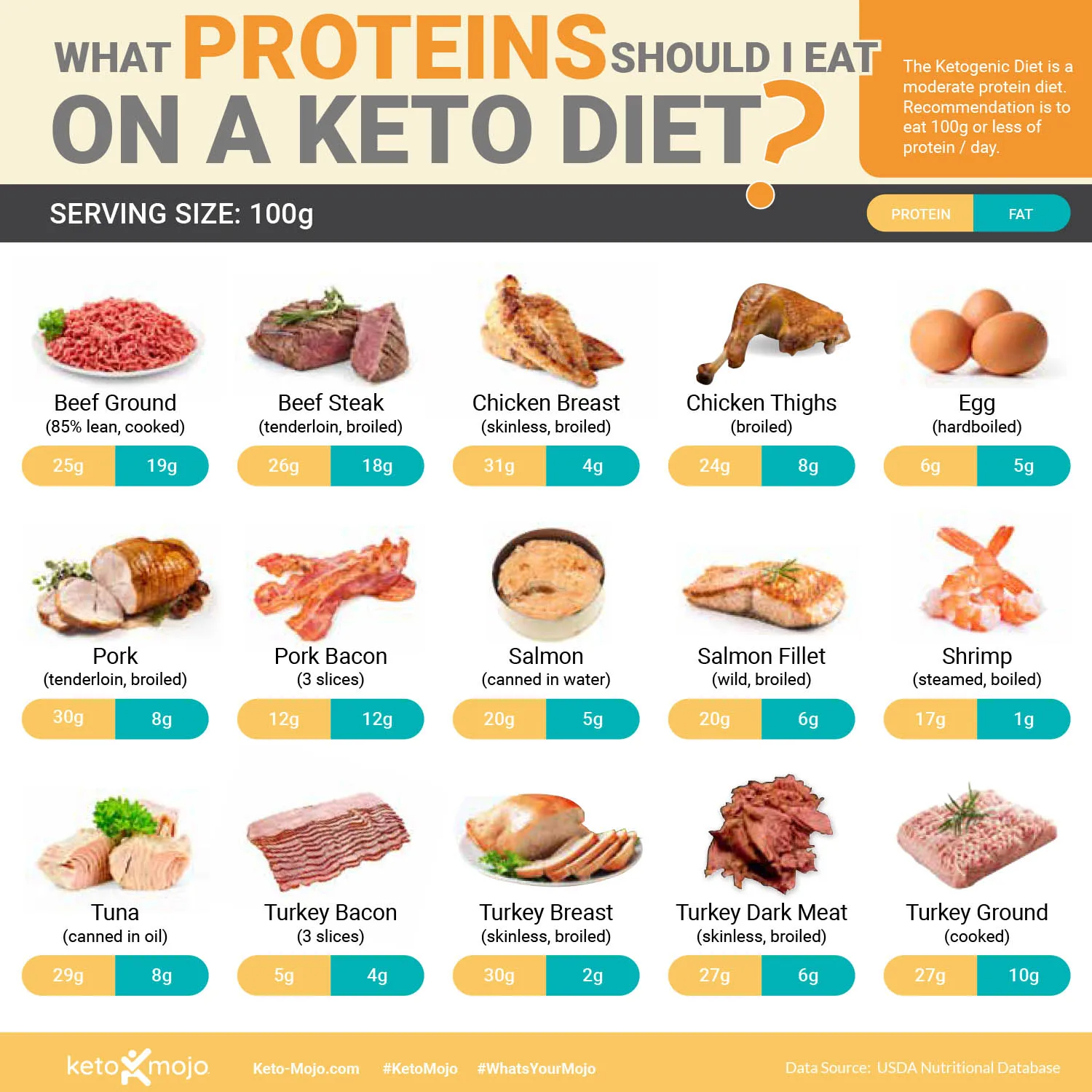
Myth #1: The ketogenic diet is high in protein.
Fact: While it is true that the ketogenic diet is high in fat, it is not necessarily high in protein. The focus of the keto diet is on consuming healthy fats, such as avocados, nuts, and olive oil, in order to put the body into a state of ketosis, where it burns fat for fuel instead of carbohydrates. Protein intake on the ketogenic diet is moderate, with most people aiming to consume around 20-25% of their daily calories from protein.
Myth #2: The ketogenic diet is unhealthy because it eliminates whole food groups.
Fact: While it is true that the ketogenic diet eliminates certain food groups, such as grains and starchy vegetables, it is not inherently unhealthy. In fact, many people find that the diet helps them to lose weight, improve their energy levels, and reduce inflammation in the body. The key is to focus on consuming nutrient-dense foods, such as leafy greens, fatty fish, and grass-fed meats, in order to ensure that you are getting all of the essential vitamins and minerals your body needs.
Myth #3: The ketogenic diet is only for weight loss.
Fact: While many people turn to the ketogenic diet as a way to lose weight, it can also be beneficial for a number of other health conditions. Research has shown that the ketogenic diet may help to improve symptoms of epilepsy, Alzheimer’s disease, and Parkinson’s disease, as well as reduce the risk of heart disease and type 2 diabetes. Additionally, many people find that the diet helps to improve their mental clarity and focus, making it a popular choice for those looking to boost their cognitive function.
Myth #4: The ketogenic diet is too restrictive and difficult to follow long-term.
Fact: While the ketogenic diet does require some initial adjustment, many people find that they are able to stick with it long-term with the right planning and support. There are a number of resources available to help people follow the diet, including cookbooks, meal plans, and online support groups. Additionally, many people find that they are able to enjoy a wide variety of delicious foods on the ketogenic diet, including bacon, cheese, and avocado, making it easier to stick with the diet over the long term.
Myth #5: The ketogenic diet is dangerous and can lead to nutrient deficiencies.
Fact: While it is true that the ketogenic diet eliminates certain food groups, such as grains and starchy vegetables, it is possible to follow the diet in a way that ensures you are getting all of the essential nutrients your body needs. By focusing on consuming a variety of nutrient-dense foods, such as leafy greens, nuts, and seeds, you can ensure that you are getting all of the essential vitamins and minerals your body needs to thrive. Additionally, many people find that they are able to take supplements, such as magnesium and potassium, to help fill in any nutrient gaps while following the ketogenic diet.
Common FAQs About the Ketogenic Diet:
Q: Will I lose muscle mass on the ketogenic diet?
A: While it is possible to lose muscle mass on any diet if you are not consuming enough protein or engaging in regular strength training, many people find that they are able to maintain or even build muscle on the ketogenic diet. By focusing on consuming enough protein and engaging in regular strength training, you can help to ensure that you are able to maintain your muscle mass while following the ketogenic diet.
Q: Can I drink alcohol on the ketogenic diet?
A: While it is possible to drink alcohol on the ketogenic diet, it is important to choose low-carb options, such as vodka, gin, or tequila, in order to stay in ketosis. Additionally, it is important to drink alcohol in moderation and be mindful of how it may affect your weight loss goals while following the ketogenic diet.
Q: Will I experience the keto flu while following the ketogenic diet?
A: While some people may experience symptoms of the keto flu, such as headache, fatigue, and irritability, when first starting the ketogenic diet, these symptoms are usually temporary and can be managed with proper hydration and electrolyte supplementation. By ensuring that you are consuming enough water, salt, and potassium, you can help to minimize the symptoms of the keto flu and make the transition to ketosis more comfortable.
Q: Is the ketogenic diet safe for everyone to follow?
A: While the ketogenic diet is generally safe for most people to follow, it may not be appropriate for everyone. It is important to speak with your healthcare provider before starting the ketogenic diet, especially if you have any underlying health conditions, such as diabetes or heart disease, or if you are pregnant or breastfeeding. Your healthcare provider can help to determine if the ketogenic diet is a safe and appropriate option for you based on your individual health needs and goals.
In conclusion, the ketogenic diet is a popular and effective way to lose weight, improve overall health, and boost cognitive function. By debunking common myths and misconceptions about the diet, we can help to separate fact from fiction and provide accurate information to those considering following the ketogenic diet. By focusing on consuming nutrient-dense foods, staying hydrated, and seeking support from healthcare providers and online communities, you can ensure that you are able to follow the ketogenic diet safely and effectively for long-term success.