Demystifying Keto: How Does the High-Fat, Low-Carb Diet Actually Work?
Introduction
The ketogenic diet, or keto diet, has gained immense popularity in recent years as a way to lose weight, improve health, and boost energy levels. But what exactly is keto, and how does it work? In this article, we will delve into the science behind the keto diet, explore its benefits and potential risks, and provide practical tips for those looking to try it out.
What is the keto diet?
The keto diet is a high-fat, low-carb diet that has been used for decades to treat certain medical conditions, such as epilepsy. The main goal of the keto diet is to induce a state of ketosis in the body, where the liver produces ketones from fat stores to be used as energy instead of glucose from carbohydrates.
In a typical Western diet, the body primarily relies on glucose for energy, which is derived from carbohydrates. However, when carbohydrate intake is restricted, as is the case with the keto diet, the body switches to burning fat for fuel instead. This metabolic shift is what makes the keto diet unique and effective for weight loss and other health benefits.
How Does the keto diet Work?
To understand how the keto diet works, it is important to know the role of ketones in the body. Ketones are molecules that are produced by the liver when there is a shortage of glucose in the bloodstream. These ketones can be used by the body as an alternative source of energy, particularly for the brain, which cannot directly use fat for fuel.
When following a keto diet, carbohydrates are restricted to less than 50 grams per day, which forces the body to enter a state of ketosis. This means that the body is burning fat for energy, leading to weight loss and other health benefits. In addition, ketosis has been shown to reduce inflammation, improve insulin sensitivity, and enhance mental clarity and focus.
Benefits of the keto diet
The keto diet has been associated with a number of health benefits, including:
1. weight loss: The keto diet is highly effective for weight loss, as it promotes fat burning and reduces hunger and cravings.
2. Improved energy levels: Many people report increased energy and stamina on the keto diet, as ketones provide a steady source of fuel for the body.
3. Better mental clarity: Ketones have been shown to enhance cognitive function and improve focus and concentration.
4. Reduced inflammation: Ketosis has anti-inflammatory effects, which may help reduce the risk of chronic diseases such as heart disease and cancer.
5. Improved insulin sensitivity: The keto diet can help regulate blood sugar levels and improve insulin sensitivity, which is beneficial for those with diabetes or prediabetes.
Potential Risks of the keto diet
While the keto diet has many benefits, it is not without its risks. Some potential risks of the keto diet include:
1. Nutrient deficiencies: Because the keto diet restricts certain food groups, such as fruits and grains, it can lead to nutrient deficiencies if not followed properly.
2. Keto flu: When first starting the keto diet, some people may experience symptoms such as fatigue, headache, and irritability, known as the “keto flu.”
3. Digestive issues: The high fat content of the keto diet can cause digestive issues such as constipation or diarrhea in some individuals.
4. Potential long-term effects: The long-term effects of the keto diet are not well understood, so it is important to consult with a healthcare provider before starting the diet.
Tips for Success on the keto diet
If you are considering trying the keto diet, here are some tips to help you succeed:
1. Start gradually: Ease into the keto diet by gradually reducing your carbohydrate intake over a period of time.
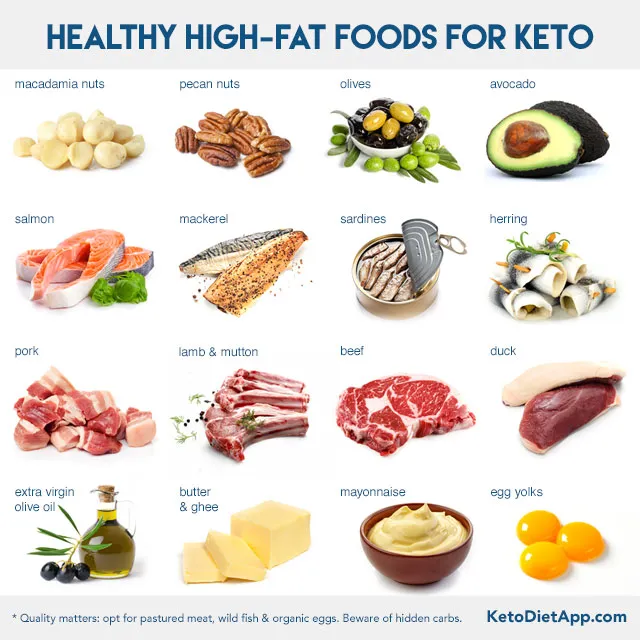
2. Focus on whole foods: Choose nutrient-dense, whole foods such as meat, fish, eggs, nuts, seeds, and low-carb vegetables to ensure you are getting all the nutrients your body needs.
3. Stay hydrated: Drink plenty of water and electrolytes to help prevent dehydration and electrolyte imbalances, which can occur on the keto diet.
4. Monitor your progress: Keep track of your food intake, weight, and how you are feeling to help you stay on track and make adjustments as needed.
Frequently Asked Questions about the keto diet
1. Is the keto diet safe for everyone?
The keto diet is generally safe for most people, but it may not be suitable for those with certain medical conditions, such as kidney disease or pancreatitis. It is important to consult with a healthcare provider before starting the keto diet to ensure it is right for you.
2. How long does it take to enter ketosis on the keto diet?
It typically takes 2-7 days to enter ketosis on the keto diet, depending on your individual metabolism and carbohydrate intake.
3. Can I exercise on the keto diet?
Yes, you can exercise on the keto diet, but you may need to adjust your workout intensity and duration as your body adapts to burning fat for fuel instead of glucose.
4. Can I eat out on the keto diet?
Yes, you can eat out on the keto diet, but you may need to make special requests or modifications to your meal to ensure it fits within the guidelines of the diet.
Conclusion
The keto diet is a high-fat, low-carb diet that can be an effective way to lose weight, improve health, and boost energy levels. By understanding the science behind the keto diet, knowing its benefits and potential risks, and following practical tips for success, you can make the most of this popular diet trend. If you are considering trying the keto diet, be sure to consult with a healthcare provider to ensure it is right for you and to monitor your progress along the way. With dedication and patience, the keto diet can help you achieve your health and wellness goals.