Dirty Keto: Is It Worth the Risk? Exploring the Potential Health Consequences
The ketogenic diet has gained immense popularity in recent years for its ability to promote rapid weight loss and improve overall health. By drastically reducing carbohydrate intake and increasing fat consumption, the body is forced to enter a state of ketosis, where it burns fat for fuel instead of glucose. While the traditional ketogenic diet emphasizes whole, nutrient-dense foods such as vegetables, healthy fats, and high-quality proteins, a new trend known as “Dirty Keto” has emerged, which allows for more leniency when it comes to food choices.
Dirty Keto is a variation of the standard ketogenic diet that focuses solely on macronutrient ratios, rather than the quality of the foods consumed. This means that individuals following a Dirty keto diet can technically eat anything they want, as long as they stay within their daily carbohydrate, fat, and protein limits. This approach has sparked controversy among health experts, as it raises concerns about the potential health consequences of consuming processed, low-quality foods on a regular basis.
In this article, we will explore the concept of Dirty Keto in more detail, discuss the potential risks associated with this approach, and provide insight into whether or not it is worth the risk for those looking to lose weight and improve their overall health.
What is Dirty Keto?
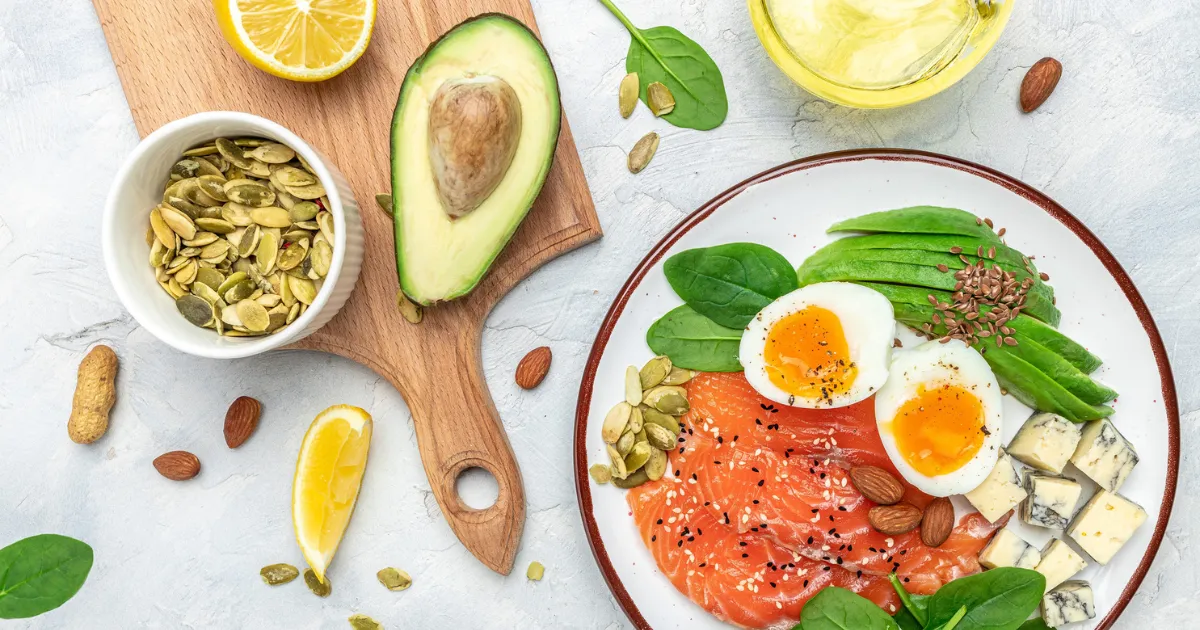
Dirty Keto is a term used to describe a version of the ketogenic diet that allows for the consumption of processed, low-quality foods that are typically high in unhealthy fats, artificial sweeteners, and preservatives. While traditional keto diets emphasize whole, nutrient-dense foods such as avocados, nuts, seeds, and grass-fed meats, Dirty Keto followers often opt for convenience foods like fast food, packaged snacks, and sugar-free desserts.
The main premise of Dirty Keto is to maintain a low-carbohydrate, high-fat diet in order to achieve ketosis, without placing as much emphasis on the quality of the foods consumed. This can make it easier for some individuals to adhere to the diet, as they are not restricted to only eating whole, unprocessed foods. However, this leniency can come at a cost, as consuming a diet high in processed foods can have negative effects on overall health.
Potential Health Consequences of Dirty Keto
While Dirty Keto may offer a more flexible approach to the ketogenic diet, it comes with a number of potential health consequences that individuals should be aware of before deciding to follow this eating plan. Some of the most significant risks associated with Dirty Keto include:
1. Nutrient Deficiencies: By focusing solely on macronutrient ratios and neglecting the quality of the foods consumed, individuals following a Dirty keto diet may be at risk of developing nutrient deficiencies. Processed foods are often stripped of essential vitamins and minerals, which can lead to deficiencies over time.
2. Inflammation: Consuming a diet high in processed foods, trans fats, and artificial sweeteners can promote inflammation in the body, which is linked to a variety of chronic diseases including heart disease, diabetes, and cancer. Inflammation can also exacerbate existing health conditions and contribute to weight gain.
3. Poor Gut Health: Processed foods are often low in fiber and high in sugar, which can disrupt the balance of healthy bacteria in the gut. This can lead to digestive issues, such as bloating, gas, and constipation, as well as more serious conditions like leaky gut syndrome.
4. Increased Risk of Heart Disease: Diets high in unhealthy fats, such as those found in processed foods, can raise levels of LDL cholesterol (bad cholesterol) and triglycerides, increasing the risk of heart disease and stroke.
5. Weight Gain: While Dirty Keto may initially lead to weight loss due to the low-carb, high-fat nature of the diet, consuming a diet high in processed foods can ultimately lead to weight gain over time. Processed foods are often high in calories and low in nutrients, making it easy to overeat and consume an excess of empty calories.
6. Disordered Eating Patterns: Following a diet that allows for the consumption of any food, as long as it fits within the macronutrient ratios, can lead to disordered eating patterns and an unhealthy relationship with food. This can result in feelings of guilt, shame, and anxiety surrounding food choices, which can have a negative impact on mental health.
Is Dirty Keto Worth the Risk?
While Dirty Keto may offer a more flexible approach to the ketogenic diet, the potential health consequences associated with consuming a diet high in processed foods are significant. For individuals looking to lose weight and improve their overall health, it is important to prioritize the quality of the foods consumed, rather than solely focusing on macronutrient ratios.
Following a clean ketogenic diet that emphasizes whole, nutrient-dense foods is the best way to achieve long-term success with the ketogenic diet, while minimizing the risk of developing nutrient deficiencies, inflammation, poor gut health, heart disease, weight gain, and disordered eating patterns.
Ultimately, the decision to follow Dirty Keto comes down to personal preference and individual goals. While some individuals may find success with this approach in the short term, the potential long-term consequences should be carefully considered before committing to this eating plan.
FAQs
1. Is Dirty Keto the same as lazy Keto?
While Dirty Keto and lazy Keto are often used interchangeably, they are actually two different approaches to the ketogenic diet. Dirty Keto focuses on macronutrient ratios and allows for the consumption of processed, low-quality foods, while lazy Keto refers to a more relaxed approach to tracking macros and may still include whole, nutrient-dense foods.
2. Can I still lose weight on Dirty Keto?
While it is possible to lose weight on Dirty Keto due to the low-carb, high-fat nature of the diet, the long-term consequences of consuming a diet high in processed foods may ultimately outweigh any short-term weight loss benefits. For sustainable weight loss and overall health, it is best to prioritize the quality of the foods consumed.
3. What are some examples of Dirty Keto foods?
Examples of Dirty Keto foods include fast food burgers without the bun, sugar-free desserts made with artificial sweeteners, packaged snacks like pork rinds and beef jerky, and processed cheeses. These foods are typically high in unhealthy fats, preservatives, and artificial ingredients.
4. Can I follow Dirty Keto occasionally?
While following Dirty Keto occasionally may not have a significant impact on overall health, it is important to be mindful of the frequency and quantity of processed foods consumed. Opting for whole, nutrient-dense foods as much as possible is the best way to support long-term health and weight management.
5. What are some alternatives to Dirty Keto?
For individuals looking to follow a cleaner, more sustainable approach to the ketogenic diet, there are a number of alternatives to Dirty Keto that prioritize whole, nutrient-dense foods. Some examples include the standard ketogenic diet, the cyclical ketogenic diet, and the targeted ketogenic diet, all of which focus on quality food choices and balanced macronutrient ratios.
In conclusion, Dirty Keto may offer a more flexible approach to the ketogenic diet, but the potential health consequences associated with consuming a diet high in processed foods should not be overlooked. For long-term success with the ketogenic diet and overall health, it is best to prioritize whole, nutrient-dense foods and avoid relying on processed, low-quality options. By making informed choices about the foods we consume, we can support our health and well-being while achieving our weight loss goals.