Early Menopause: What Every Woman Should Know
Menopause is a natural part of a woman’s life, typically occurring between the ages of 45 and 55. However, for some women, menopause may occur earlier than expected, a condition known as early menopause. Early menopause, also referred to as premature menopause, can occur before the age of 40 and can have a significant impact on a woman’s physical and emotional well-being. In this article, we will explore what early menopause is, its causes, symptoms, and treatment options, as well as offer guidance on how to cope with this condition.
What is Early Menopause?
Early menopause is defined as the cessation of menstruation before the age of 40. This can be a natural occurrence or it can be induced by medical treatments such as chemotherapy or surgery. Early menopause can also be caused by certain medical conditions or genetic factors.
Causes of Early Menopause
There are several factors that can contribute to early menopause, including:
1. Genetic predisposition: Some women may have a genetic predisposition to early menopause, meaning that they are more likely to experience menopause before the age of 40 if their mother or sisters did as well.
2. Medical conditions: Certain medical conditions, such as autoimmune disorders, thyroid disorders, and cancer treatments, can lead to early menopause.
3. Lifestyle factors: Smoking, excessive alcohol consumption, and poor diet can all contribute to early menopause.
4. Surgical interventions: Surgical procedures that involve the removal of the ovaries or uterus can also trigger early menopause.
Symptoms of Early Menopause
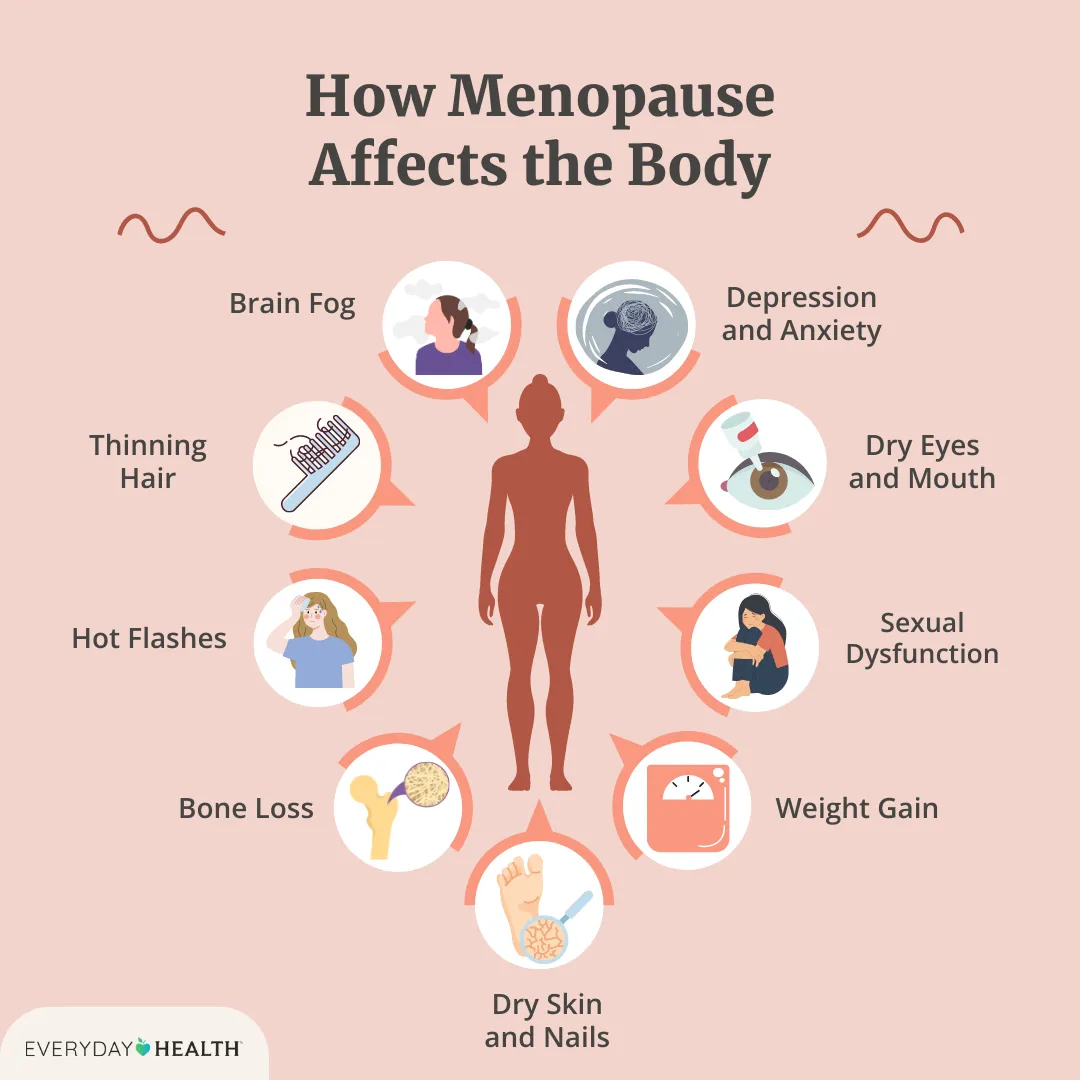
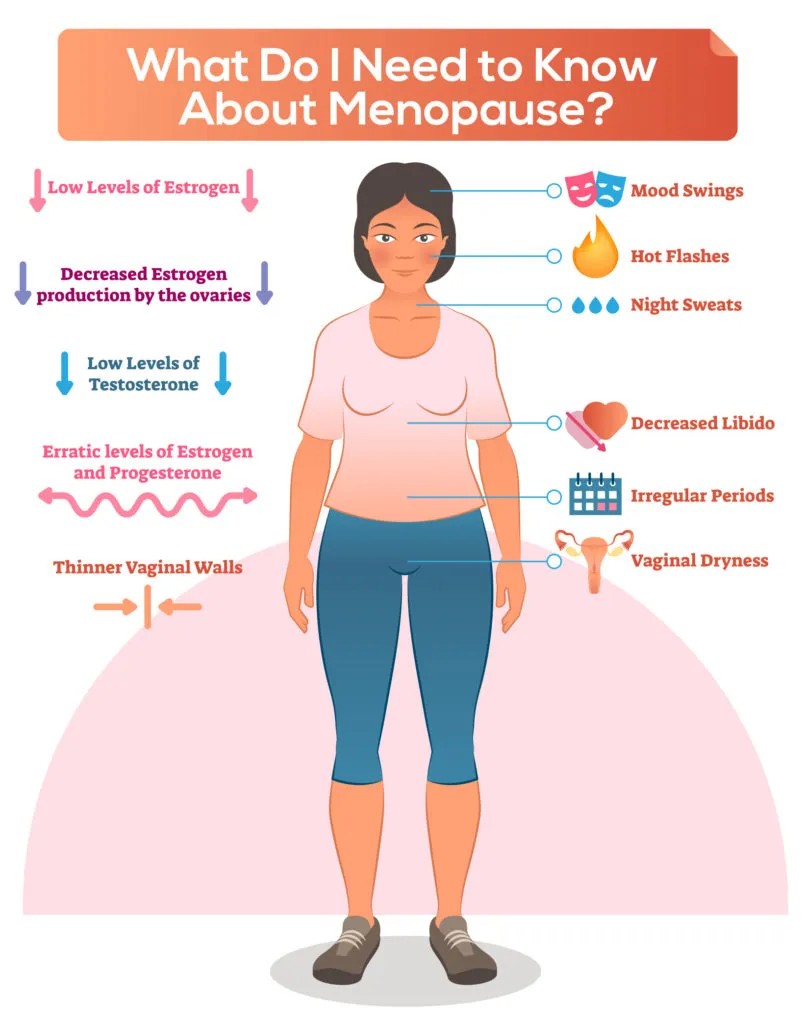
The symptoms of early menopause are similar to those of natural menopause and may include:
1. Irregular periods or absence of periods
2. Hot flashes and night sweats
3. Mood swings and irritability
4. Vaginal dryness and discomfort during intercourse
5. Fatigue and difficulty sleeping
6. Loss of bone density and increased risk of osteoporosis
Treatment Options for Early Menopause
There are several treatment options available for women experiencing early menopause, including:
1. Hormone replacement therapy (HRT): HRT can help alleviate the symptoms of early menopause by replacing the hormones that are no longer being produced by the ovaries.
2. Lifestyle changes: Eating a healthy diet, exercising regularly, and avoiding smoking and excessive alcohol consumption can help manage the symptoms of early menopause.
3. Alternative therapies: Some women find relief from early menopause symptoms through alternative therapies such as acupuncture, yoga, and herbal supplements.
4. Counseling and support groups: Counseling and support groups can provide emotional support and guidance for women dealing with the challenges of early menopause.
Coping with Early Menopause
Dealing with early menopause can be challenging, both physically and emotionally. Here are some tips for coping with early menopause:
1. Educate yourself: Learn as much as you can about early menopause and its symptoms so that you can better understand what you are going through.
2. Seek support: Talk to your healthcare provider, friends, and family members about your experience with early menopause. Joining a support group can also be helpful.
3. Take care of yourself: Eat a healthy diet, exercise regularly, and get plenty of rest to help manage the symptoms of early menopause.
4. Consider therapy: Counseling can help you navigate the emotional challenges of early menopause and develop coping strategies.
FAQs about Early Menopause
Q: Can early menopause be prevented?
A: While early menopause cannot always be prevented, there are steps that women can take to reduce their risk, such as maintaining a healthy lifestyle and avoiding smoking and excessive alcohol consumption.
Q: Will I still be able to have children if I experience early menopause?
A: Early menopause can make it more difficult to conceive, but it is still possible for some women to become pregnant through assisted reproductive technologies such as in vitro fertilization.
Q: What are the long-term health risks of early menopause?
A: Women who experience early menopause may be at a higher risk for certain health conditions, such as heart disease and osteoporosis. It is important to discuss your individual risk factors with your healthcare provider.
Q: Can hormone replacement therapy (HRT) help with early menopause symptoms?
A: HRT can be effective in managing the symptoms of early menopause, but it is not without risks. It is important to discuss the potential benefits and risks of HRT with your healthcare provider before starting treatment.
Q: How can I talk to my partner about early menopause?
A: Communication is key when discussing early menopause with your partner. Be open and honest about your feelings and concerns, and encourage your partner to ask questions and offer support.
In conclusion, early menopause is a challenging condition that can have a significant impact on a woman’s physical and emotional well-being. By educating yourself about early menopause, seeking support, and exploring treatment options, you can effectively manage the symptoms of this condition and improve your quality of life. Remember that you are not alone in your experience with early menopause and that there are resources available to help you navigate this journey.