Eating Keto for the Planet: Tips for Minimizing Your Environmental Impact
The Ketogenic Diet, or Keto for short, has gained popularity in recent years for its health benefits and weight loss potential. However, as with any diet, there are environmental implications to consider when following a Keto lifestyle. From the production of animal products to the packaging of processed foods, every aspect of our food choices can impact the planet in some way. In this article, we will explore how to eat Keto in a way that minimizes your environmental impact, while still enjoying all the benefits of this popular diet.
1. Choose Local and Seasonal Produce
One of the easiest ways to reduce your environmental impact when following a keto diet is to choose local and seasonal produce whenever possible. By purchasing fruits and vegetables that are grown close to home, you can reduce the carbon footprint associated with transportation and support local farmers in your community. Additionally, choosing seasonal produce ensures that you are eating foods at their peak freshness and nutritional value.
2. Reduce Food Waste
Food waste is a major contributor to greenhouse gas emissions and other environmental problems. To minimize your impact, try to plan your meals in advance and only purchase what you need. If you have leftovers, try to repurpose them into new dishes or freeze them for later use. Composting is another great way to reduce food waste and create nutrient-rich soil for your garden.
3. Opt for Sustainable Protein Sources
Animal products are a major source of greenhouse gas emissions and water usage in the food industry. When following a keto diet, it can be tempting to consume large amounts of meat and dairy products. However, there are more sustainable protein sources available, such as plant-based proteins like tofu, tempeh, and legumes. If you do choose to consume animal products, opt for grass-fed and pasture-raised options whenever possible.
4. Choose Eco-Friendly Packaging
Many Keto-friendly products come in single-use plastic packaging, which contributes to plastic pollution and other environmental problems. To minimize your impact, look for products with eco-friendly packaging, such as glass jars or compostable materials. You can also try buying in bulk and using reusable containers to reduce waste.
5. Grow Your Own Food
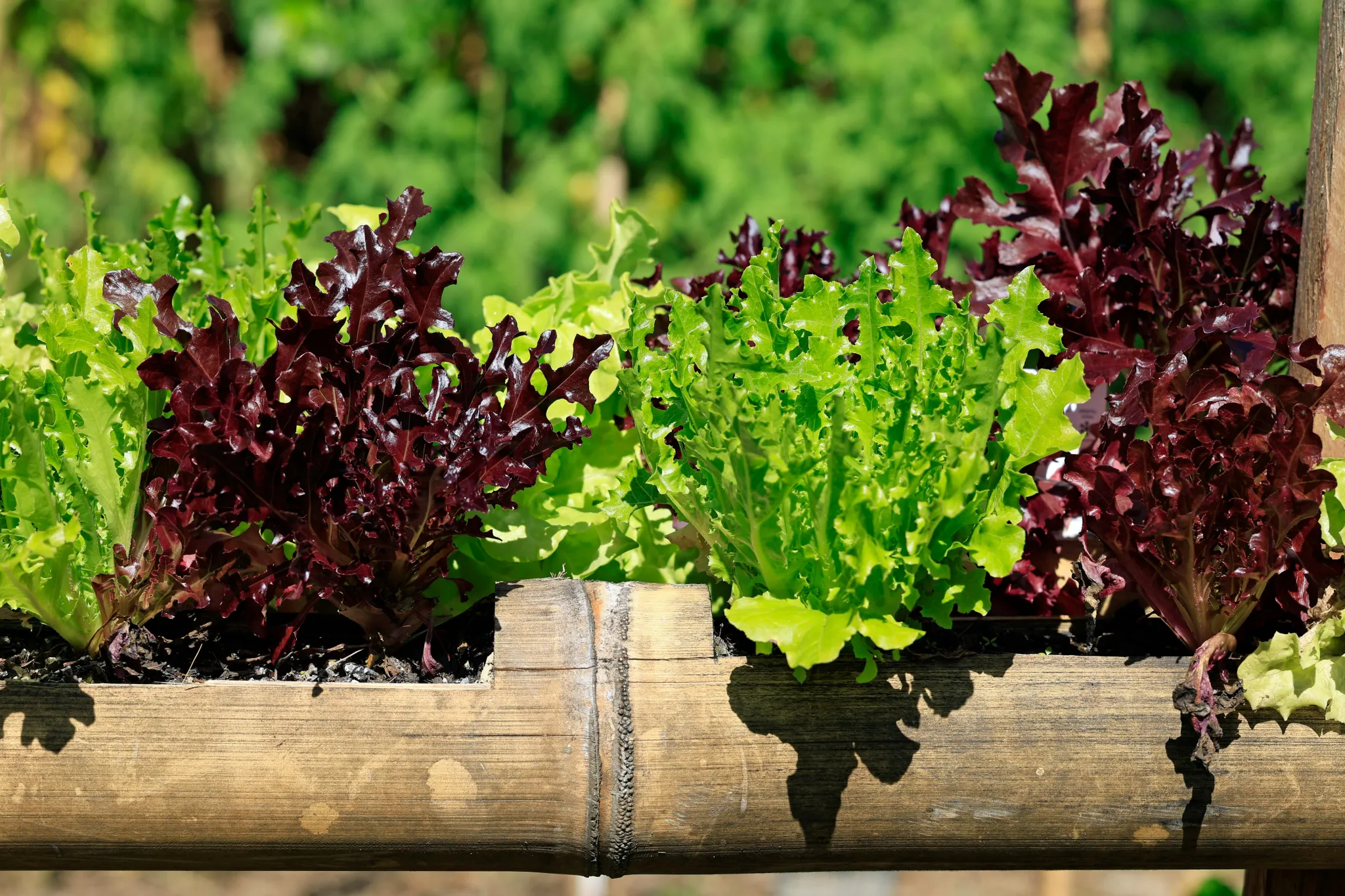
One of the best ways to reduce your environmental impact is to grow your own food. Whether you have a large garden or just a few pots on your balcony, growing your own fruits and vegetables can help you reduce your carbon footprint and connect with the natural world. Plus, homegrown produce is often fresher and more flavorful than store-bought options.
Frequently Asked Questions
Q: Is it possible to follow a keto diet and still be environmentally conscious?
A: Yes, it is possible to follow a keto diet while minimizing your environmental impact. By choosing local and seasonal produce, reducing food waste, opting for sustainable protein sources, choosing eco-friendly packaging, and growing your own food, you can enjoy all the benefits of Keto while still being conscious of the planet.
Q: Are there any specific Keto-friendly foods that are better for the environment?
A: Yes, there are several Keto-friendly foods that are better for the environment, such as plant-based proteins like tofu, tempeh, and legumes. These options have a lower carbon footprint and water usage compared to traditional animal products.
Q: How can I reduce my carbon footprint while following a keto diet?
A: To reduce your carbon footprint while following a keto diet, try to choose local and seasonal produce, reduce food waste, opt for sustainable protein sources, choose eco-friendly packaging, and grow your own food. These simple steps can make a big difference in minimizing your environmental impact.
In conclusion, following a keto diet can have both health benefits and environmental implications. By making conscious choices about the foods you eat and how they are produced, you can minimize your impact on the planet while still enjoying all the benefits of this popular diet. Whether you choose to grow your own food, reduce food waste, or opt for sustainable protein sources, there are many ways to eat Keto for the planet.