Eating Right Through Menopause: A Guide to Managing Symptoms with Nutrition
Menopause is a natural phase in a woman’s life that marks the end of her reproductive years. It is characterized by a decline in estrogen levels, leading to a variety of physical and emotional symptoms. These symptoms can range from hot flashes and night sweats to mood swings and weight gain. While menopause is a normal part of aging, it can be challenging for many women to navigate the changes that come with it.
One area that can have a significant impact on menopausal symptoms is nutrition. Eating a healthy, balanced diet can help manage some of the symptoms of menopause and improve overall well-being. In this article, we will explore the role of nutrition in managing menopausal symptoms and provide tips on how to eat right through menopause.
The Role of Nutrition in Menopause
Nutrition plays a crucial role in managing menopausal symptoms because certain foods can either exacerbate or alleviate these symptoms. For example, some foods can trigger hot flashes and night sweats, while others can help stabilize mood and support bone health. By making informed food choices, women can better manage their symptoms and feel more in control of their bodies during this transitional phase.
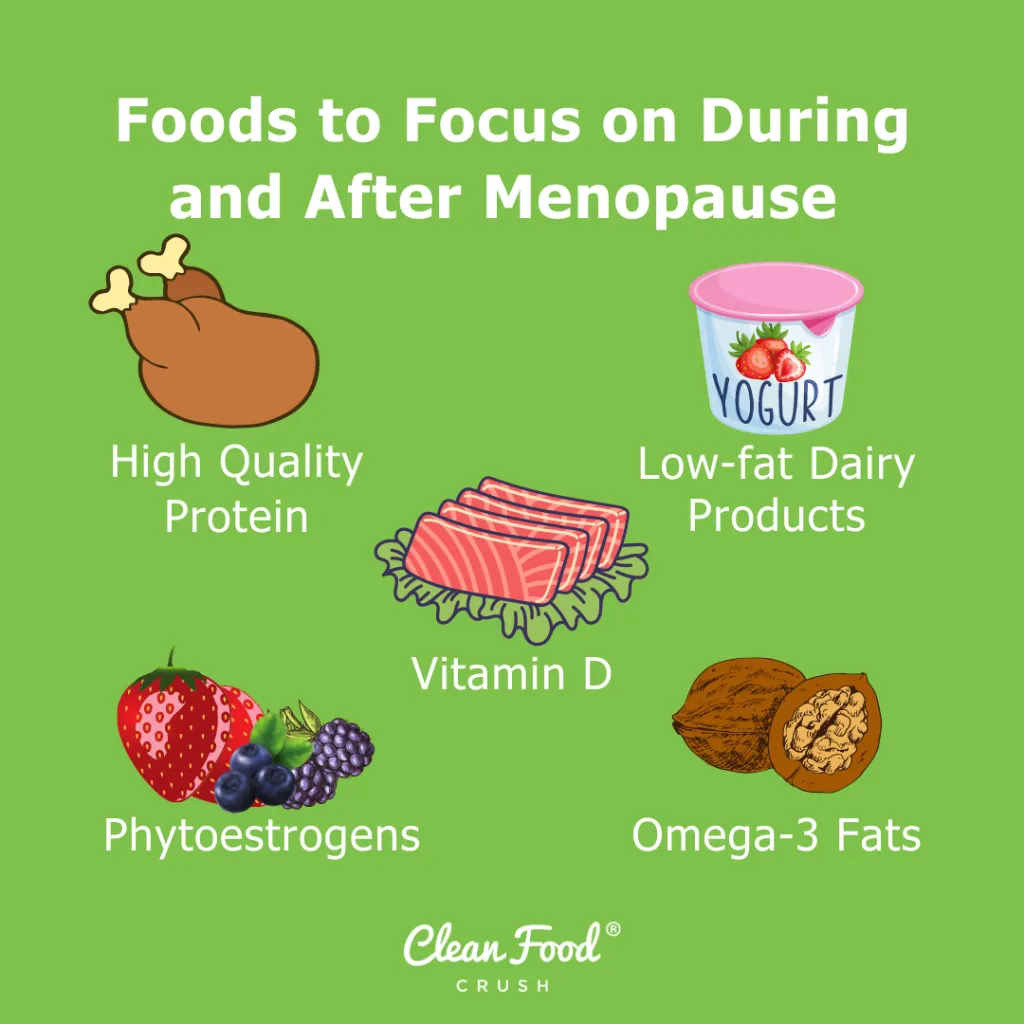
One of the key nutrients that women going through menopause need to pay attention to is calcium. As estrogen levels decline, women are at an increased risk of developing osteoporosis, a condition characterized by weak and brittle bones. Consuming an adequate amount of calcium through foods like dairy products, leafy greens, and fortified foods can help support bone health and reduce the risk of fractures.
In addition to calcium, women going through menopause should also focus on getting enough vitamin D. Vitamin D helps the body absorb calcium and plays a crucial role in bone health. Foods like fatty fish, eggs, and fortified foods are good sources of vitamin D. Spending time in the sun can also help the body produce vitamin D naturally.
Another important nutrient for women going through menopause is omega-3 fatty acids. Omega-3s have anti-inflammatory properties and can help reduce symptoms like joint pain and mood swings. Foods like fatty fish, flaxseeds, and walnuts are rich sources of omega-3 fatty acids.
In general, a diet rich in fruits and vegetables, whole grains, lean protein, and healthy fats can help support overall health and well-being during menopause. Avoiding processed foods, sugary snacks, and excessive caffeine can also help manage symptoms like hot flashes and mood swings.
Tips for Eating Right Through Menopause
Here are some tips for eating right through menopause:
1. Focus on whole, nutrient-dense foods: Choose foods that are rich in vitamins, minerals, and antioxidants to support overall health and well-being. Include a variety of fruits and vegetables, whole grains, lean protein sources, and healthy fats in your diet.
2. Get enough calcium and vitamin D: Aim to consume foods that are rich in calcium and vitamin D to support bone health. Include dairy products, leafy greens, fortified foods, and fatty fish in your diet to meet your calcium and vitamin D needs.
3. Incorporate omega-3 fatty acids: Include foods like fatty fish, flaxseeds, and walnuts in your diet to get an adequate amount of omega-3 fatty acids. Omega-3s can help reduce inflammation and support joint health.
4. Stay hydrated: Drink plenty of water throughout the day to stay hydrated and support overall health. Dehydration can exacerbate symptoms like hot flashes and fatigue.
5. Limit caffeine and alcohol: Excessive caffeine and alcohol consumption can worsen symptoms like hot flashes and mood swings. Limit your intake of these substances to manage your symptoms effectively.
6. Practice mindful eating: Pay attention to your body’s hunger and fullness cues, and eat slowly to savor your meals. Mindful eating can help prevent overeating and promote digestion.
7. Stay active: Regular physical activity can help manage symptoms like weight gain, mood swings, and joint pain. Aim to incorporate activities like walking, yoga, or strength training into your routine to support overall health.
Frequently Asked Questions
1. Are there any foods that can help reduce hot flashes?
Some women find that certain foods like soy products, flaxseeds, and leafy greens can help reduce the frequency and intensity of hot flashes. These foods contain phytoestrogens, plant compounds that mimic estrogen in the body and can help alleviate menopausal symptoms.
2. Can diet and nutrition help with mood swings during menopause?
Eating a balanced diet rich in fruits and vegetables, whole grains, lean protein, and healthy fats can help stabilize mood and support overall well-being. Foods like fatty fish, walnuts, and flaxseeds, which are rich in omega-3 fatty acids, can also help reduce inflammation and support mental health.
3. How can I maintain a healthy weight during menopause?
Eating a balanced diet and staying active can help manage weight gain during menopause. Focus on nutrient-dense foods, limit processed foods and sugary snacks, and incorporate regular physical activity into your routine to support a healthy weight.
4. Are there any supplements that can help manage menopausal symptoms?
Some women find relief from menopausal symptoms by taking supplements like calcium, vitamin D, and omega-3 fatty acids. However, it’s important to talk to your healthcare provider before starting any new supplements to ensure they are safe and appropriate for your individual needs.
In conclusion, eating right through menopause is essential for managing symptoms and supporting overall health and well-being. By focusing on nutrient-dense foods, staying hydrated, and staying active, women can navigate the changes that come with menopause more effectively. Remember to listen to your body, pay attention to how certain foods make you feel, and make informed choices to support your health during this transitional phase.