Menopause is a natural phase of a woman’s life that typically occurs in her late 40s or early 50s. It marks the end of her menstrual cycles and fertility, and is characterized by a decline in the production of estrogen and progesterone hormones. This hormonal shift can lead to a variety of symptoms, such as hot flashes, mood swings, weight gain, and sleep disturbances. One way to manage these symptoms and support your body during this transition is through a healthy diet.
In this article, we will explore the role of diet in managing menopausal symptoms and promoting hormonal balance. We will provide a comprehensive diet plan to help you navigate this phase of life with ease and grace. Additionally, we will address some frequently asked questions about eating your way through menopause.
Understanding Menopause and Hormonal Changes
Menopause is a natural biological process that occurs when a woman’s ovaries stop producing eggs, leading to the cessation of menstruation. As a result, the levels of estrogen and progesterone hormones in the body decrease, which can trigger a host of symptoms.
Some common symptoms of menopause include:
– Weight gain
– Insomnia
– Fatigue
– Brain fog
– Loss of libido
These symptoms can vary in severity and duration from woman to woman, and can have a significant impact on quality of life. While hormone replacement therapy (HRT) is a common treatment option for menopausal symptoms, many women are turning to natural approaches, such as diet and lifestyle changes, to manage their symptoms and support their overall health.
The Role of Diet in Menopause
Diet plays a crucial role in managing menopausal symptoms and promoting hormonal balance. Certain foods can help support your body during this transition by providing essential nutrients and phytochemicals that can help regulate hormone levels, reduce inflammation, and support overall health.
Some key dietary factors to consider during menopause include:
– Phytoestrogens: Phytoestrogens are plant compounds that have estrogen-like effects in the body. They can help balance hormone levels and alleviate symptoms such as hot flashes and mood swings. Foods rich in phytoestrogens include soy products, flaxseeds, chickpeas, lentils, and sesame seeds.
– Omega-3 fatty acids: Omega-3 fatty acids are essential fats that have anti-inflammatory properties and can help support heart health, cognitive function, and mood stability. Sources of omega-3 fatty acids include fatty fish (such as salmon, mackerel, and sardines), walnuts, chia seeds, and flaxseeds.
– Antioxidants: Antioxidants are compounds that help protect cells from damage caused by free radicals, which can contribute to aging and disease. Foods rich in antioxidants include fruits, vegetables, nuts, seeds, and whole grains.
– Calcium and vitamin D: Calcium and vitamin D are essential nutrients for bone health, which can be particularly important during menopause, when the risk of osteoporosis increases. Good sources of calcium include dairy products, leafy greens, and fortified foods, while vitamin D is found in fatty fish, egg yolks, and fortified foods.
A Diet Plan for Hormonal Balance
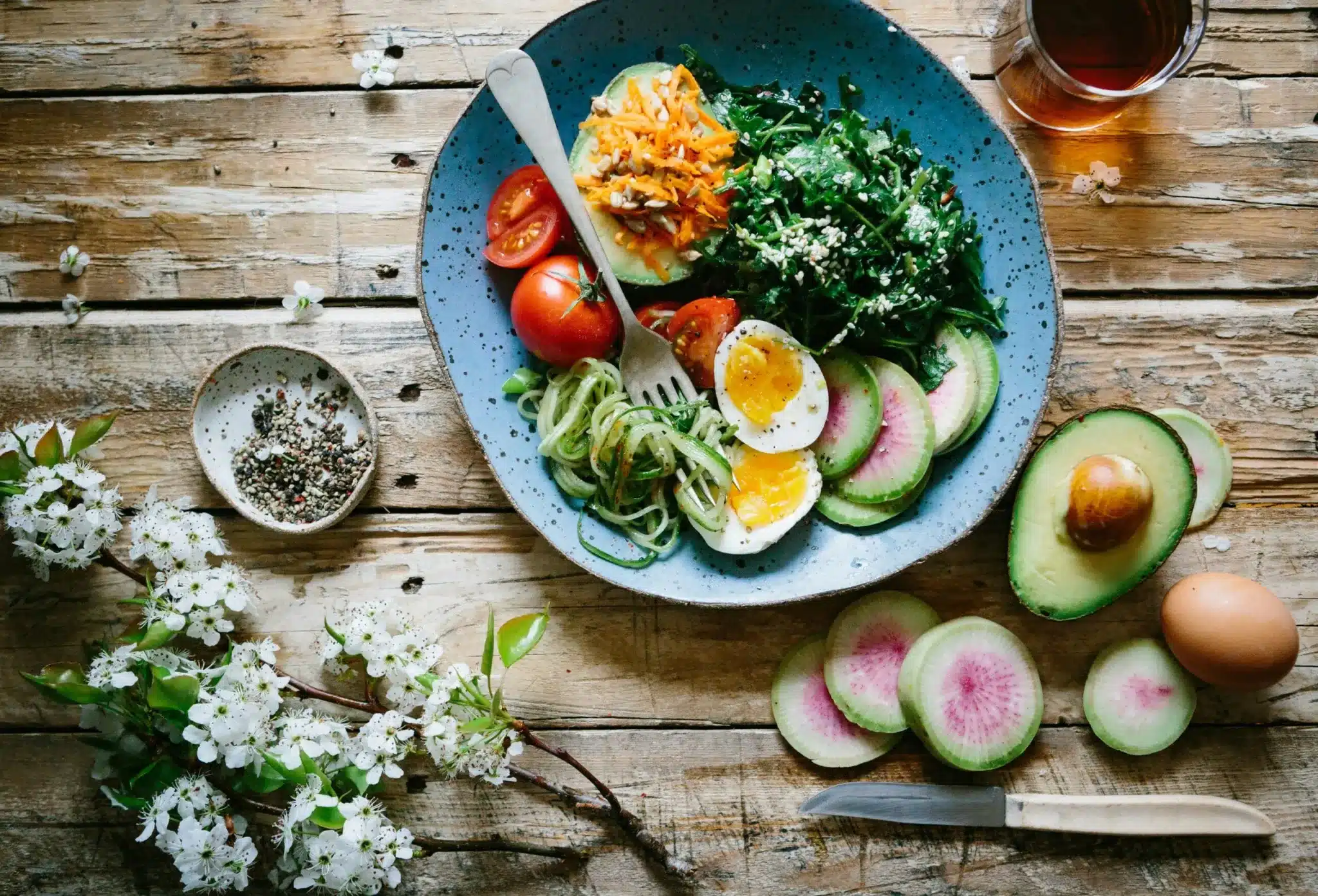
To support your body during menopause and promote hormonal balance, it is important to focus on a balanced diet that includes a variety of nutrient-dense foods. Here is a sample diet plan to help you navigate this phase of life with ease and grace:
Breakfast:
– Overnight oats with flaxseeds, berries, and almond butter
– Herbal tea or green tea
Lunch:
– Quinoa salad with chickpeas, mixed greens, cherry tomatoes, and avocado
– Lemon water or herbal tea
Snack:
– Greek yogurt with honey and walnuts
– Carrot sticks with hummus
Dinner:
– Baked salmon with roasted sweet potatoes and broccoli
– Herbal tea or ginger tea
Dessert:
– Dark chocolate squares with almonds
FAQs About Eating Your Way Through Menopause
Q: Are there any foods to avoid during menopause?
A: While there are no specific foods that need to be completely avoided during menopause, it is important to limit your intake of processed foods, sugary snacks, and refined carbohydrates, as these can exacerbate symptoms such as hot flashes, mood swings, and weight gain. Additionally, some women may find that certain foods, such as caffeine, alcohol, and spicy foods, can trigger hot flashes and should be consumed in moderation.
Q: Can supplements help manage menopausal symptoms?
A: While a balanced diet should be your primary source of essential nutrients, some women may benefit from taking supplements to support their overall health during menopause. Some common supplements that may be beneficial include omega-3 fatty acids, calcium, vitamin D, and magnesium. It is important to consult with a healthcare provider before starting any new supplements to ensure they are safe and appropriate for your individual needs.
Q: How can I manage weight gain during menopause?
A: Weight gain is a common symptom of menopause, and can be challenging to manage. To support healthy weight management during this phase of life, focus on a balanced diet that includes plenty of fruits, vegetables, whole grains, lean proteins, and healthy fats. Additionally, regular exercise, adequate sleep, and stress management techniques can help support weight management and overall well-being.
Q: Are there any specific diet plans or meal delivery services designed for menopausal women?
A: While there are no specific diet plans or meal delivery services designed specifically for menopausal women, many nutritionists and health coaches offer personalized meal plans and guidance tailored to the unique needs of women during menopause. Additionally, there are a variety of resources, such as books, websites, and online communities, that provide information and support for women navigating menopause through diet and lifestyle changes.
In conclusion, menopause is a natural phase of life that can be challenging to navigate, but with the right diet and lifestyle choices, you can support your body during this transition and promote hormonal balance. By focusing on nutrient-dense foods, such as phytoestrogen-rich foods, omega-3 fatty acids, antioxidants, and calcium-rich foods, you can help alleviate symptoms and support your overall health and well-being. Remember to consult with a healthcare provider or nutritionist to create a personalized diet plan that meets your individual needs and goals. With the right approach, you can eat your way through menopause with ease and grace.