Enhancing Mental Clarity through Ketosis: The Benefits of a Low-Carb Lifestyle
Introduction
In today’s fast-paced world, mental clarity is more important than ever. With the constant demands of work, family, and social life, it can be easy to feel overwhelmed and foggy-headed. Fortunately, there are ways to enhance mental clarity and improve cognitive function. One such method is through ketosis, a metabolic state where the body burns fat for fuel instead of carbohydrates. In this article, we will explore the benefits of a low-carb lifestyle for enhancing mental clarity and delve into the science behind ketosis.
What is Ketosis?
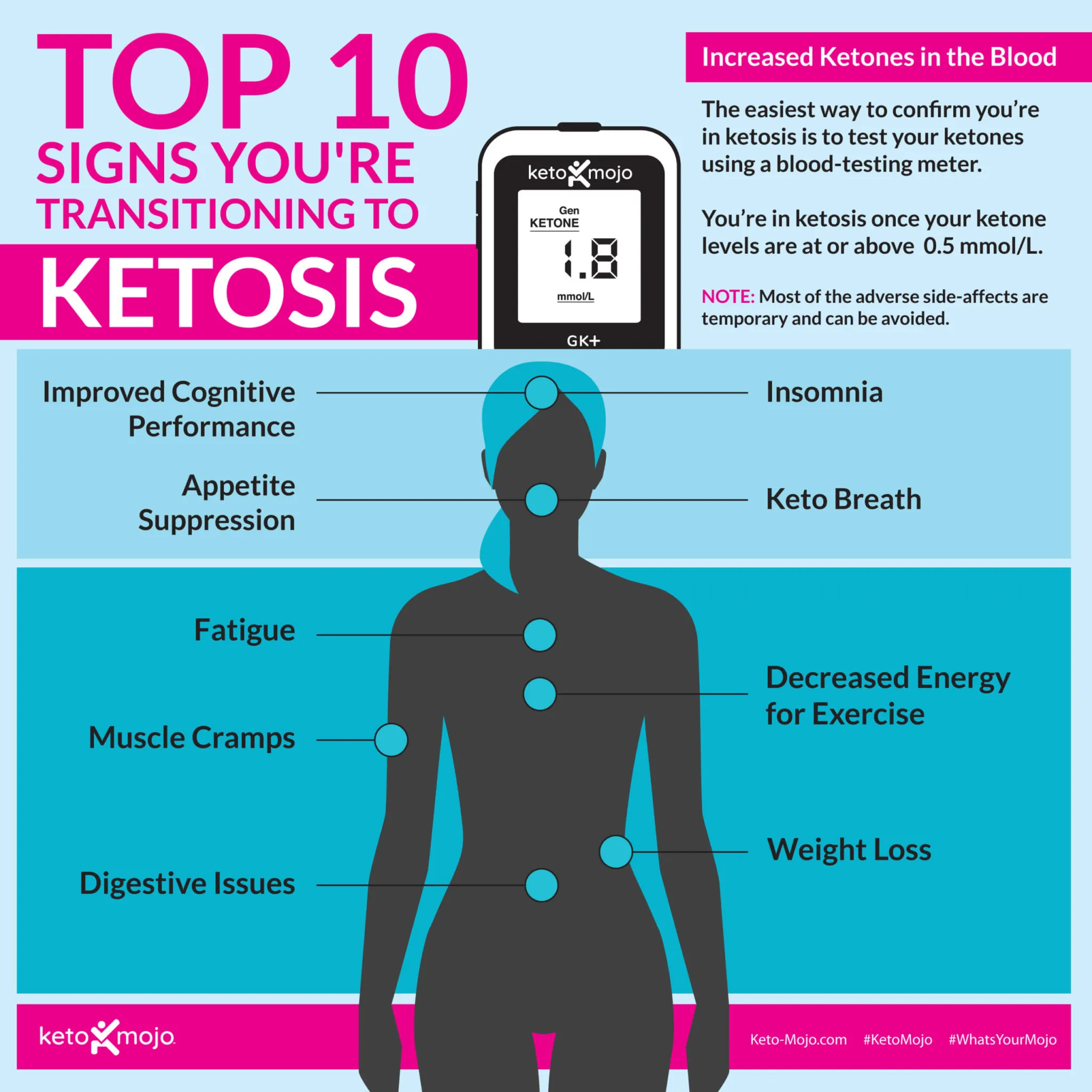
Ketosis is a natural metabolic state that occurs when the body has depleted its glycogen stores and starts burning fat for fuel instead of carbohydrates. This process typically occurs when the body is in a state of fasting or when carbohydrates are restricted in the diet. When the body enters ketosis, it produces ketones, which are a byproduct of fat metabolism. These ketones can be used by the brain as an alternative source of energy, which can lead to improved cognitive function and mental clarity.
Benefits of a Low-Carb Lifestyle for Mental Clarity
There are several benefits to adopting a low-carb lifestyle for enhancing mental clarity. Some of these benefits include:
1. Improved focus and concentration: By reducing the intake of carbohydrates and increasing the consumption of healthy fats, the brain can function more efficiently, leading to improved focus and concentration.
2. Enhanced memory and cognitive function: Ketones are a more stable and efficient source of energy for the brain compared to glucose. This can lead to improved memory retention and cognitive function.
3. Reduced brain fog: Many people experience brain fog, which is characterized by feelings of confusion, forgetfulness, and lack of mental clarity. By entering ketosis, individuals may experience reduced brain fog and a clearer mind.
4. Increased mental energy: Ketones provide a steady source of energy for the brain, which can lead to increased mental energy and alertness throughout the day.
5. Better mood and emotional well-being: Some studies have suggested that a low-carb, ketogenic diet may have a positive impact on mood and emotional well-being, potentially reducing symptoms of anxiety and depression.
Science Behind Ketosis and Mental Clarity
The science behind ketosis and its effects on mental clarity is still being researched, but there are several theories as to why a low-carb lifestyle may enhance cognitive function. One theory is that ketones provide a more stable and efficient source of energy for the brain compared to glucose. This can lead to improved focus, concentration, and mental clarity.
Another theory is that ketosis may reduce inflammation in the brain, which has been linked to cognitive decline and neurodegenerative diseases. By reducing inflammation, ketosis may protect the brain and improve cognitive function.
Additionally, ketosis has been shown to increase the production of brain-derived neurotrophic factor (BDNF), a protein that promotes the growth and survival of neurons. By increasing BDNF levels, ketosis may enhance neuroplasticity and cognitive function.
FAQs
Q: How long does it take to enter ketosis?
A: The time it takes to enter ketosis can vary from person to person, but typically it takes 2-4 days of restricting carbohydrates to reach ketosis.
Q: What foods should I eat on a low-carb, ketogenic diet?
A: Foods that are low in carbohydrates and high in healthy fats, such as avocados, nuts, seeds, olive oil, and fatty fish, are recommended on a ketogenic diet.
Q: Are there any side effects of ketosis?
A: Some people may experience initial side effects when transitioning to a low-carb, ketogenic diet, such as headaches, fatigue, and dizziness. These symptoms are often temporary and can be alleviated by staying hydrated and increasing electrolyte intake.
Q: Is a low-carb lifestyle safe for everyone?
A: While a low-carb lifestyle can be beneficial for many people, it may not be suitable for everyone, especially those with certain medical conditions such as diabetes or kidney disease. It is important to consult with a healthcare provider before making any significant changes to your diet.
Conclusion
In conclusion, enhancing mental clarity through ketosis and a low-carb lifestyle can have numerous benefits for cognitive function, focus, and overall well-being. By reducing the intake of carbohydrates and increasing the consumption of healthy fats, individuals may experience improved mental energy, memory, and mood. While the science behind ketosis and its effects on mental clarity is still being researched, there is promising evidence to suggest that a low-carb lifestyle may be a valuable tool for enhancing cognitive function. If you are interested in improving your mental clarity and overall brain health, consider incorporating a low-carb, ketogenic diet into your lifestyle and consult with a healthcare provider for personalized guidance.