Feeling Overwhelmed? Ketosis Might Be the Solution: How a Low-Carb Diet Can Help Combat Stress
In today’s fast-paced world, it’s no surprise that many people feel overwhelmed and stressed. From work deadlines to family responsibilities, it can sometimes feel like there’s just too much to handle. This constant state of stress can have a negative impact on both our physical and mental health, leading to a range of issues such as anxiety, depression, and even chronic diseases. But what if there was a simple way to combat this stress and improve our overall well-being?
Enter ketosis. Ketosis is a metabolic state in which the body burns fat for fuel instead of carbohydrates. This state is achieved through a low-carb diet, in which the consumption of carbohydrates is drastically reduced, forcing the body to turn to fat for energy. While ketosis is commonly associated with weight loss, research has shown that it can also have a positive impact on stress and anxiety levels.
In this article, we will explore how ketosis can help combat stress and improve mental well-being. We will discuss the science behind ketosis, its effects on the body, and how to achieve and maintain this metabolic state through a low-carb diet. We will also address common questions and concerns about ketosis and provide tips for incorporating a low-carb diet into your lifestyle.
The Science of Ketosis
To understand how ketosis can help combat stress, it’s important to first understand the science behind this metabolic state. Normally, the body relies on carbohydrates as its primary source of energy. When carbohydrates are consumed, they are broken down into glucose, which is used by the body’s cells for fuel. However, when carbohydrates are restricted, the body is forced to find an alternative source of energy.
In the absence of carbohydrates, the body begins to break down stored fat for energy. This process produces molecules called ketones, which can be used by the body as a fuel source. When the level of ketones in the blood reaches a certain threshold, the body enters a state of ketosis. In this state, the body becomes highly efficient at burning fat for fuel, leading to increased energy levels and improved mental clarity.
The Effects of Ketosis on Stress and Anxiety
So how exactly can ketosis help combat stress and anxiety? One of the key ways in which ketosis can improve mental well-being is through its effect on the brain. Research has shown that ketones can provide a more stable and efficient source of energy for the brain than glucose. This can lead to improved cognitive function, reduced brain fog, and enhanced mood.
Additionally, ketosis has been shown to have anti-inflammatory effects on the body. Chronic inflammation is a common factor in many mental health conditions, including stress and anxiety. By reducing inflammation, ketosis may help to alleviate symptoms of stress and anxiety and improve overall mental well-being.
Furthermore, the ketogenic diet, which is the most common way to achieve ketosis, has been shown to have a positive impact on neurotransmitters in the brain. Neurotransmitters are chemical messengers that play a crucial role in regulating mood and emotions. By stabilizing neurotransmitter levels, the ketogenic diet may help to reduce feelings of stress and anxiety.
Achieving and Maintaining Ketosis
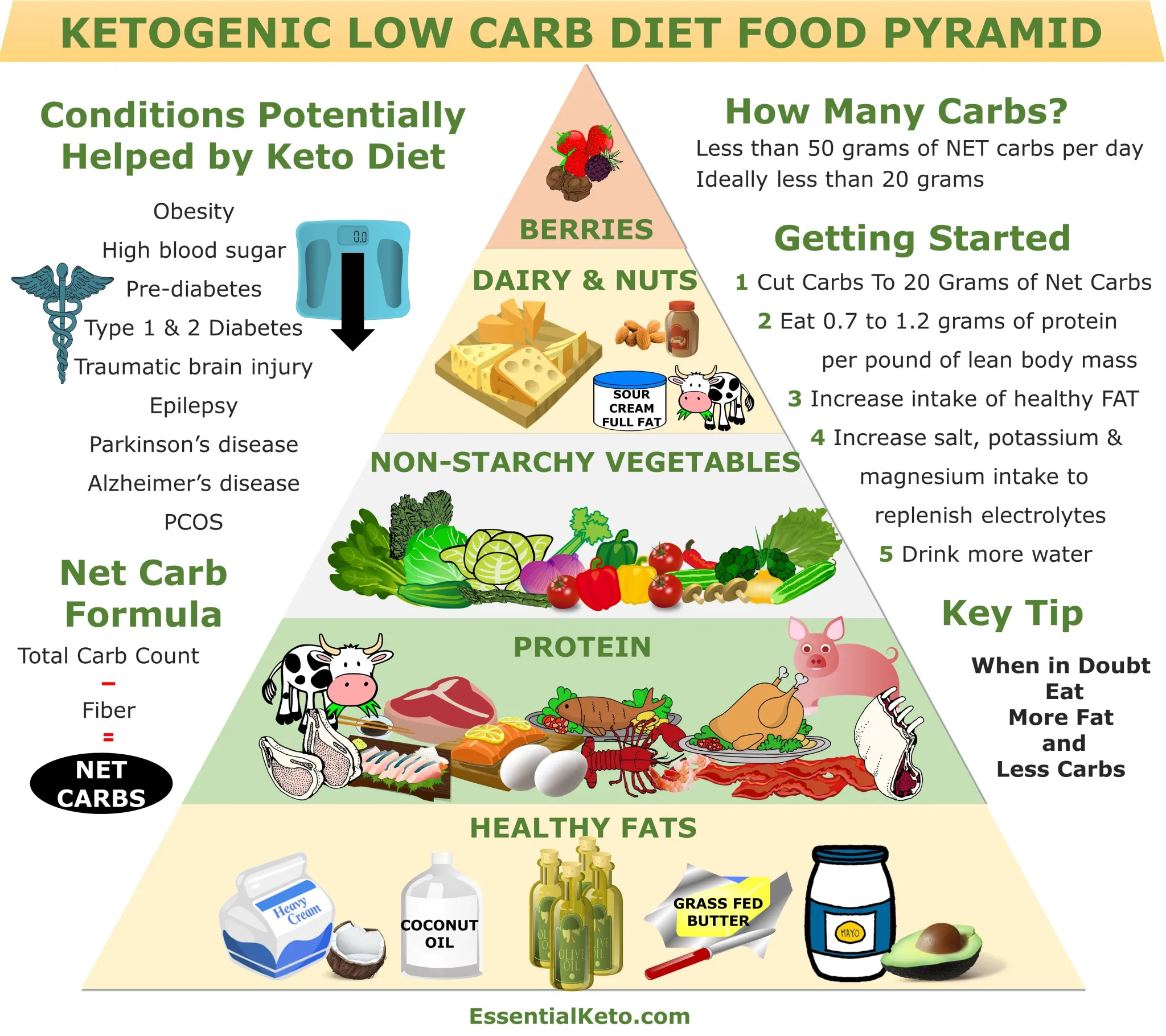
So how can you achieve and maintain ketosis to experience these benefits for yourself? The key to entering ketosis is to drastically reduce your carbohydrate intake. Most experts recommend consuming no more than 50 grams of carbohydrates per day to achieve ketosis. This means cutting out high-carb foods such as bread, pasta, rice, and sugary snacks.
Instead, focus on consuming high-fat, moderate-protein foods such as meat, fish, eggs, nuts, and healthy oils. These foods will provide your body with the necessary nutrients to stay in ketosis while keeping your carb intake low. It’s also important to stay hydrated and to eat plenty of non-starchy vegetables to ensure you’re getting a good balance of nutrients.
In addition to diet, incorporating regular exercise into your routine can help to enhance the effects of ketosis on stress and anxiety. Exercise has been shown to have numerous benefits for mental health, including reducing stress levels and improving mood. By combining a low-carb diet with regular physical activity, you can maximize the positive effects of ketosis on your mental well-being.
Common Questions and Concerns
As with any diet or lifestyle change, there are bound to be questions and concerns about ketosis. Here are some common FAQs about ketosis and the ketogenic diet:
1. Is ketosis safe for everyone?
While ketosis is generally safe for most people, it’s important to consult with a healthcare provider before making any significant changes to your diet. Certain medical conditions, such as diabetes or kidney disease, may require special considerations when following a low-carb diet.
2. Will I lose muscle mass on a ketogenic diet?
When done correctly, a ketogenic diet can help to preserve muscle mass while promoting fat loss. By consuming an adequate amount of protein and engaging in regular strength training, you can minimize muscle loss while in ketosis.
3. Can I eat carbs occasionally and still stay in ketosis?
While it’s possible to occasionally consume small amounts of carbohydrates and still stay in ketosis, it’s best to avoid high-carb foods altogether to maintain a consistent state of ketosis.
4. How long does it take to enter ketosis?
The time it takes to enter ketosis can vary from person to person, but most people will enter ketosis within 2-7 days of starting a low-carb diet.
5. Are there any side effects of ketosis?
Some people may experience temporary side effects when first entering ketosis, such as headaches, fatigue, or digestive issues. These symptoms are often referred to as the “keto flu” and typically subside within a few days.
In conclusion, feeling overwhelmed and stressed is a common experience in today’s fast-paced world. However, by incorporating a low-carb diet and achieving ketosis, you may be able to combat stress and improve your mental well-being. Ketosis has been shown to have a range of benefits for mental health, including improved cognitive function, reduced inflammation, and stabilized neurotransmitter levels.
By following a low-carb diet, engaging in regular exercise, and seeking guidance from a healthcare provider, you can experience the positive effects of ketosis on stress and anxiety. The ketogenic diet may not be suitable for everyone, so it’s important to consult with a healthcare provider before making any significant changes to your diet. With the right approach, ketosis could be the solution you’ve been looking for to combat stress and improve your overall well-being.