Fibermaxxing: How to Eat More Fiber (Without the Bloat)
Disclosure: As an Amazon Associate we earn from qualifying purchases made through links in this article, at no extra cost to you. Learn more
“Fibermaxxing” is one of the biggest food trends on social media: adding fiber to every meal instead of cutting foods out. It’s one trend nutrition experts actually like, because most people eat far too little fiber. Here’s how much you need, the easiest foods to add, and how to increase fiber without the bloating.
In this article (7 sections)
What is fibermaxxing?
Fibermaxxing means deliberately building meals around high-fiber foods: beans, lentils, whole grains, fruit, vegetables, nuts and seeds. A spoon of chia in your yogurt, beans in your salad, berries on your oatmeal. The goal is simply to reach the recommended daily amount, which most adults miss by a wide margin.
How much fiber do you need?
The Dietary Guidelines for Americans recommend about 14 grams of fiber for every 1,000 calories. That works out to roughly:
- Women: about 22–28 grams a day, depending on age
- Men: about 28–34 grams a day, depending on age
Yet studies estimate that only about 5% of Americans reach their fiber target, and the typical adult gets around half of what they need.
Why fiber matters
- Gut health: many fibers feed the beneficial bacteria in your gut, which produce compounds that help keep the gut lining healthy. More in our gut health tips.
- Regularity: fiber adds bulk and helps prevent constipation.
- Fullness: high-fiber meals are more filling, which can make it easier to eat less without feeling deprived.
- Cholesterol and blood sugar: soluble fiber (oats, beans, psyllium) can help lower LDL cholesterol and slows how quickly sugar enters the blood.
- Long-term health: a large 2019 review in The Lancet found people eating 25–29 grams a day had lower rates of heart disease, stroke, type 2 diabetes and colorectal cancer than those eating the least. These are associations, but they’re consistent across many studies.
The easiest high-fiber foods
| Food | Serving | Fiber (approx.) |
|---|---|---|
| Lentils, cooked | ½ cup | 8 g |
| Black beans, cooked | ½ cup | 7.5 g |
| Chia seeds | 2 tablespoons | 8–10 g |
| Raspberries | 1 cup | 8 g |
| Pear, with skin | 1 medium | 5.5 g |
| Avocado | ½ fruit | 5 g |
| Broccoli, cooked | 1 cup | 5 g |
| Oatmeal, cooked | 1 cup | 4 g |
| Ground flaxseed | 2 tablespoons | 4 g |
| Almonds | 1 ounce (about 23) | 3.5 g |
| Popcorn, air-popped | 3 cups | 3.5 g |
A simple 30-gram fibermaxxing day
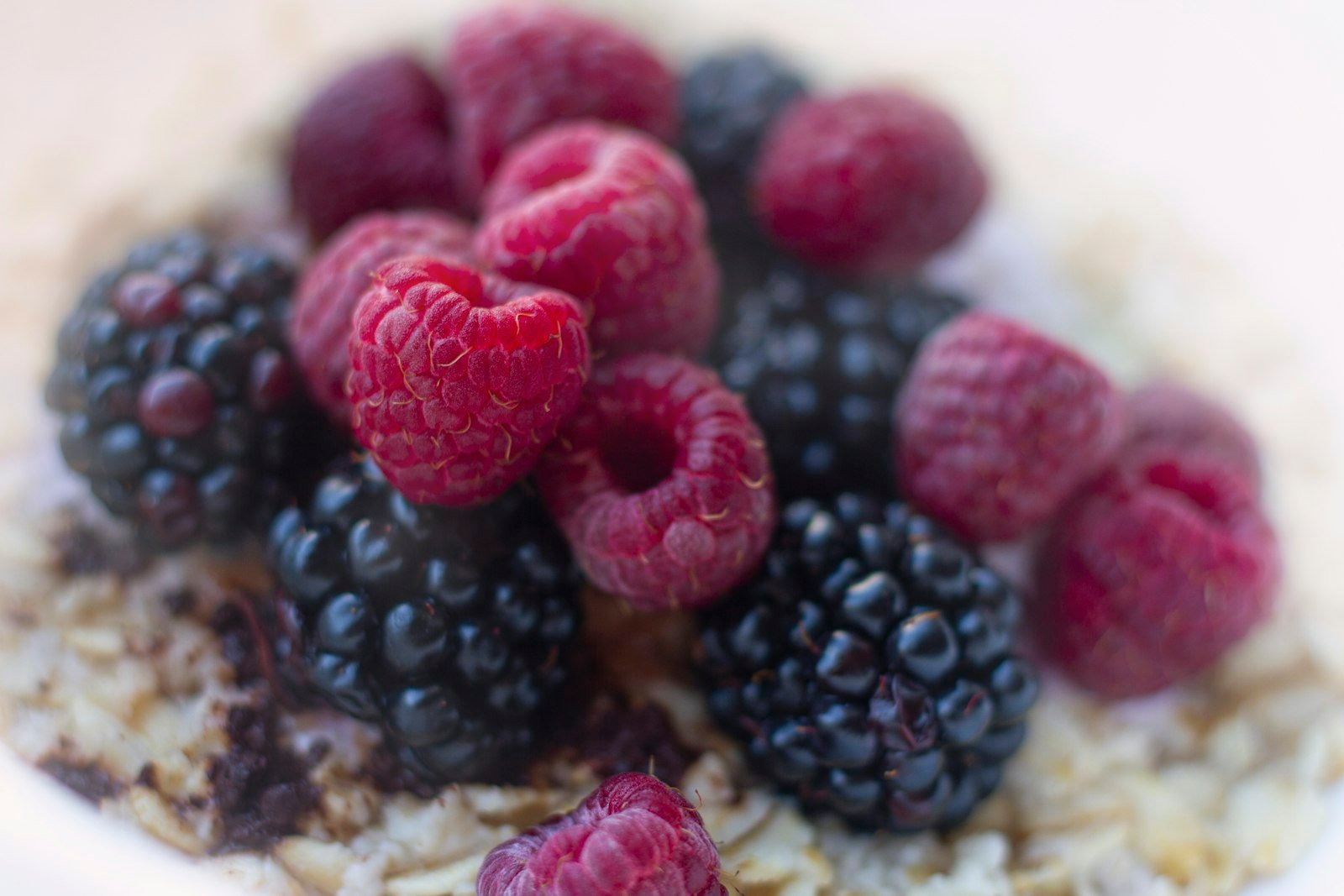
- Breakfast: 1 cup oatmeal with ½ cup raspberries and 1 tablespoon chia (about 12 g)
- Lunch: salad or wrap with ½ cup black beans and ½ avocado (about 12 g)
- Snack: a pear (about 5.5 g)
- Dinner: add a cup of broccoli or other vegetables to any main (about 5 g)
How to increase fiber without bloating
- Go slowly. Add a few grams a day each week rather than doubling overnight. A sudden jump is what causes gas, cramps and bloating.
- Drink more water. Fiber works best with plenty of fluid. Without it, fiber can make constipation worse.
- Spread it out across meals instead of one giant serving.
- Choose food first. Whole foods bring vitamins, minerals and a mix of fiber types that supplements don’t.
- Don’t overdo it. “Maxxing” doesn’t mean unlimited. Very high amounts can cause discomfort and may reduce absorption of some minerals.
Check with your doctor first if you have IBS, Crohn’s disease or another digestive condition, have had bowel surgery, or take medications. Fiber supplements like psyllium can affect how some medicines are absorbed, so take them at least 2 hours apart.
Pantry staples that make it easy
- Chia seeds: stir into yogurt, oatmeal or smoothies
- Ground flaxseed: easy to add to baking and cereal
- Psyllium husk powder: a simple soluble-fiber boost if food alone isn’t enough (start with a small dose)
- Low-sodium canned lentils and beans: no soaking required
Amazon links go to search results so you can compare current options; product photos aren’t shown. Prices and availability change. Fiber supplements haven’t been evaluated by the FDA to diagnose, treat, cure or prevent any disease.
Related reading
- Gut health tips that actually help
- Everyday habits for a healthy liver
- Mediterranean vs keto: which is better?
- Liver & gut health hub
Sources
- Dietary Guidelines for Americans
- Reynolds A, et al. Carbohydrate quality and human health: a series of systematic reviews and meta-analyses. Lancet. 2019
- Quagliani D, Felt-Gunderson P. Closing America’s fiber intake gap. Am J Lifestyle Med. 2017
- Harvard T.H. Chan School of Public Health: Fiber
- Mayo Clinic: Dietary fiber, essential for a healthy diet
- USDA FoodData Central
This article is for general information only and isn’t medical advice. See our medical disclaimer.