Menopause is a natural phase in a woman’s life that typically occurs in her late 40s to early 50s. During this time, the body undergoes significant hormonal changes, which can lead to a variety of symptoms, including night sweats. Night sweats are episodes of excessive sweating that occur during sleep, often causing discomfort and disrupting a woman’s rest.
While night sweats are a common symptom of menopause, they can be quite bothersome and affect a woman’s quality of life. Fortunately, there are several strategies that can help women find relief from night sweats and improve their sleep. In this article, we will explore some tips for dealing with night sweats in menopause and provide answers to frequently asked questions about this common symptom.
Understanding Night Sweats in Menopause
Night sweats are a common symptom of menopause, affecting up to 75% of women during this transition. They are characterized by episodes of excessive sweating that occur during sleep, often leading to damp bedclothes and disrupted sleep. Night sweats are caused by hormonal fluctuations that occur during menopause, specifically a decrease in estrogen levels. Estrogen plays a role in regulating body temperature, and when levels drop, it can lead to fluctuations in body temperature, resulting in night sweats.
In addition to hormonal changes, other factors can contribute to night sweats in menopause, including stress, anxiety, and lifestyle habits such as smoking, alcohol consumption, and caffeine intake. Certain medications and medical conditions can also trigger night sweats in menopausal women.
Tips for Dealing with Night Sweats in Menopause
While night sweats can be bothersome, there are several strategies that can help women find relief and improve their sleep quality. Here are some tips for dealing with night sweats in menopause:
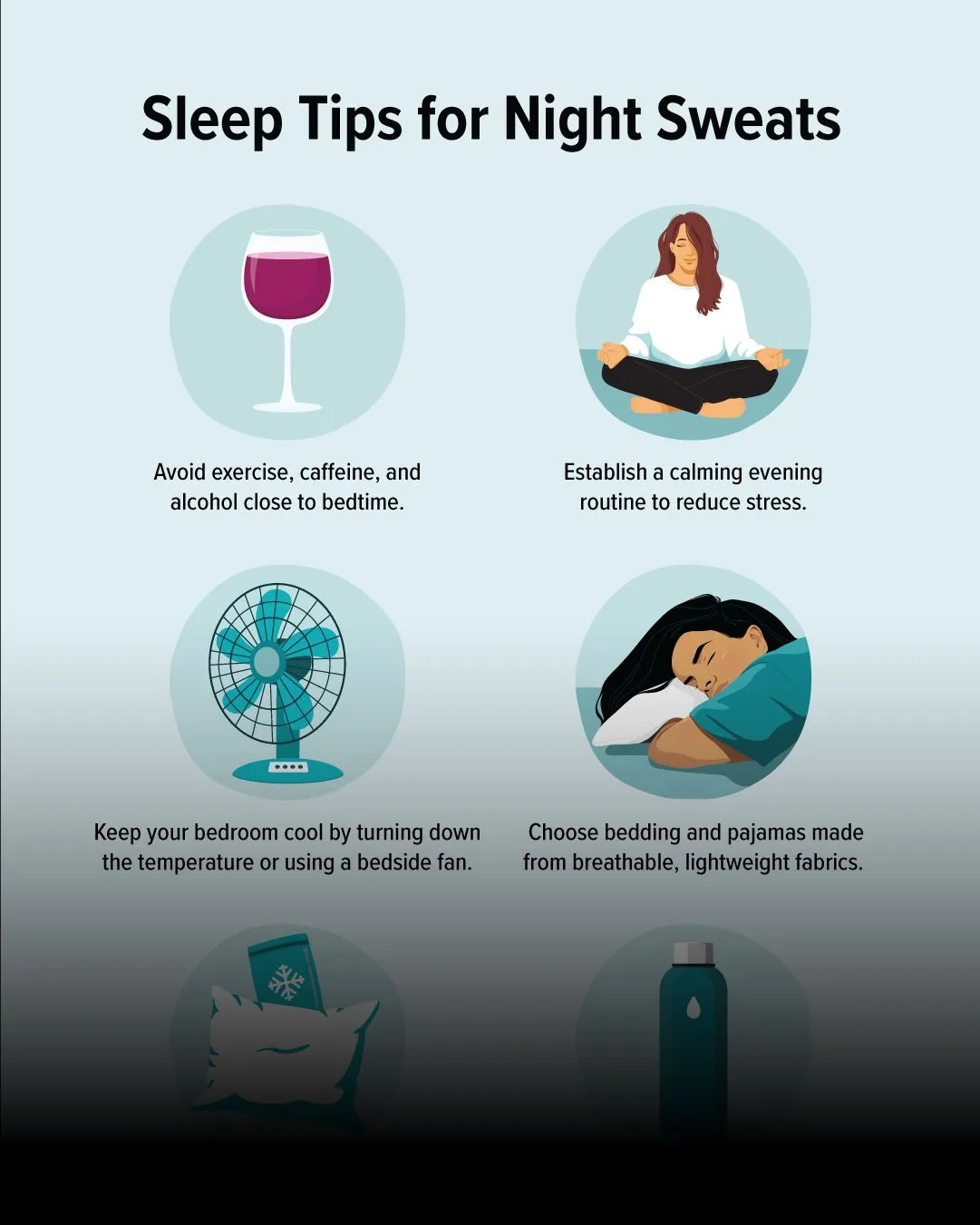
1. Dress in layers: Wearing lightweight, breathable fabrics such as cotton or linen can help regulate body temperature and reduce the risk of overheating during sleep. Dressing in layers allows you to easily adjust your clothing as needed throughout the night.
2. Use moisture-wicking bedding: Investing in moisture-wicking bedding, such as sheets and pillowcases made from breathable materials like bamboo or microfiber, can help absorb excess sweat and keep you cool and comfortable during sleep.
3. Keep your bedroom cool: Maintaining a cool bedroom temperature can help prevent overheating and reduce the frequency and intensity of night sweats. Consider using a fan or air conditioning to create a comfortable sleeping environment.
4. Practice relaxation techniques: Stress and anxiety can exacerbate night sweats, so practicing relaxation techniques such as deep breathing, meditation, or yoga before bed can help calm your mind and body and promote restful sleep.
5. Stay hydrated: Drinking plenty of water throughout the day can help regulate body temperature and prevent dehydration, which can contribute to night sweats. Avoid consuming caffeine and alcohol close to bedtime, as they can disrupt sleep and trigger night sweats.
6. Maintain a healthy lifestyle: Eating a balanced diet, exercising regularly, and avoiding smoking can help regulate hormones and improve overall health, reducing the frequency and severity of night sweats.
7. Consider hormone replacement therapy: For women experiencing severe or persistent night sweats, hormone replacement therapy (HRT) may be recommended to help balance hormone levels and alleviate symptoms. It is important to discuss the risks and benefits of HRT with your healthcare provider before starting treatment.
Frequently Asked Questions about Night Sweats in Menopause
Q: Are night sweats in menopause normal?
A: Yes, night sweats are a common symptom of menopause, affecting up to 75% of women during this transition. They are caused by hormonal fluctuations that occur as estrogen levels decline.
Q: How long do night sweats typically last in menopause?
A: Night sweats can vary in duration and intensity, but they typically occur for several years during perimenopause and menopause. In some cases, night sweats may persist for several years after menopause.
Q: Can night sweats be a sign of a more serious medical condition?
A: While night sweats are commonly associated with menopause, they can also be a symptom of other medical conditions, such as thyroid disorders, infections, or certain cancers. It is important to consult with your healthcare provider if you are experiencing persistent or severe night sweats.
Q: Are there any natural remedies for night sweats in menopause?
A: Some women find relief from night sweats by using natural remedies such as black cohosh, soy isoflavones, or vitamin E supplements. It is important to discuss these options with your healthcare provider before trying them.
Q: Can lifestyle changes help reduce night sweats in menopause?
A: Yes, making lifestyle changes such as maintaining a healthy diet, staying hydrated, exercising regularly, and managing stress can help reduce the frequency and severity of night sweats in menopause.
In conclusion, night sweats are a common symptom of menopause that can be bothersome and affect a woman’s quality of life. By following the tips outlined in this article and consulting with your healthcare provider, you can find relief from night sweats and improve your sleep quality during this transitional phase. Remember that night sweats are a normal part of menopause and can be managed effectively with the right strategies and support.