From Cravings to Concerns: Managing a Keto Pregnancy
Pregnancy is a time of joy and anticipation, but it can also be a time of worry and uncertainty. For women who follow a ketogenic diet, there may be additional concerns and questions about how to safely navigate pregnancy while maintaining their low-carb lifestyle. In this article, we will explore the benefits and challenges of a keto pregnancy, as well as provide tips and strategies for managing cravings, concerns, and overall health during this special time.
What is a Ketogenic Diet?
A ketogenic diet is a high-fat, moderate-protein, low-carbohydrate eating plan that has gained popularity in recent years for its potential health benefits. The goal of the diet is to shift the body into a state of ketosis, where it burns fat for fuel instead of carbohydrates. This can lead to weight loss, improved blood sugar control, and increased energy levels.
While the ketogenic diet has been studied extensively in relation to weight loss and metabolic health, there is limited research on its safety and efficacy during pregnancy. Some experts caution that the diet may not provide enough nutrients for the developing baby, while others argue that it can be a healthy and safe option for pregnant women, especially those with conditions like gestational diabetes.
Benefits of a Keto Pregnancy
There are several potential benefits to following a ketogenic diet during pregnancy. Some women report experiencing fewer cravings and less morning sickness when they are in ketosis, which can make it easier to stick to a healthy eating plan. The diet may also help to stabilize blood sugar levels and reduce the risk of gestational diabetes, a common pregnancy complication.
Additionally, the ketogenic diet is rich in nutrients like healthy fats, protein, and fiber, which are important for the developing baby’s growth and development. Some studies suggest that a low-carb diet may even be protective against certain birth defects and complications, although more research is needed to confirm these findings.
Challenges of a Keto Pregnancy
Despite its potential benefits, a ketogenic diet during pregnancy can also pose challenges and risks. One concern is that the diet may not provide enough calories or nutrients for the growing baby, leading to deficiencies in important vitamins and minerals. Pregnant women following a keto diet may need to work with a healthcare provider or dietitian to ensure they are getting all the nutrients they need for a healthy pregnancy.
Another challenge of a keto pregnancy is managing cravings and food aversions, which can be difficult when many traditional pregnancy foods are off-limits on a low-carb diet. Finding satisfying and nutrient-dense alternatives to common pregnancy cravings, like ice cream or bread, can help pregnant women stay on track with their eating plan.
Tips for Managing a Keto Pregnancy
If you are considering a ketogenic diet during pregnancy, it is important to consult with a healthcare provider or dietitian to ensure that you are meeting your nutritional needs. Here are some tips for managing a keto pregnancy:
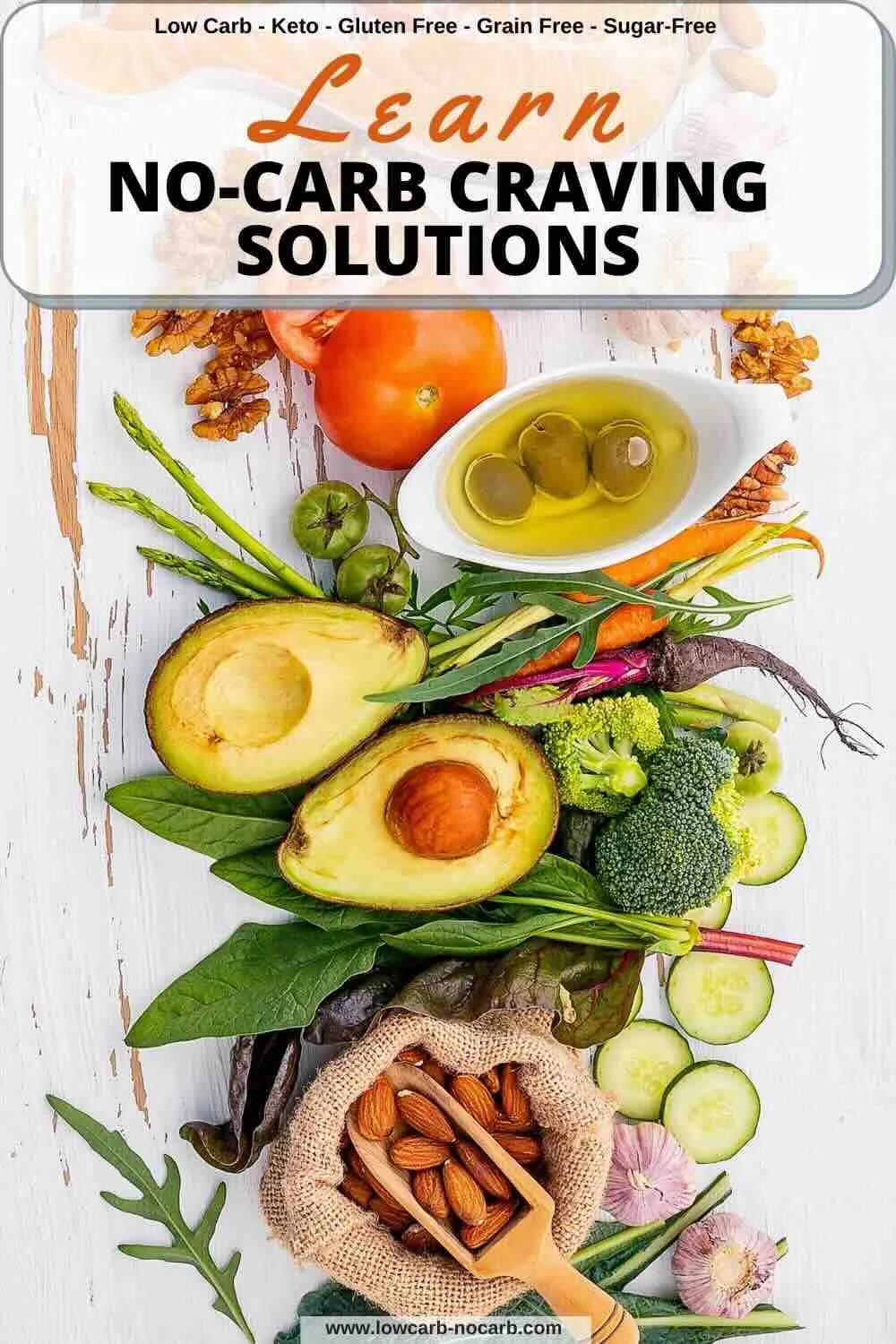
1. Focus on nutrient-dense foods: Choose a variety of healthy fats, proteins, and vegetables to ensure you are getting all the essential nutrients for a healthy pregnancy. Include foods like avocados, nuts, seeds, fatty fish, and leafy greens in your diet.
2. Stay hydrated: Drinking plenty of water is important for overall health and can help to reduce cravings and prevent dehydration, which can be common during pregnancy. Aim to drink at least 8-10 glasses of water per day.
3. Monitor your blood sugar levels: If you have gestational diabetes or are at risk for developing it, it is important to monitor your blood sugar levels regularly and make adjustments to your diet as needed. A ketogenic diet can help to stabilize blood sugar levels, but it is important to work closely with a healthcare provider to ensure you are managing your condition effectively.
4. Listen to your body: Pay attention to your hunger and fullness cues, and eat when you are hungry and stop when you are full. Pregnancy can bring on strong cravings and aversions, so it is important to listen to your body and make adjustments to your diet as needed.
5. Get plenty of rest: Pregnancy can be exhausting, especially in the first trimester when fatigue is common. Make sure you are getting enough rest and taking care of yourself to support a healthy pregnancy.
FAQs
1. Is it safe to follow a ketogenic diet during pregnancy?
The safety of a ketogenic diet during pregnancy is still a topic of debate among experts. Some studies suggest that a low-carb diet may be beneficial for pregnant women, especially those with conditions like gestational diabetes. However, more research is needed to confirm these findings and determine the long-term effects of a keto pregnancy on the developing baby.
2. What are some common pregnancy cravings on a ketogenic diet?
Some common pregnancy cravings on a ketogenic diet include cheese, nuts, avocado, and fatty meats. These foods are high in healthy fats and protein, which can help to satisfy cravings and provide essential nutrients for a healthy pregnancy.
3. How can I manage morning sickness on a ketogenic diet?
If you are experiencing morning sickness, try eating small, frequent meals throughout the day and avoiding foods that trigger nausea. Ginger tea, peppermint tea, and lemon water can also help to alleviate symptoms of morning sickness.
4. Can I take supplements on a ketogenic diet during pregnancy?
It is important to consult with a healthcare provider before taking any supplements during pregnancy, as some may not be safe for the developing baby. A prenatal vitamin is often recommended to ensure you are getting all the essential nutrients for a healthy pregnancy.
In conclusion, a ketogenic diet can be a safe and healthy option for pregnant women, but it is important to consult with a healthcare provider or dietitian to ensure you are meeting your nutritional needs. By focusing on nutrient-dense foods, staying hydrated, monitoring blood sugar levels, listening to your body, and getting plenty of rest, you can successfully manage a keto pregnancy and support a healthy pregnancy for you and your baby.