From Epilepsy to Alzheimer’s: The Potential of Keto for Neurological Disorders
Introduction
Neurological disorders are a significant burden on individuals and society as a whole. From epilepsy to Alzheimer’s disease, these conditions can greatly impact a person’s quality of life and cognitive function. While traditional treatments for neurological disorders often focus on medication and therapy, there is growing interest in the potential of the ketogenic diet as a therapeutic intervention.
The ketogenic diet, commonly referred to as keto, is a high-fat, low-carbohydrate eating plan that has gained popularity in recent years for its potential health benefits. Originally developed to treat epilepsy in children, the ketogenic diet has since been studied for its potential effects on a range of neurological disorders, including Alzheimer’s disease, Parkinson’s disease, and multiple sclerosis.
In this article, we will explore the potential of the ketogenic diet for neurological disorders, focusing on its mechanisms of action, current research findings, and practical considerations for implementing a keto diet for neurological health. We will also address common questions and concerns surrounding the use of the ketogenic diet for neurological disorders.
Mechanisms of Action
The ketogenic diet works by shifting the body’s primary source of energy from carbohydrates to fats. When carbohydrate intake is restricted, the body enters a metabolic state known as ketosis, in which it produces ketones as an alternative fuel source. Ketones are produced by the liver from fatty acids, and can cross the blood-brain barrier to provide energy to the brain.
One of the key mechanisms of action of the ketogenic diet in neurological disorders is its ability to reduce inflammation and oxidative stress in the brain. Inflammation and oxidative stress are common features of many neurological disorders, and can contribute to neuronal damage and cognitive decline. The ketones produced during ketosis have been shown to have anti-inflammatory and antioxidant effects, which may help protect against neurodegeneration.
The ketogenic diet also has neuroprotective effects, including promoting the production of brain-derived neurotrophic factor (BDNF), a protein that supports the growth and survival of neurons. BDNF is important for neuroplasticity, the brain’s ability to adapt and reorganize in response to new experiences or injury. By increasing BDNF levels, the ketogenic diet may help improve cognitive function and protect against neurodegenerative diseases.
Research Findings
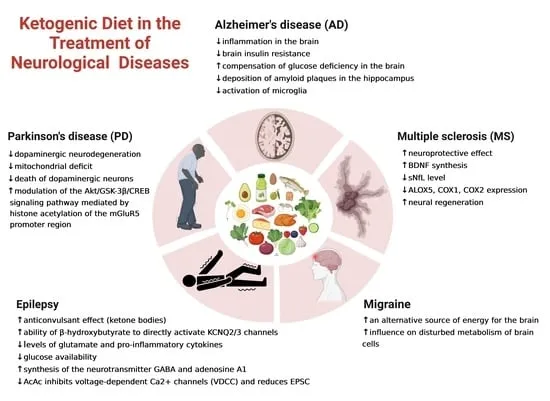
Research on the ketogenic diet for neurological disorders is still in its early stages, but there is growing evidence to support its potential benefits. One of the most well-established applications of the ketogenic diet is in the treatment of epilepsy, particularly in children with drug-resistant epilepsy. Several clinical trials have shown that the ketogenic diet can significantly reduce seizure frequency and improve seizure control in children with epilepsy.
In addition to epilepsy, research has also explored the potential of the ketogenic diet for Alzheimer’s disease. Alzheimer’s disease is a progressive neurodegenerative disorder characterized by cognitive decline and memory loss. Studies in animal models of Alzheimer’s disease have shown that the ketogenic diet can improve cognitive function, reduce amyloid beta plaques in the brain, and protect against neuronal damage.
There is also emerging evidence to suggest that the ketogenic diet may have potential applications in other neurological disorders, such as Parkinson’s disease and multiple sclerosis. Preliminary studies have shown that the ketogenic diet may improve motor symptoms and quality of life in patients with Parkinson’s disease, and reduce inflammation and demyelination in animal models of multiple sclerosis.
Practical Considerations
While the ketogenic diet shows promise as a therapeutic intervention for neurological disorders, it is important to consider the practicalities of implementing a keto diet for neurological health. The ketogenic diet is a restrictive eating plan that requires careful monitoring of macronutrient intake, particularly carbohydrates and fats. It is important to work with a healthcare provider or dietitian to ensure that the diet is balanced and meets individual nutritional needs.
It is also important to consider potential side effects of the ketogenic diet, particularly in the initial stages of adaptation. Common side effects of the ketogenic diet, known as the “keto flu,” can include fatigue, headaches, and digestive issues. These symptoms typically resolve within a few weeks as the body adjusts to ketosis, but it is important to monitor for any signs of nutrient deficiencies or metabolic imbalances.
In addition to dietary considerations, it is also important to consider lifestyle factors that may impact the effectiveness of the ketogenic diet for neurological health. Regular physical activity, adequate sleep, and stress management are all important components of a healthy lifestyle that can support the benefits of the ketogenic diet for neurological disorders.
FAQs
Q: Is the ketogenic diet safe for people with neurological disorders?
A: The ketogenic diet is generally considered safe for most people with neurological disorders, but it is important to work with a healthcare provider or dietitian to ensure that the diet is appropriate for individual needs. People with certain medical conditions, such as pancreatitis or liver disease, may need to avoid or modify the ketogenic diet.
Q: How long does it take to see results from the ketogenic diet for neurological disorders?
A: The timeline for seeing results from the ketogenic diet can vary depending on the individual and the specific neurological disorder. Some people may experience improvements in symptoms within a few weeks of starting the diet, while others may require several months to see significant changes.
Q: Can the ketogenic diet be used as a standalone treatment for neurological disorders?
A: The ketogenic diet is not a cure-all for neurological disorders, and should be used in conjunction with other treatment modalities, such as medication and therapy. It is important to work with a healthcare provider to develop a comprehensive treatment plan that addresses the underlying causes and symptoms of the neurological disorder.
Q: Are there any long-term risks associated with the ketogenic diet for neurological disorders?
A: Long-term studies on the safety and efficacy of the ketogenic diet for neurological disorders are still ongoing, but there is some evidence to suggest that the diet may have potential risks, such as nutrient deficiencies or metabolic imbalances. It is important to monitor for any signs of adverse effects and work with a healthcare provider to address any concerns.
Conclusion
The ketogenic diet shows promise as a therapeutic intervention for neurological disorders, including epilepsy, Alzheimer’s disease, Parkinson’s disease, and multiple sclerosis. The diet’s mechanisms of action, including reducing inflammation, promoting neuroprotection, and improving cognitive function, make it a promising candidate for supporting brain health and function.
While research on the ketogenic diet for neurological disorders is still in its early stages, there is growing evidence to support its potential benefits. Practical considerations, such as monitoring macronutrient intake, side effects, and lifestyle factors, are important for ensuring the safety and effectiveness of the diet for neurological health.
As our understanding of the ketogenic diet and its effects on neurological disorders continues to grow, it is important to work with healthcare providers and researchers to further explore the potential of this dietary intervention for improving brain health and quality of life for individuals with neurological disorders.

:max_bytes(150000):strip_icc()/what-is-a-ketogenic-diet-2241628_final3-5b364771c9e77c00374825f0.png "From Seizures to Stability: How the Keto Diet is Transforming Epilepsy Treatment")