From Hormone Therapy to Herbal Supplements: Exploring Effective Treatments for Hot Flashes
Hot flashes are a common symptom experienced by many women during menopause. These sudden feelings of intense heat, sweating, and flushing can be uncomfortable and disruptive to daily life. While hot flashes are a natural part of the menopausal transition, many women seek relief from these symptoms through various treatments. From hormone therapy to herbal supplements, there are a variety of options available to help manage hot flashes. In this article, we will explore the effectiveness of different treatments for hot flashes and provide information on how to choose the right treatment for you.
Hormone Therapy
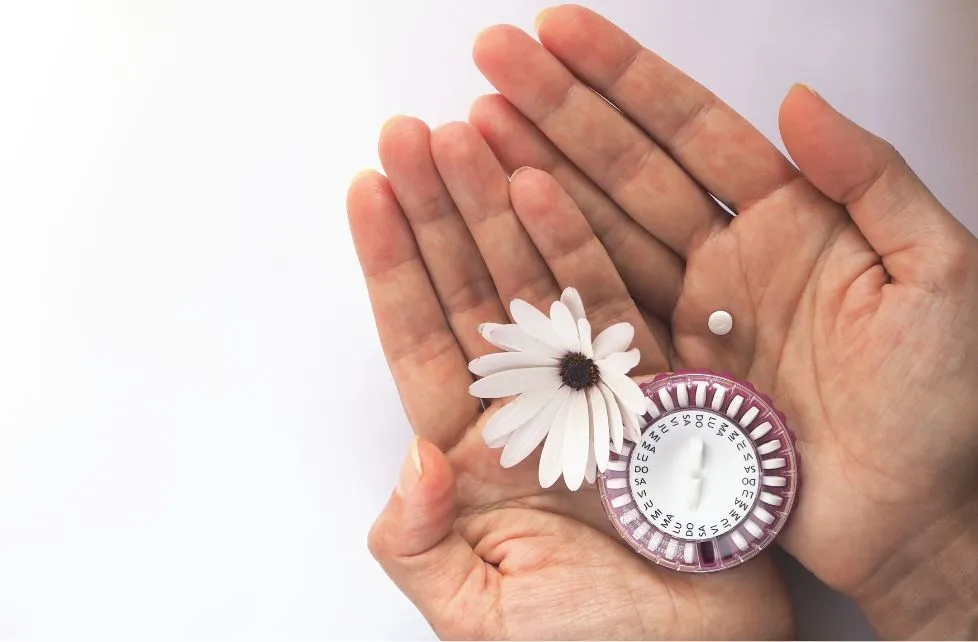
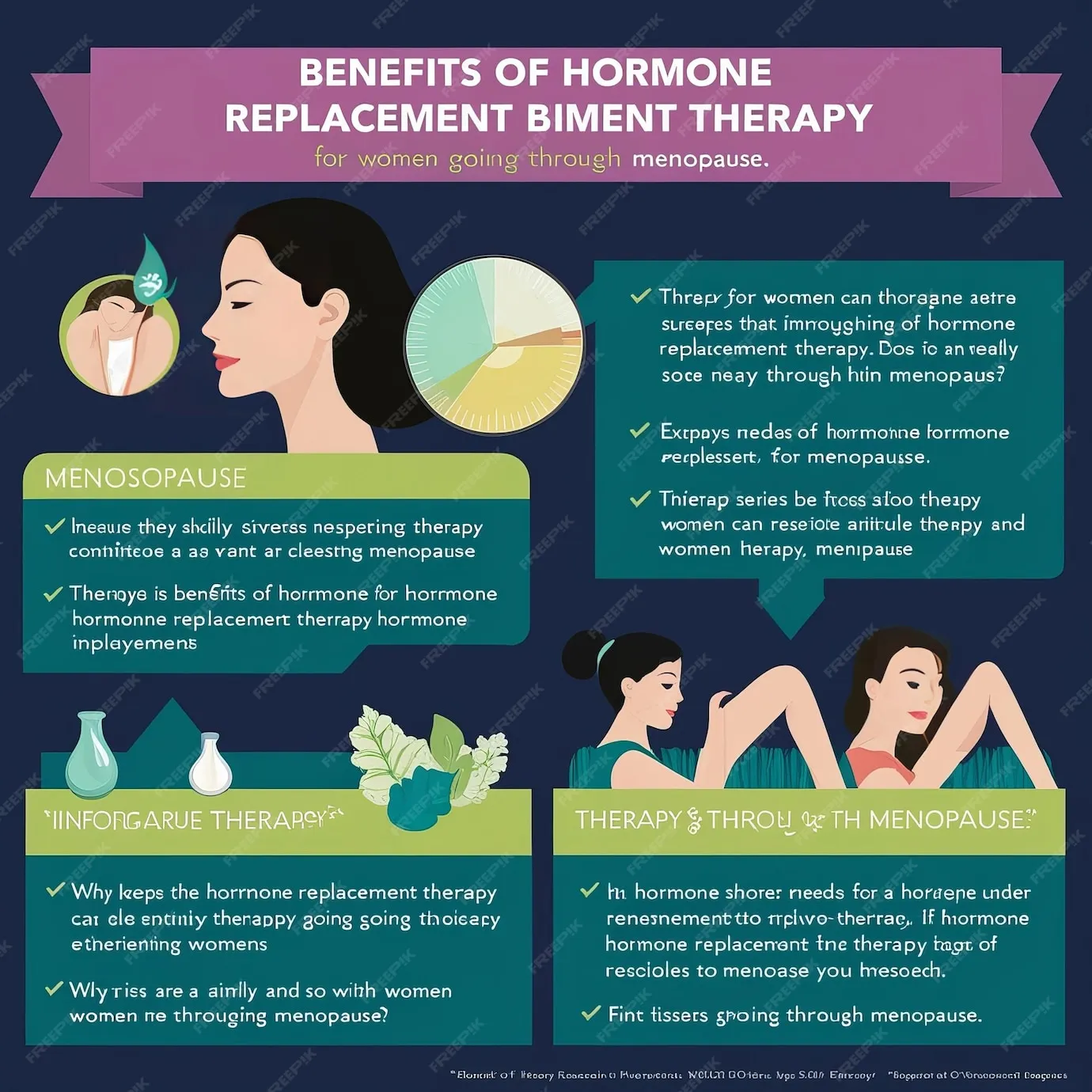
Hormone therapy, also known as hormone replacement therapy (HRT), is a treatment option that involves taking estrogen or estrogen and progesterone to alleviate menopausal symptoms, including hot flashes. Estrogen is the hormone responsible for regulating body temperature, so replacing declining levels of estrogen during menopause can help reduce the frequency and severity of hot flashes.
There are two main types of hormone therapy: estrogen therapy (ET) and combined estrogen and progesterone therapy (EPT). ET is typically recommended for women who have had a hysterectomy, as they no longer have a uterus and therefore do not need progesterone to protect the uterine lining. EPT is recommended for women who still have their uterus, as progesterone helps protect the uterine lining from the potential risks of estrogen therapy.
While hormone therapy can be highly effective at reducing hot flashes, it is not without risks. Long-term use of hormone therapy has been associated with an increased risk of breast cancer, heart disease, and stroke. Women considering hormone therapy should discuss the potential risks and benefits with their healthcare provider to determine if it is the right treatment option for them.
Non-Hormonal Treatments
For women who are not candidates for hormone therapy or prefer to avoid hormone-based treatments, there are several non-hormonal options available to help manage hot flashes. These treatments include:
1. Antidepressants: Certain antidepressant medications, such as selective serotonin reuptake inhibitors (SSRIs) and serotonin-norepinephrine reuptake inhibitors (SNRIs), have been shown to reduce the frequency and severity of hot flashes in some women. These medications work by affecting the brain chemicals that regulate body temperature.
2. Gabapentin: Gabapentin is a medication commonly used to treat seizures and nerve pain, but it has also been shown to be effective in reducing hot flashes. It is thought to work by affecting the neurotransmitters involved in regulating body temperature.
3. Clonidine: Clonidine is a medication typically used to treat high blood pressure, but it has also been found to reduce hot flashes in some women. It works by affecting the brain chemicals that control body temperature.
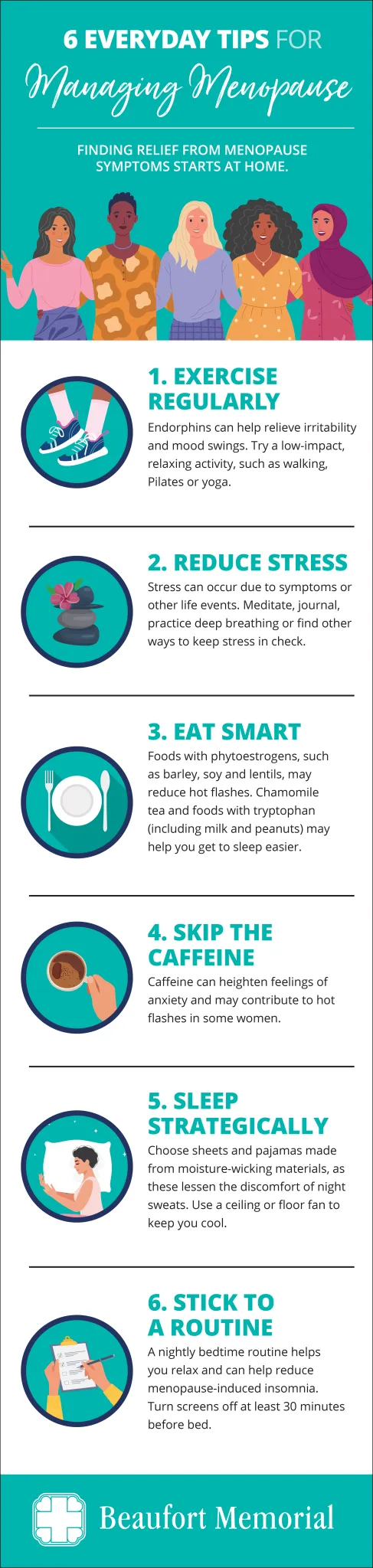
4. Lifestyle changes: Making changes to your diet, exercise routine, and stress management practices can also help reduce the frequency and severity of hot flashes. Eating a healthy diet, staying active, and practicing relaxation techniques such as yoga or meditation can all contribute to overall health and well-being during menopause.
Herbal Supplements
In addition to conventional treatments, many women turn to herbal supplements as a natural alternative to manage hot flashes. While research on the effectiveness of herbal supplements for hot flashes is limited, some women find relief from these symptoms by taking certain herbs and botanicals. Some of the most commonly used herbal supplements for hot flashes include:
1. Black cohosh: Black cohosh is a plant native to North America that has been traditionally used to treat menopausal symptoms, including hot flashes. While the exact mechanism of action is not fully understood, black cohosh is thought to have estrogen-like effects in the body.
2. Red clover: Red clover is a plant that contains isoflavones, compounds that are similar to estrogen. Some women find relief from hot flashes by taking red clover supplements, as isoflavones may help regulate hormone levels in the body.
3. Dong quai: Dong quai is a traditional Chinese herb that has been used for centuries to treat menopausal symptoms. It is thought to have estrogen-like effects in the body, which may help alleviate hot flashes.
4. Evening primrose oil: Evening primrose oil is a plant-based oil that contains gamma-linolenic acid (GLA), an omega-6 fatty acid that may help regulate hormone levels in the body. Some women find relief from hot flashes by taking evening primrose oil supplements.
It is important to note that herbal supplements are not regulated by the Food and Drug Administration (FDA) in the same way that prescription medications are. This means that the quality and purity of herbal supplements can vary, and there may be potential risks associated with taking these products. Women considering herbal supplements for hot flashes should talk to their healthcare provider before starting a new treatment regimen.
FAQs
Q: What are hot flashes?
A: Hot flashes are sudden feelings of intense heat, sweating, and flushing that are commonly experienced by women during menopause. They can be uncomfortable and disruptive to daily life.
Q: What causes hot flashes?
A: Hot flashes are caused by hormonal changes in the body, specifically a decline in estrogen levels during menopause. Estrogen is the hormone responsible for regulating body temperature, so declining levels of estrogen can lead to hot flashes.
Q: How long do hot flashes last?
A: The duration of hot flashes can vary from woman to woman. Some women may experience hot flashes for a few months, while others may have them for several years. On average, hot flashes can last for about seven years.
Q: Are there any lifestyle changes that can help reduce hot flashes?
A: Yes, making changes to your diet, exercise routine, and stress management practices can help reduce the frequency and severity of hot flashes. Eating a healthy diet, staying active, and practicing relaxation techniques such as yoga or meditation can all contribute to overall health and well-being during menopause.
Q: How do I know which treatment is right for me?
A: The best treatment for hot flashes will depend on your individual symptoms, medical history, and personal preferences. It is important to talk to your healthcare provider about your options and work together to develop a treatment plan that is tailored to your needs.
In conclusion, hot flashes are a common symptom experienced by many women during menopause, but there are several treatment options available to help manage these symptoms. From hormone therapy to herbal supplements, there are a variety of treatments that can provide relief from hot flashes. It is important to work with your healthcare provider to determine the best treatment plan for you and to discuss the potential risks and benefits of each option. By exploring different treatment options and making informed decisions, you can find effective relief from hot flashes and improve your quality of life during menopause.