
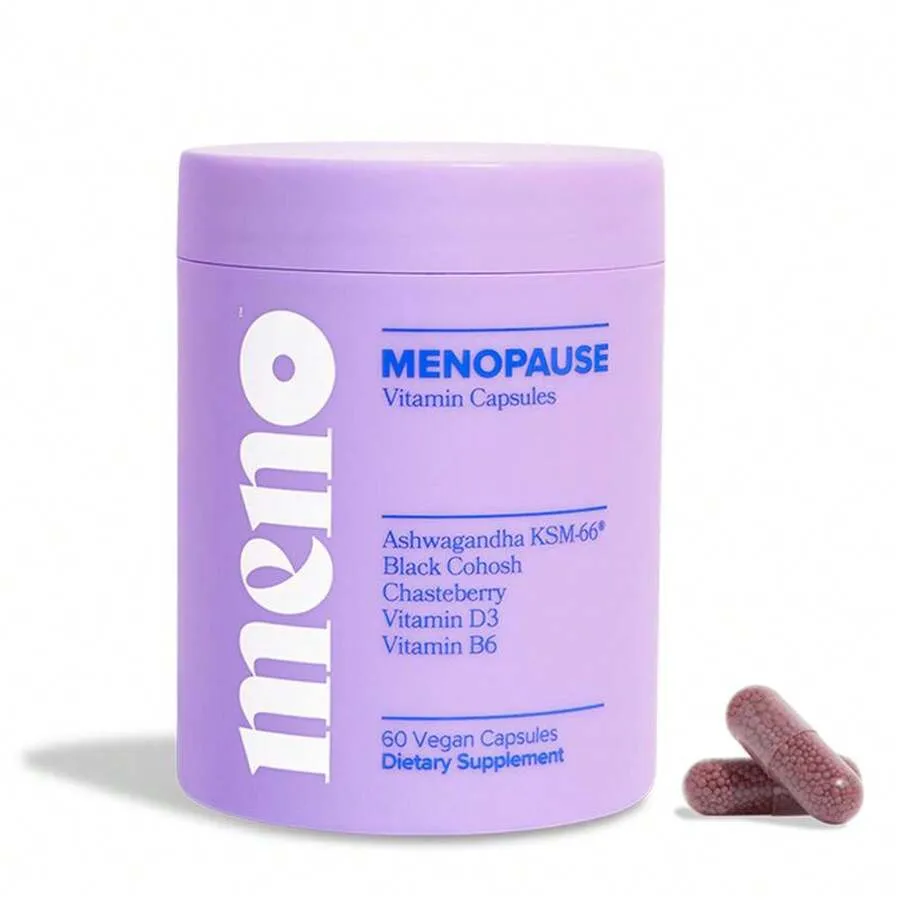
Menopause is a natural phase in a woman’s life that marks the end of her reproductive years. It typically occurs in women between the ages of 45 and 55, although it can happen earlier or later for some women. Menopause is characterized by a decrease in estrogen and progesterone levels, which can lead to a variety of symptoms such as hot flashes, mood swings, insomnia, and vaginal dryness.
Many women experience uncomfortable symptoms during menopause, and some may turn to vitamins and supplements to help alleviate these symptoms. In this article, we will explore the best vitamins for menopausal women and how they can help manage the various symptoms of menopause.
Vitamin D
Vitamin D is essential for bone health, and menopausal women are at an increased risk of osteoporosis due to the decrease in estrogen levels. Vitamin D helps the body absorb calcium, which is crucial for maintaining strong bones and preventing fractures. In addition, vitamin D has been shown to help improve mood and reduce the risk of depression, which can be common during menopause.
To ensure you are getting enough vitamin D, try to spend some time in the sun each day and include foods rich in vitamin D in your diet, such as fatty fish, eggs, and fortified dairy products. If you are unable to get enough vitamin D from sunlight and food sources, consider taking a vitamin D supplement to meet your daily requirements.
Vitamin B6
Vitamin B6 is important for hormone regulation and can help alleviate symptoms such as mood swings, irritability, and depression that are common during menopause. Vitamin B6 also plays a role in serotonin production, which is a neurotransmitter that helps regulate mood and promote feelings of well-being.
Foods rich in vitamin B6 include poultry, fish, bananas, and chickpeas. If you are not getting enough vitamin B6 from your diet, consider taking a vitamin B6 supplement to help balance your hormones and improve your mood during menopause.
Vitamin E
Vitamin E is a powerful antioxidant that can help reduce hot flashes and night sweats in menopausal women. Antioxidants help neutralize free radicals in the body, which can contribute to inflammation and other symptoms of menopause. In addition, vitamin E has been shown to improve skin health and reduce the risk of heart disease, which can increase during menopause.
Good food sources of vitamin E include nuts, seeds, and leafy green vegetables. If you are not getting enough vitamin E from your diet, consider taking a vitamin E supplement to help alleviate hot flashes and other symptoms of menopause.
Omega-3 Fatty Acids
Omega-3 fatty acids are essential fats that are important for brain health and can help improve mood and reduce inflammation in menopausal women. Omega-3 fatty acids have been shown to reduce the risk of depression and anxiety, which can be common during menopause. In addition, omega-3 fatty acids have anti-inflammatory properties that can help alleviate joint pain and stiffness that may occur during menopause.
Good food sources of omega-3 fatty acids include fatty fish such as salmon, mackerel, and sardines. If you do not eat fish regularly, consider taking a fish oil supplement to ensure you are getting an adequate amount of omega-3 fatty acids in your diet.
Calcium
Calcium is essential for maintaining strong bones and preventing osteoporosis, which can become more common during menopause due to the decrease in estrogen levels. Women over the age of 50 should aim to get 1,200 milligrams of calcium per day through a combination of food sources and supplements.
Good food sources of calcium include dairy products, leafy green vegetables, and fortified foods such as orange juice and tofu. If you are not getting enough calcium from your diet, consider taking a calcium supplement to help protect your bones and prevent fractures during menopause.
Magnesium
Magnesium is important for muscle and nerve function, and can help relieve symptoms such as muscle cramps, insomnia, and anxiety that can occur during menopause. Magnesium also plays a role in bone health and can help prevent osteoporosis in menopausal women.
Good food sources of magnesium include nuts, seeds, whole grains, and leafy green vegetables. If you are not getting enough magnesium from your diet, consider taking a magnesium supplement to help alleviate muscle cramps and improve sleep during menopause.
Vitamin C
Vitamin C is a powerful antioxidant that can help reduce hot flashes and night sweats in menopausal women. In addition, vitamin C plays a role in collagen production, which can help improve skin health and reduce the risk of wrinkles and sagging that can occur during menopause.
Good food sources of vitamin C include citrus fruits, strawberries, and bell peppers. If you are not getting enough vitamin C from your diet, consider taking a vitamin C supplement to help alleviate hot flashes and improve skin health during menopause.
FAQs
Q: Can vitamins help with weight gain during menopause?
A: While vitamins can help support overall health and well-being during menopause, they are not a cure for weight gain. Weight gain during menopause is often due to hormonal changes, decreased physical activity, and changes in metabolism. It is important to focus on maintaining a healthy diet and exercise routine to help manage weight gain during menopause.
Q: Are there any vitamins that can help with vaginal dryness during menopause?
A: Vitamin E can help improve skin health and reduce vaginal dryness in menopausal women. In addition, omega-3 fatty acids can help reduce inflammation and improve overall vaginal health. It is important to speak with your healthcare provider before starting any new supplements to ensure they are safe and appropriate for your individual needs.
Q: Can vitamins help reduce the risk of heart disease during menopause?
A: Vitamins such as vitamin E and omega-3 fatty acids can help reduce the risk of heart disease in menopausal women. In addition, maintaining a healthy diet and exercise routine can help prevent heart disease and other chronic conditions that can increase during menopause. It is important to speak with your healthcare provider about ways to reduce your risk of heart disease during menopause.
In conclusion, vitamins can play a role in supporting overall health and well-being during menopause. By incorporating a variety of vitamins and minerals into your diet, you can help alleviate symptoms such as hot flashes, mood swings, and vaginal dryness that can occur during this transitional phase. It is important to speak with your healthcare provider before starting any new supplements to ensure they are safe and appropriate for your individual needs. By taking care of your body and mind during menopause, you can navigate this phase with grace and ease.