:max_bytes(150000):strip_icc()/what-is-a-ketogenic-diet-2241628_final3-5b364771c9e77c00374825f0.png "From Seizures to Stability: How the Keto Diet is Transforming Epilepsy Treatment")
From Seizures to Stability: How the keto diet is Transforming Epilepsy Treatment
Epilepsy is a neurological disorder characterized by recurrent seizures, which are sudden bursts of electrical activity in the brain that can cause a wide range of symptoms, including convulsions, loss of consciousness, and abnormal sensations. It affects approximately 65 million people worldwide, making it one of the most common neurological disorders globally. While medications are the primary treatment for epilepsy, they are not always effective and can have significant side effects. In recent years, there has been growing interest in the use of the ketogenic diet as an alternative or adjunctive treatment for epilepsy, with promising results.
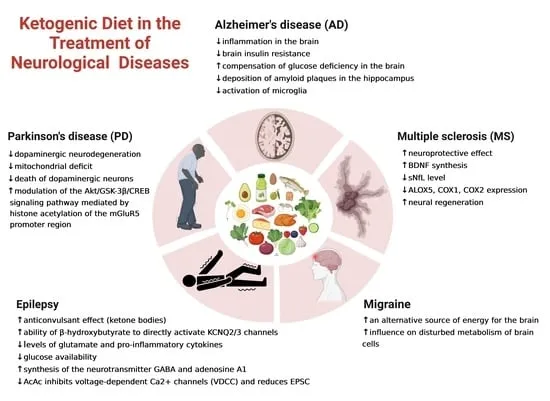
The ketogenic diet is a high-fat, low-carbohydrate diet that has been used for over a century to treat epilepsy. It was first developed in the 1920s as a treatment for epilepsy before the advent of antiepileptic drugs. The diet is designed to mimic the metabolic changes that occur during fasting, which is known to reduce seizure activity. By depriving the body of carbohydrates, the ketogenic diet forces it to burn fat for fuel, producing ketones that have anticonvulsant effects.
The exact mechanism by which the ketogenic diet reduces seizures is not fully understood, but several theories have been proposed. One theory is that ketones may inhibit the excitability of neurons in the brain, reducing the likelihood of seizures. Another theory is that the diet may increase the production of GABA, a neurotransmitter that inhibits neuronal activity. Additionally, the diet may have anti-inflammatory and antioxidant effects that protect against seizure-induced damage.
Over the years, numerous studies have demonstrated the efficacy of the ketogenic diet in reducing seizures in children and adults with epilepsy. One of the most well-known studies is the multicenter randomized controlled trial conducted by the Epilepsy Study Group in 2008, which found that the ketogenic diet was significantly more effective than a control diet in reducing seizures in children with drug-resistant epilepsy. Other studies have shown similar results, with some patients experiencing complete seizure freedom on the diet.
In addition to its efficacy in reducing seizures, the ketogenic diet has been shown to have other benefits for individuals with epilepsy. These include improved cognitive function, mood stabilization, and better quality of life. Some patients also report improvements in other neurological conditions, such as migraines and autism spectrum disorder, when following a ketogenic diet.
Despite its potential benefits, the ketogenic diet is not without challenges. It is a highly restrictive diet that can be difficult to adhere to, particularly for children and adolescents. The diet requires careful monitoring of macronutrient intake, as even small deviations can affect ketone production and seizure control. Additionally, the diet can cause side effects such as constipation, fatigue, and nutrient deficiencies if not followed properly.
To address these challenges, healthcare providers and dietitians work closely with patients to develop individualized meal plans that meet their nutritional needs while maintaining ketosis. Regular monitoring of blood ketone levels and seizure frequency is essential to ensure the diet is effective and safe. Education and support from healthcare professionals, as well as support groups and online communities, can also help patients and their families navigate the challenges of the ketogenic diet.
FAQs
Q: Is the ketogenic diet safe for children with epilepsy?
A: The ketogenic diet is generally considered safe for children with epilepsy when followed under the supervision of a healthcare provider and dietitian. It is important to monitor the child’s growth, development, and nutritional status regularly to ensure they are receiving adequate nutrients.
Q: How long does it take to see results from the ketogenic diet for epilepsy?
A: Some patients may see a reduction in seizures within days or weeks of starting the ketogenic diet, while others may take several months to experience significant improvements. It is important to give the diet time to work and to be patient with the process.
Q: Can adults with epilepsy benefit from the ketogenic diet?
A: Yes, adults with epilepsy can also benefit from the ketogenic diet. Studies have shown that the diet can be effective in reducing seizures in adults with drug-resistant epilepsy. However, adults may face additional challenges in adhering to the diet, such as lifestyle factors and comorbidities.
Q: Are there any long-term side effects of the ketogenic diet for epilepsy?
A: Long-term side effects of the ketogenic diet for epilepsy are rare, but some individuals may experience nutrient deficiencies, kidney stones, or gastrointestinal issues if the diet is not followed properly. Regular monitoring and supplementation may be necessary to prevent these side effects.
In conclusion, the ketogenic diet is a promising treatment option for individuals with epilepsy, particularly those who do not respond to traditional medications. By mimicking the metabolic changes of fasting, the diet can reduce seizure activity and improve overall quality of life for patients. While challenges exist in adhering to the diet, with proper support and monitoring, many individuals can successfully incorporate the ketogenic diet into their epilepsy treatment plan. Further research is needed to better understand the mechanisms of action and optimize the diet for maximum efficacy.