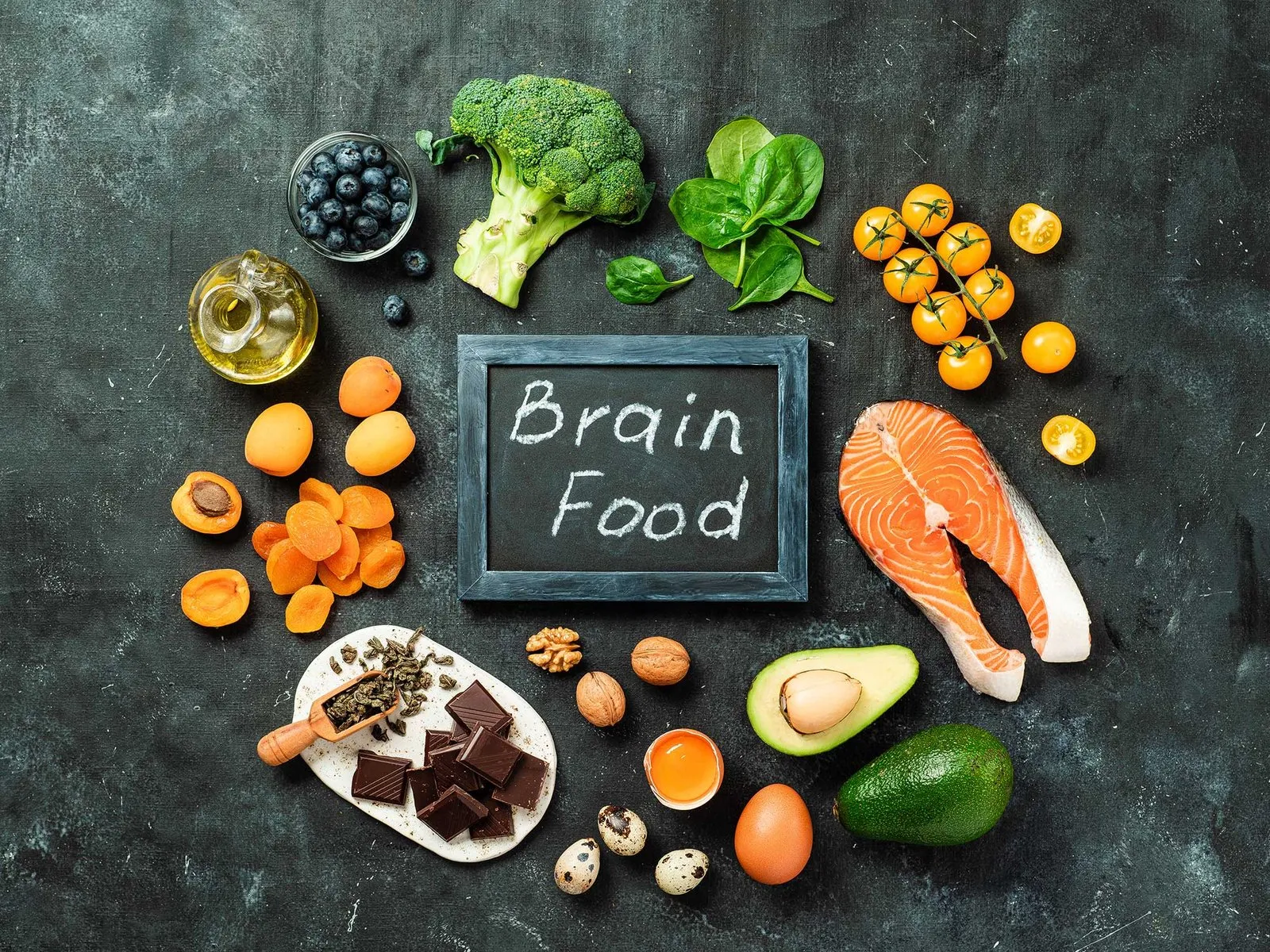
Fueling Your Brain with Keto: How the Ketogenic Diet Can Enhance Cognitive Function
In recent years, the ketogenic diet has gained popularity for its numerous health benefits, including weight loss and improved energy levels. But did you know that the ketogenic diet can also have a positive impact on cognitive function? In this article, we will explore how the ketogenic diet can fuel your brain and enhance cognitive function.
What is the Ketogenic Diet?
The ketogenic diet is a high-fat, low-carbohydrate diet that has been used for decades to treat epilepsy. The diet works by putting the body into a state of ketosis, where it burns fat for fuel instead of carbohydrates. This process produces ketones, which are a more efficient source of energy for the brain.
In addition to its use in treating epilepsy, the ketogenic diet has been shown to have numerous other health benefits, including weight loss, improved blood sugar control, and increased energy levels. But one of the most exciting potential benefits of the ketogenic diet is its ability to enhance cognitive function.
How the Ketogenic Diet Can Enhance Cognitive Function
There are several ways in which the ketogenic diet may enhance cognitive function:
1. Improved Energy Levels: The ketogenic diet provides a steady source of energy for the brain in the form of ketones. This can help to improve mental clarity and focus, as well as reduce feelings of fatigue and brain fog.
2. Reduced Inflammation: The ketogenic diet has been shown to reduce inflammation in the body, which can have a positive impact on cognitive function. Inflammation has been linked to cognitive decline and neurological disorders, so reducing inflammation through diet may help to protect the brain.
3. Increased BDNF: The ketogenic diet has been shown to increase levels of brain-derived neurotrophic factor (BDNF), a protein that is crucial for the growth and maintenance of neurons. Higher levels of BDNF have been associated with improved cognitive function and a reduced risk of neurological disorders.
4. Enhanced Neuroprotection: Ketones have been shown to have neuroprotective effects, helping to protect the brain from oxidative stress and damage. This can help to preserve cognitive function and reduce the risk of age-related cognitive decline.
5. Improved Brain Health: The ketogenic diet has been shown to support overall brain health by promoting the growth of new brain cells and improving communication between neurons. This can help to enhance cognitive function and protect against neurodegenerative diseases.
FAQs
1. Is the ketogenic diet safe for long-term use?
The ketogenic diet is generally considered safe for long-term use, as long as it is followed properly and under the guidance of a healthcare provider. However, some people may experience side effects such as fatigue, constipation, and nutrient deficiencies, so it is important to monitor your health and make any necessary adjustments to your diet.
2. Can the ketogenic diet help with conditions such as Alzheimer’s disease or Parkinson’s disease?
There is some evidence to suggest that the ketogenic diet may have potential benefits for neurodegenerative diseases such as Alzheimer’s disease and Parkinson’s disease. The diet’s ability to reduce inflammation, increase BDNF levels, and provide neuroprotection may help to slow the progression of these conditions and improve cognitive function.
3. How do I get started with the ketogenic diet?
If you are interested in trying the ketogenic diet to enhance cognitive function, it is important to do your research and consult with a healthcare provider before making any changes to your diet. You can start by reducing your carbohydrate intake and increasing your consumption of healthy fats, such as avocados, nuts, and olive oil.
4. Are there any potential risks or side effects of the ketogenic diet?
Some potential risks and side effects of the ketogenic diet include nutrient deficiencies, constipation, and an increased risk of kidney stones. It is important to monitor your health and make any necessary adjustments to your diet to minimize these risks.
In conclusion, the ketogenic diet has the potential to enhance cognitive function and protect the brain from age-related decline. By providing a steady source of energy in the form of ketones, reducing inflammation, increasing BDNF levels, and providing neuroprotection, the ketogenic diet can support overall brain health and cognitive function. If you are interested in trying the ketogenic diet, be sure to consult with a healthcare provider and monitor your health closely to ensure that it is safe and effective for you.