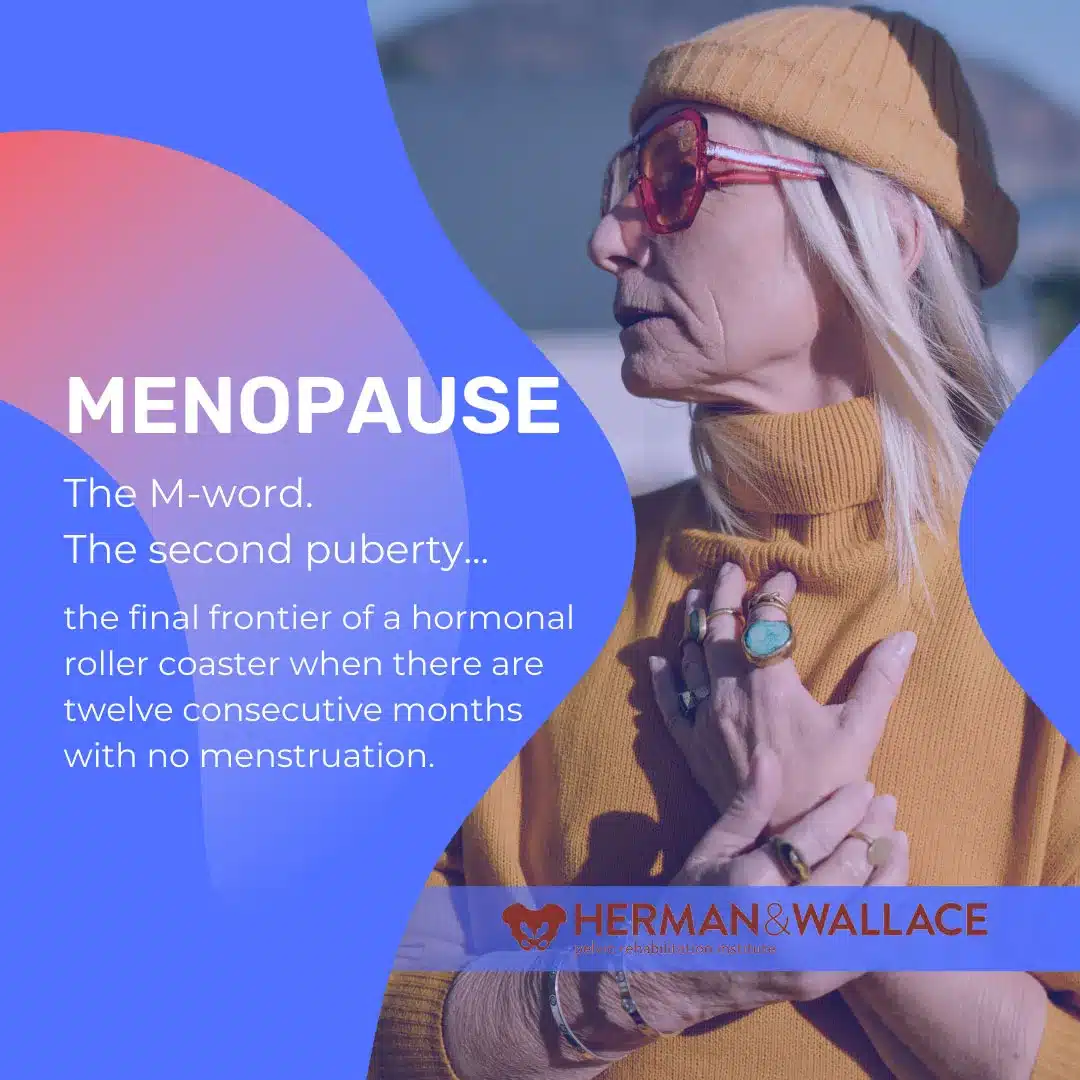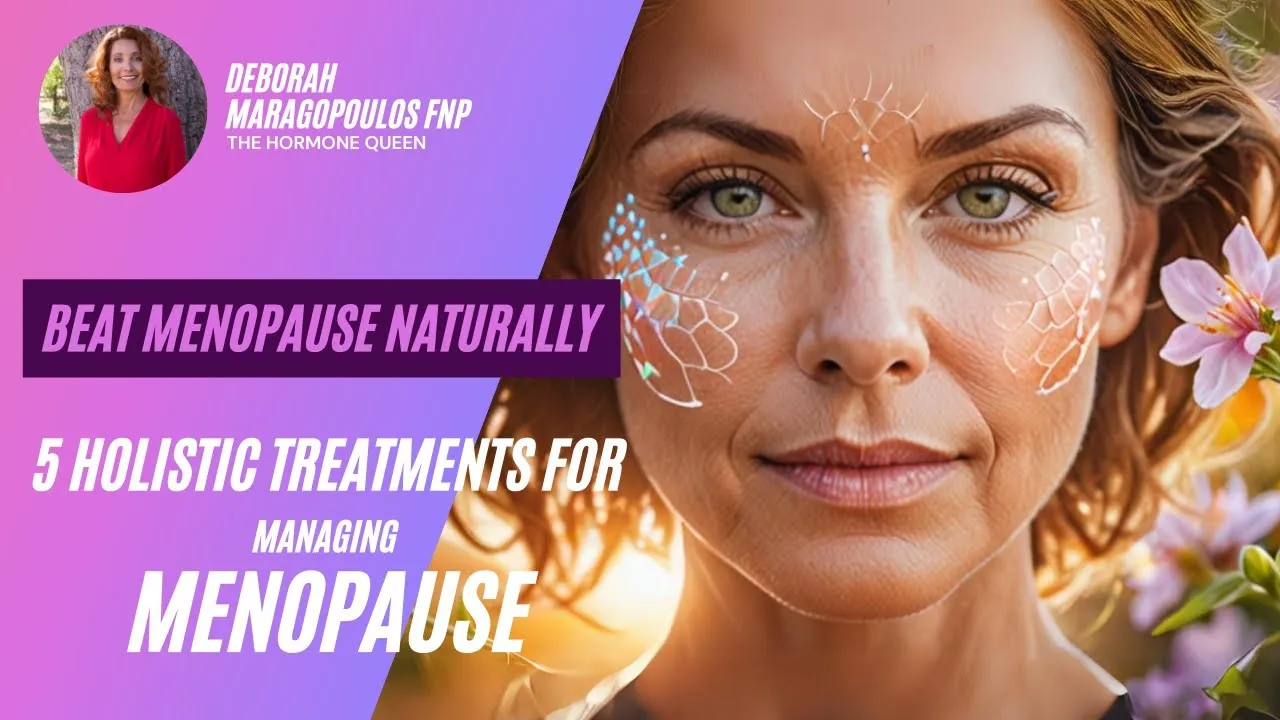
Menopause is a natural phase in a woman’s life that marks the end of her reproductive years. It typically occurs in the late 40s to early 50s, although the age at which menopause begins can vary. During this time, the body undergoes significant hormonal changes, which can lead to a variety of symptoms that can be uncomfortable and disruptive to daily life. While some women may choose to manage their menopausal symptoms with hormone replacement therapy or other medications, there are also holistic approaches that can help alleviate symptoms naturally. In this article, we will explore some of these holistic approaches and how they can be used to manage menopause symptoms effectively.
Holistic Approaches to Managing Menopause Symptoms Naturally
1. Diet and Nutrition
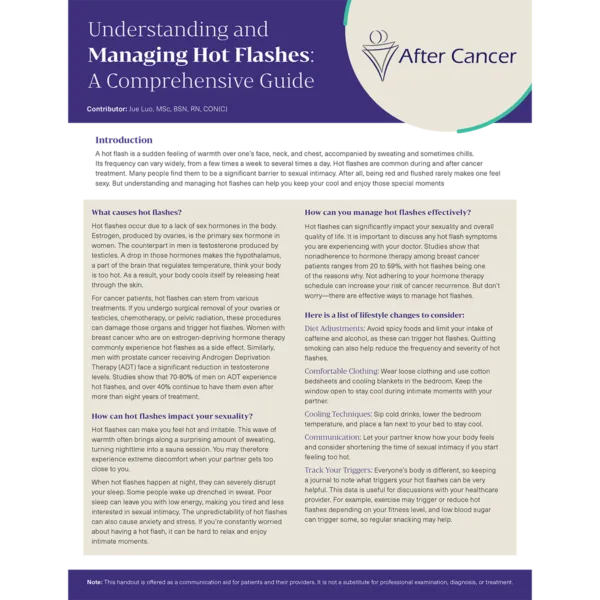
One of the key aspects of managing menopausal symptoms naturally is through diet and nutrition. Eating a healthy, balanced diet can help alleviate symptoms such as hot flashes, mood swings, and weight gain. Some foods that may be beneficial during menopause include:
– Whole grains: Whole grains are rich in fiber, which can help regulate blood sugar levels and reduce the risk of weight gain.
– Fruits and vegetables: Fruits and vegetables are high in vitamins and minerals that can help support overall health and reduce inflammation.
– Omega-3 fatty acids: Omega-3 fatty acids, found in foods like salmon, flaxseeds, and walnuts, can help reduce inflammation and support brain health.
– Soy products: Soy products, such as tofu and soy milk, contain phytoestrogens that can help alleviate symptoms like hot flashes and night sweats.
In addition to eating a healthy diet, it is also important to stay hydrated by drinking plenty of water throughout the day. Avoiding caffeine and alcohol can also help reduce symptoms like hot flashes and mood swings.
2. Exercise
Regular exercise is another important aspect of managing menopausal symptoms naturally. Exercise can help reduce stress, improve mood, and maintain a healthy weight. It can also help alleviate symptoms like hot flashes and insomnia. Some types of exercise that may be beneficial during menopause include:
– Aerobic exercise: Aerobic exercise, such as walking, jogging, or cycling, can help improve cardiovascular health and boost mood.
– Strength training: Strength training exercises, such as lifting weights or using resistance bands, can help maintain muscle mass and bone density.
– Yoga and Pilates: Yoga and Pilates can help improve flexibility, balance, and relaxation.
It is important to find an exercise routine that you enjoy and can stick with long-term. Aim for at least 30 minutes of moderate-intensity exercise most days of the week.
3. Stress Management
Stress can exacerbate menopausal symptoms such as hot flashes, mood swings, and insomnia. Managing stress through techniques like meditation, deep breathing, and mindfulness can help alleviate these symptoms. Other stress-reducing activities that may be beneficial during menopause include:
– Massage therapy: Massage therapy can help reduce muscle tension, improve circulation, and promote relaxation.
– Acupuncture: Acupuncture is a traditional Chinese medicine practice that involves inserting thin needles into specific points on the body to promote balance and reduce symptoms.
– Herbal remedies: Some herbs, such as valerian root and chamomile, have been used for centuries to promote relaxation and reduce stress.
Finding stress management techniques that work for you can help improve your overall well-being and reduce menopausal symptoms.
4. Herbal Remedies
There are several herbal remedies that have been used for centuries to alleviate menopausal symptoms. Some of these remedies include:
– Black cohosh: Black cohosh is a plant native to North America that has been used traditionally to alleviate symptoms like hot flashes and night sweats.
– Dong quai: Dong quai is a Chinese herb that is believed to help balance hormones and reduce symptoms like mood swings and fatigue.
– Red clover: Red clover contains phytoestrogens that may help alleviate symptoms like hot flashes and vaginal dryness.
– Evening primrose oil: Evening primrose oil contains gamma-linolenic acid, which may help reduce symptoms like breast tenderness and mood swings.
Before taking any herbal remedies, it is important to consult with a healthcare provider to ensure they are safe for you to use and will not interact with any medications you may be taking.
5. Hormone Balancing
Another holistic approach to managing menopausal symptoms naturally is through hormone balancing. Hormone imbalances can contribute to symptoms like hot flashes, mood swings, and fatigue. Some ways to balance hormones naturally include:
– Eating a balanced diet: Eating a diet rich in whole foods, healthy fats, and lean proteins can help support hormone balance.
– Getting enough sleep: Getting adequate restful sleep is important for hormone regulation and overall health.
– Managing stress: Stress can disrupt hormone balance, so finding ways to manage stress can help alleviate symptoms.
– Avoiding toxins: Toxins found in things like processed foods, pesticides, and plastics can disrupt hormone balance, so avoiding these toxins can help maintain balance.
FAQs
Q: What are the common symptoms of menopause?
A: Common symptoms of menopause include hot flashes, night sweats, mood swings, fatigue, weight gain, vaginal dryness, and insomnia.
Q: How long do menopausal symptoms typically last?
A: Menopausal symptoms can last for a few months to several years. The duration of symptoms varies from woman to woman.
Q: Are there any natural remedies that can help alleviate menopausal symptoms?
A: Yes, there are several natural remedies that can help alleviate menopausal symptoms, including diet and nutrition, exercise, stress management, herbal remedies, and hormone balancing.
Q: Can menopausal symptoms be managed without medication?
A: Yes, menopausal symptoms can be managed without medication by using holistic approaches like diet and nutrition, exercise, stress management, herbal remedies, and hormone balancing.
Q: When should I see a healthcare provider about my menopausal symptoms?
A: If your menopausal symptoms are severe or are interfering with your daily life, it is important to see a healthcare provider for further evaluation and treatment options.
In conclusion, managing menopausal symptoms naturally through holistic approaches can be an effective way to alleviate discomfort and improve overall well-being during this important phase of life. By incorporating strategies like diet and nutrition, exercise, stress management, herbal remedies, and hormone balancing, women can find relief from symptoms like hot flashes, mood swings, and insomnia without the need for medication. It is important to consult with a healthcare provider before starting any new treatment regimen to ensure it is safe and appropriate for your individual needs. With the right approach, women can navigate menopause with grace and ease.