Is There Such a Thing as Too Much Fat on a Ketogenic Diet?
The ketogenic diet has gained popularity in recent years for its ability to promote weight loss, improve blood sugar control, and increase energy levels. This high-fat, low-carb diet has been shown to be effective for many people, but there is often confusion about how much fat is too much on a ketogenic diet. In this article, we will explore the role of fat in a ketogenic diet, examine the potential risks of consuming too much fat, and provide guidance on how to find the right balance for your individual needs.
What is a Ketogenic Diet?
A ketogenic diet is a high-fat, moderate-protein, low-carbohydrate diet that is designed to shift the body into a state of ketosis. Ketosis is a metabolic state in which the body burns fat for fuel instead of carbohydrates. This can lead to rapid weight loss and improved metabolic health.
The typical macronutrient breakdown for a ketogenic diet is around 70-75% fat, 20-25% protein, and 5-10% carbohydrates. This means that the majority of calories consumed on a ketogenic diet come from fat, which is used as the primary source of energy for the body.
The Role of Fat in a Ketogenic Diet
Fat plays a crucial role in a ketogenic diet by providing a steady source of energy and helping to keep you feeling full and satisfied. When you limit your intake of carbohydrates, your body starts to burn fat for fuel instead, leading to the production of ketones. These ketones can be used by the brain and muscles for energy, helping to keep you feeling alert and energized throughout the day.
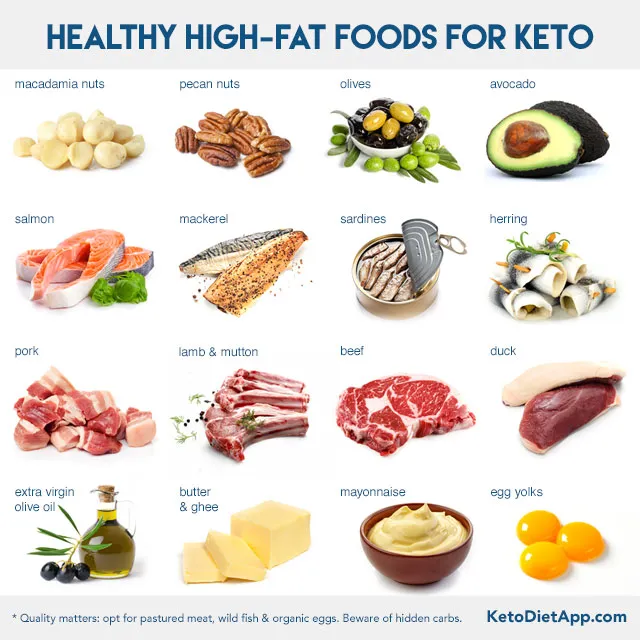
In addition to providing energy, fat also plays a key role in hormone production, cell membrane function, and nutrient absorption. Healthy fats, such as those found in avocados, nuts, seeds, and olive oil, are essential for overall health and well-being.
The Potential Risks of Consuming Too Much Fat
While fat is an essential nutrient on a ketogenic diet, it is possible to consume too much fat, which can have negative consequences for your health. Consuming excessive amounts of fat can lead to weight gain, elevated cholesterol levels, and an increased risk of heart disease.
It is important to remember that not all fats are created equal. While healthy fats, such as those found in avocados and olive oil, can have beneficial effects on health, unhealthy fats, such as those found in processed foods and fried foods, can have a negative impact on your health.
In addition to the type of fat consumed, the total amount of fat consumed also plays a role in determining whether you are consuming too much fat on a ketogenic diet. It is important to strike a balance between fat, protein, and carbohydrates to ensure that you are meeting your nutritional needs while still promoting weight loss and overall health.
Finding the Right Balance
Finding the right balance of fat on a ketogenic diet can be challenging, but there are some guidelines that can help you determine the appropriate amount of fat for your individual needs. It is important to focus on consuming healthy fats, such as those found in avocados, nuts, seeds, and olive oil, while limiting your intake of unhealthy fats, such as those found in processed foods and fried foods.
In general, it is recommended to consume around 70-75% of your calories from fat on a ketogenic diet. This can vary depending on your individual goals, activity level, and metabolic health. Some people may find that they need to adjust their fat intake based on their individual needs and preferences.
It is also important to listen to your body and pay attention to how you feel when consuming different amounts of fat. If you are feeling sluggish, bloated, or experiencing other negative symptoms, it may be a sign that you are consuming too much fat on a ketogenic diet.
FAQs
Q: Can I eat as much fat as I want on a ketogenic diet?
A: While fat is an essential nutrient on a ketogenic diet, it is important to strike a balance between fat, protein, and carbohydrates to ensure that you are meeting your nutritional needs while still promoting weight loss and overall health. Consuming excessive amounts of fat can lead to weight gain, elevated cholesterol levels, and an increased risk of heart disease.
Q: How can I tell if I am consuming too much fat on a ketogenic diet?
A: It is important to pay attention to how you feel when consuming different amounts of fat on a ketogenic diet. If you are feeling sluggish, bloated, or experiencing other negative symptoms, it may be a sign that you are consuming too much fat. It is also important to focus on consuming healthy fats, such as those found in avocados, nuts, seeds, and olive oil, while limiting your intake of unhealthy fats, such as those found in processed foods and fried foods.
Q: What are some tips for finding the right balance of fat on a ketogenic diet?
A: Some tips for finding the right balance of fat on a ketogenic diet include focusing on consuming healthy fats, such as those found in avocados, nuts, seeds, and olive oil, while limiting your intake of unhealthy fats, such as those found in processed foods and fried foods. It is also important to listen to your body and pay attention to how you feel when consuming different amounts of fat. Adjusting your fat intake based on your individual goals, activity level, and metabolic health can help you find the right balance for your individual needs.
In conclusion, while fat is an essential nutrient on a ketogenic diet, it is important to strike a balance between fat, protein, and carbohydrates to ensure that you are meeting your nutritional needs while still promoting weight loss and overall health. By focusing on consuming healthy fats and paying attention to how you feel, you can find the right balance of fat on a ketogenic diet that works for you.