Keto and Gut Health: The Key to Optimal Digestive Function
Introduction
The ketogenic diet has gained immense popularity in recent years as a powerful tool for weight loss and overall health improvement. This high-fat, low-carb diet has been shown to not only help individuals shed excess pounds, but also improve markers of metabolic health, reduce inflammation, and boost energy levels. However, one often overlooked aspect of the ketogenic diet is its impact on gut health.
The gut microbiome, which consists of trillions of bacteria living in the digestive tract, plays a crucial role in digestion, nutrient absorption, immune function, and even mood regulation. When the balance of bacteria in the gut is disrupted, it can lead to a host of digestive issues such as bloating, gas, constipation, diarrhea, and even more serious conditions like irritable bowel syndrome (IBS) and inflammatory bowel disease (IBD).
In this article, we will explore the relationship between the ketogenic diet and gut health, and how following a keto lifestyle can support optimal digestive function. We will also address common questions and concerns about keto and gut health in a FAQ section at the end of the article.
The ketogenic diet and Gut Health
The ketogenic diet is a high-fat, moderate-protein, low-carbohydrate eating plan that is designed to shift the body from using glucose as its primary fuel source to burning fat for energy. This metabolic state, known as ketosis, has been shown to have a number of benefits for overall health, including weight loss, improved insulin sensitivity, reduced inflammation, and increased mental clarity.
But how does the ketogenic diet impact gut health? Research has shown that the types of foods we eat can have a significant impact on the composition and diversity of the gut microbiome. Diets high in processed foods, sugar, and refined carbohydrates have been shown to promote the growth of harmful bacteria in the gut, while diets rich in whole foods, fiber, and healthy fats support the growth of beneficial bacteria.
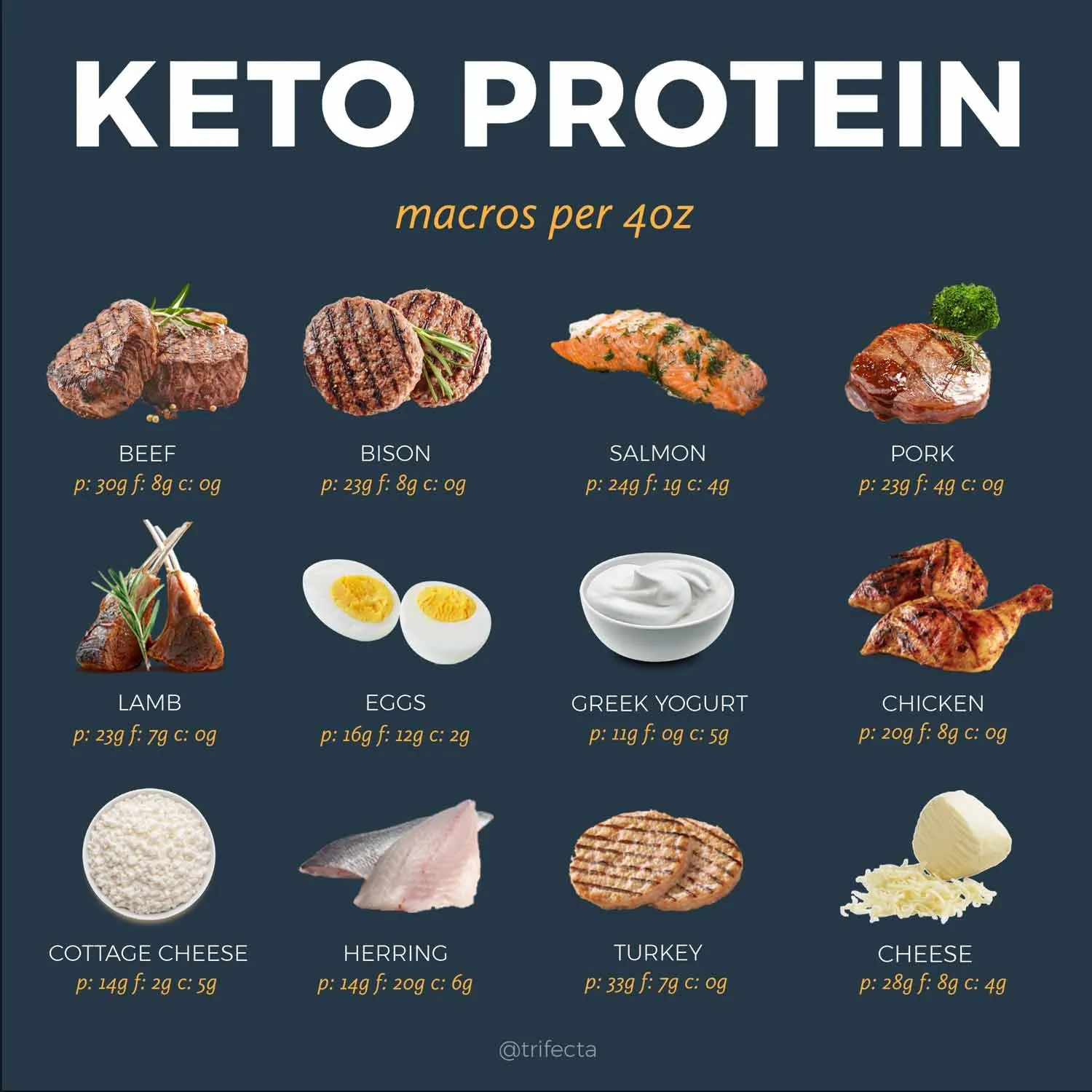
The ketogenic diet, with its focus on whole, minimally processed foods like meat, fish, eggs, nuts, seeds, and non-starchy vegetables, is naturally low in sugar and refined carbohydrates. This means that following a ketogenic diet can help to starve out harmful bacteria in the gut while promoting the growth of beneficial bacteria. In fact, some studies have shown that the ketogenic diet can increase the abundance of beneficial bacteria like Bifidobacterium and Lactobacillus, which are known for their roles in digestion and immune function.
In addition to promoting a healthy balance of gut bacteria, the ketogenic diet can also help to reduce inflammation in the gut. Chronic inflammation in the gut has been linked to a number of digestive disorders, including IBS, IBD, and leaky gut syndrome. By reducing the intake of inflammatory foods like sugar and processed grains, and increasing the consumption of anti-inflammatory foods like fatty fish, olive oil, and leafy greens, the ketogenic diet can help to soothe inflammation in the gut and support optimal digestive function.
Furthermore, the ketogenic diet has been shown to improve gut motility, or the movement of food through the digestive tract. This can help to prevent constipation and promote regular bowel movements, which are essential for maintaining a healthy gut. Additionally, the high-fat content of the ketogenic diet can help to nourish the cells lining the gut, which play a key role in nutrient absorption and immune function.
Overall, following a ketogenic diet can have a positive impact on gut health by promoting a healthy balance of gut bacteria, reducing inflammation, improving gut motility, and supporting the integrity of the gut lining. By nourishing the gut microbiome with nutrient-dense, anti-inflammatory foods, individuals following a keto lifestyle can support optimal digestive function and overall health.
FAQs about Keto and Gut Health
Q: Will following a ketogenic diet cause digestive issues like bloating or gas?
A: Some individuals may experience temporary digestive issues like bloating or gas when first starting a ketogenic diet, as the body adjusts to the changes in dietary fat and fiber intake. However, these symptoms typically subside within a few weeks as the gut microbiome adapts to the new eating plan. To minimize digestive issues, it is important to gradually increase fat intake, stay hydrated, and include plenty of fiber-rich vegetables in the diet.
Q: Can the ketogenic diet help with conditions like IBS or IBD?
A: While more research is needed, some studies have suggested that the ketogenic diet may have potential benefits for individuals with IBS or IBD. The low-carbohydrate, anti-inflammatory nature of the ketogenic diet may help to reduce symptoms of these conditions by promoting a healthy balance of gut bacteria and soothing inflammation in the gut. However, it is important to work with a healthcare provider or registered dietitian when making dietary changes for these conditions.
Q: Is it safe to follow a ketogenic diet long-term for gut health?
A: Some experts caution against following a strict ketogenic diet long-term, as it may restrict certain nutrients and fiber sources that are important for gut health. However, a well-formulated ketogenic diet that includes a variety of nutrient-dense foods can be safe and effective for many individuals. It is important to listen to your body, work with a healthcare provider or registered dietitian, and make adjustments to your diet as needed to support optimal gut health.
Q: Are there any supplements that can support gut health on a ketogenic diet?
A: While a well-rounded ketogenic diet can provide most of the nutrients needed for gut health, some individuals may benefit from additional supplements to support digestive function. Probiotics, prebiotics, digestive enzymes, and collagen are all popular supplements that can support gut health on a ketogenic diet. It is important to choose high-quality supplements and consult with a healthcare provider before adding any new supplements to your routine.
Conclusion
In conclusion, the ketogenic diet can have a positive impact on gut health by promoting a healthy balance of gut bacteria, reducing inflammation, improving gut motility, and supporting the integrity of the gut lining. By nourishing the gut microbiome with nutrient-dense, anti-inflammatory foods, individuals following a keto lifestyle can support optimal digestive function and overall health. While some individuals may experience temporary digestive issues when first starting a ketogenic diet, these symptoms typically subside as the gut microbiome adapts to the new eating plan. It is important to listen to your body, work with a healthcare provider or registered dietitian, and make adjustments to your diet as needed to support optimal gut health on a ketogenic diet.