Keto Calorie Counting Made Easy: A Beginner’s Guide
The ketogenic diet has gained immense popularity in recent years for its ability to help individuals lose weight, improve their overall health, and increase their energy levels. One of the key components of the keto diet is keeping track of the number of calories consumed each day. This can be a daunting task for beginners, but with the right tools and knowledge, it can be made much easier.
In this article, we will discuss everything you need to know about keto calorie counting, including how to calculate your daily calorie needs, how to track your calories, and common mistakes to avoid. We will also provide a list of frequently asked questions about keto calorie counting at the end of the article.
What is the keto diet?
The ketogenic diet is a high-fat, low-carbohydrate diet that has been shown to be effective for weight loss and improving overall health. By drastically reducing the amount of carbohydrates consumed and increasing the intake of fats, the body enters a state of ketosis, where it burns fat for fuel instead of glucose. This can lead to rapid weight loss and a number of other health benefits, including improved mental clarity and increased energy levels.
Calories and the keto diet
In order to be successful on the ketogenic diet, it is important to pay attention to the number of calories consumed each day. While some individuals on the keto diet may be able to lose weight without counting calories, many people find that keeping track of their calorie intake is essential for reaching their weight loss goals.
Calories are a measure of the energy contained in food and beverages. In order to lose weight, you must consume fewer calories than your body needs to maintain its current weight. This is known as a calorie deficit. On the keto diet, this deficit is achieved by reducing the number of carbohydrates consumed and increasing the intake of fats and proteins.
Calculating Your Daily Calorie Needs
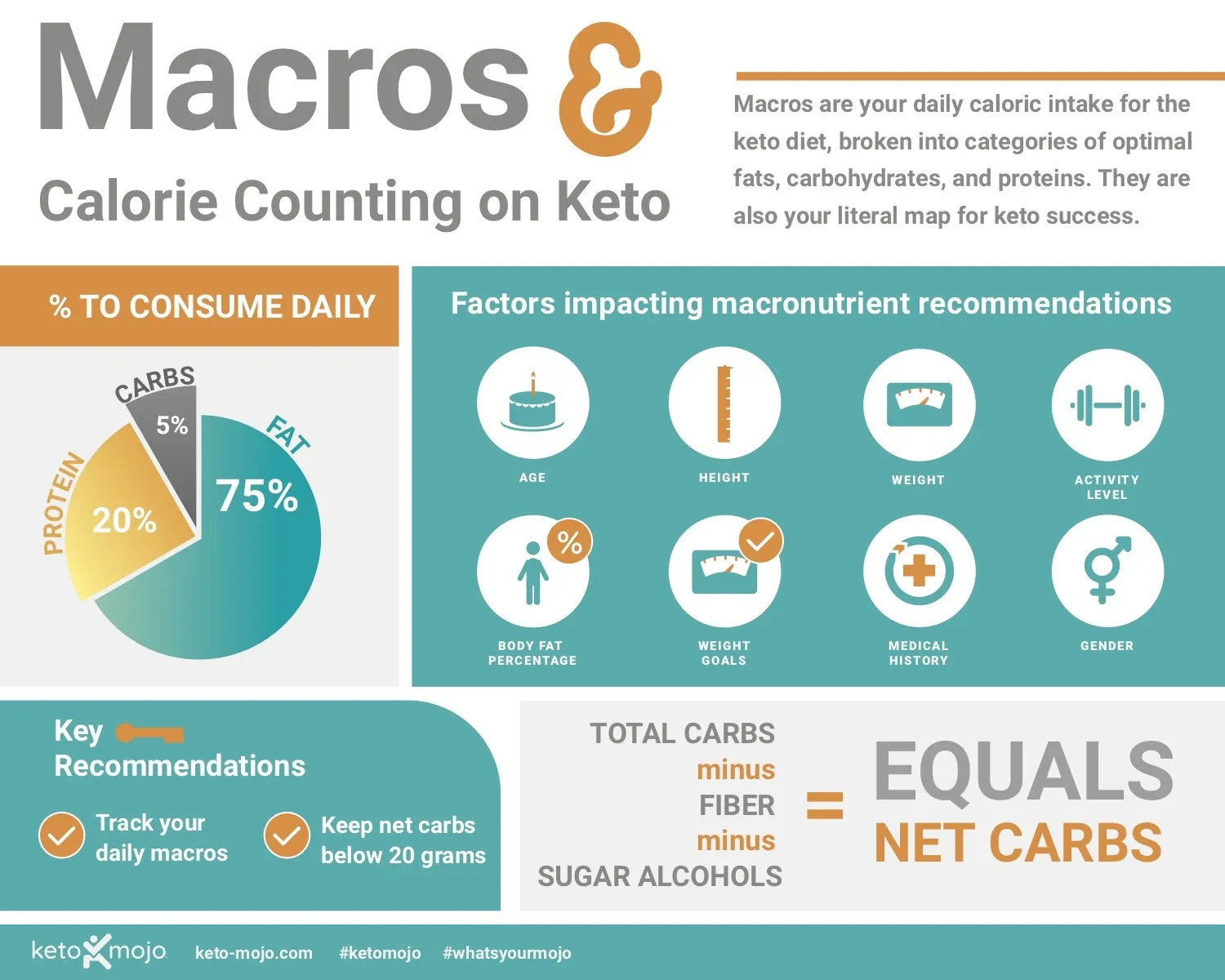
The first step in keto calorie counting is to determine how many calories you need to consume each day in order to achieve your weight loss goals. There are a number of online calculators that can help you estimate your daily calorie needs based on factors such as your age, gender, weight, height, and activity level.
Once you have an estimate of your daily calorie needs, you can adjust this number based on your weight loss goals. In general, a calorie deficit of 500 to 1000 calories per day is recommended for safe and sustainable weight loss. This deficit can be achieved through a combination of reducing your calorie intake and increasing your physical activity.
Tracking Your Calories
Once you have determined your daily calorie needs, the next step is to track your calorie intake. There are a number of apps and websites that can help you track your calories, including MyFitnessPal, Lose It!, and Cronometer. These tools allow you to input the foods and beverages you consume each day and track the number of calories, fats, proteins, and carbohydrates you are consuming.
When tracking your calories on the keto diet, it is important to pay attention to the macronutrient breakdown of your meals. The standard macronutrient ratio for the ketogenic diet is 70-75% fats, 20-25% proteins, and 5-10% carbohydrates. By tracking your macronutrient intake in addition to your calorie intake, you can ensure that you are staying within the recommended ratios for the keto diet.
Common Mistakes to Avoid
While keto calorie counting can be a powerful tool for weight loss, there are a number of common mistakes that beginners often make. One of the most common mistakes is underestimating the number of calories consumed. It is important to accurately measure and track your portion sizes in order to ensure that you are staying within your calorie goals.
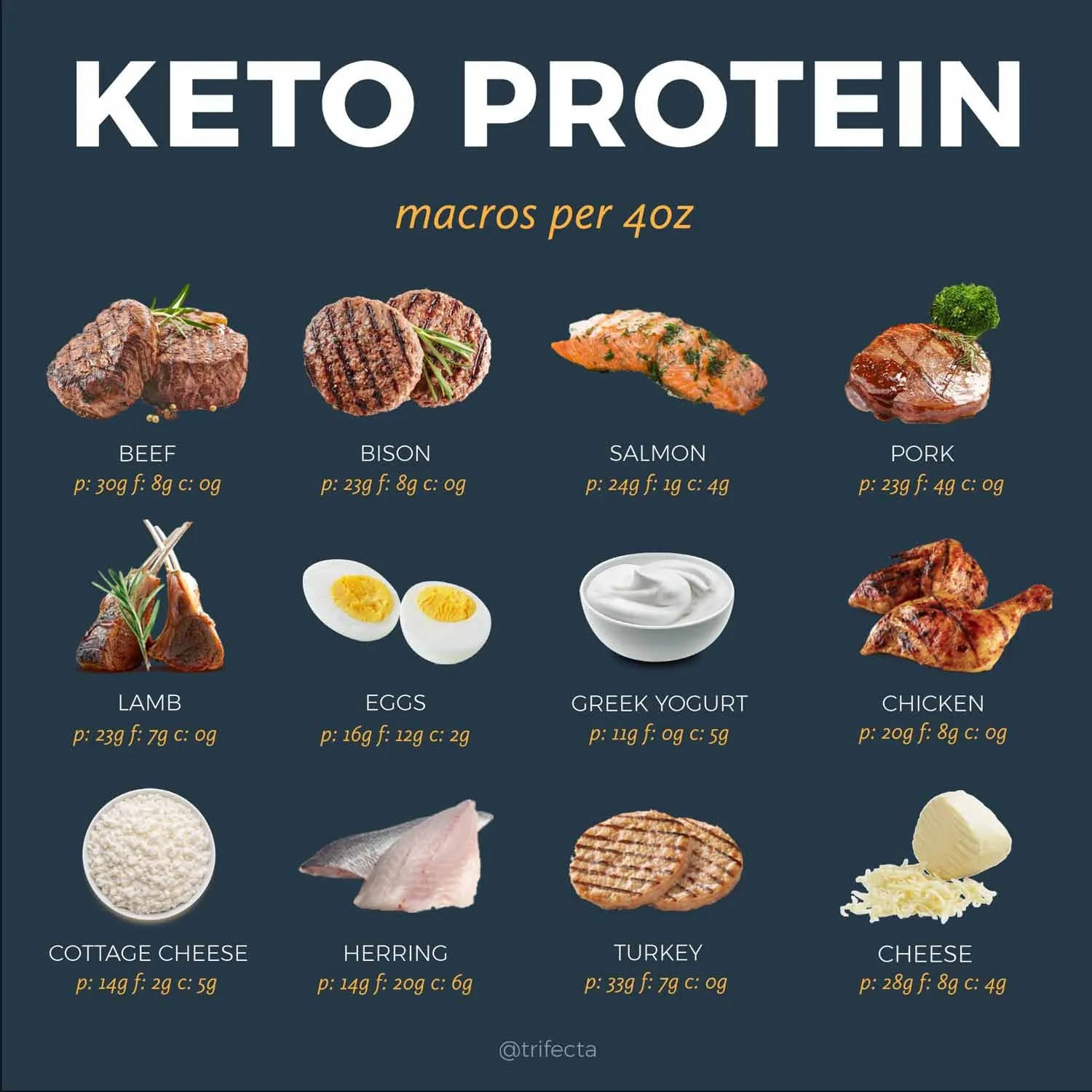
Another common mistake is not paying attention to the quality of the foods consumed. While it is possible to lose weight on the keto diet by simply counting calories, it is important to focus on consuming nutrient-dense foods that will support your overall health. This means choosing high-quality fats, proteins, and carbohydrates and avoiding processed and refined foods.
Frequently Asked Questions
Q: How many calories should I eat on the keto diet?
A: The number of calories you should eat on the keto diet depends on factors such as your age, gender, weight, height, and activity level. It is recommended to calculate your daily calorie needs using an online calculator and adjust this number based on your weight loss goals.
Q: Do I need to track my calories on the keto diet?
A: While some individuals on the keto diet may be able to lose weight without counting calories, many people find that tracking their calorie intake is essential for reaching their weight loss goals. Tracking your calories can help you stay within your calorie goals and ensure that you are consuming the right macronutrient ratios.
Q: What are the best apps for tracking calories on the keto diet?
A: Some popular apps for tracking calories on the keto diet include MyFitnessPal, Lose It!, and Cronometer. These apps allow you to input the foods and beverages you consume each day and track the number of calories, fats, proteins, and carbohydrates you are consuming.
Q: How can I avoid common keto calorie counting mistakes?
A: To avoid common keto calorie counting mistakes, it is important to accurately measure and track your portion sizes, pay attention to the quality of the foods consumed, and focus on consuming nutrient-dense foods that will support your overall health.
In conclusion, keto calorie counting can be a powerful tool for weight loss and improving overall health on the ketogenic diet. By calculating your daily calorie needs, tracking your calorie intake, and avoiding common mistakes, you can achieve your weight loss goals and enjoy the many benefits of the keto diet. Remember to consult with a healthcare professional before making any significant changes to your diet or lifestyle.