
keto diet Success Stories: How It’s Changing Lives for Those with Epilepsy
Introduction
Epilepsy is a neurological disorder characterized by recurrent seizures. It affects approximately 3.4 million people in the United States and 50 million people worldwide. While there are various treatment options available for epilepsy, including medications and surgery, some individuals find relief through dietary interventions such as the ketogenic diet.
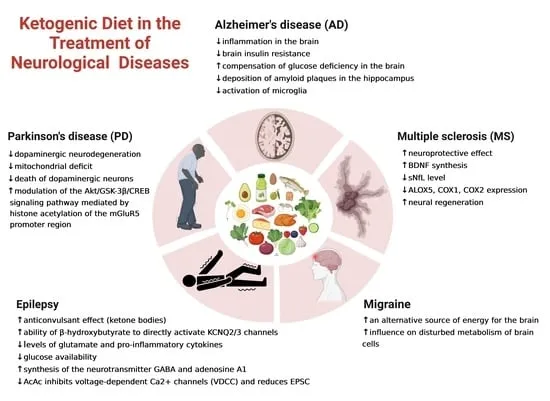
The ketogenic diet is a high-fat, low-carbohydrate diet that has been used for decades to treat epilepsy. It mimics the fasting state, causing the body to produce ketones as an alternative fuel source for the brain. This metabolic shift can reduce seizure frequency and severity in some individuals with epilepsy, particularly those who do not respond well to traditional treatments.
In recent years, there have been numerous success stories of individuals with epilepsy who have found relief through the ketogenic diet. These stories highlight the transformative power of this dietary intervention and its potential to improve the quality of life for those living with epilepsy. In this article, we will explore some of these success stories and discuss how the ketogenic diet is changing lives for individuals with epilepsy.
Success Stories
One of the most well-known success stories of the ketogenic diet for epilepsy is that of Charlie Abrahams. Charlie was diagnosed with epilepsy at the age of two and experienced multiple seizures daily despite being on multiple medications. After exhausting all conventional treatment options, Charlie’s parents turned to the ketogenic diet as a last resort.
Within weeks of starting the ketogenic diet, Charlie’s seizures dramatically decreased in frequency and severity. He went from having multiple seizures daily to only a few seizures a month. Charlie’s story inspired his parents to start The Charlie Foundation, a non-profit organization dedicated to promoting the ketogenic diet for epilepsy treatment.
Another success story is that of Jalen Evans, a teenager who had been living with epilepsy for years. Jalen’s seizures were so severe that he had to drop out of school and could not participate in many activities that his peers enjoyed. After starting the ketogenic diet, Jalen’s seizures became less frequent and he was able to return to school and resume his normal activities.
These success stories are just a few examples of the many individuals with epilepsy who have found relief through the ketogenic diet. While the ketogenic diet may not be a cure for epilepsy, it can significantly improve the quality of life for those living with the condition.
FAQs
Q: Is the ketogenic diet safe for individuals with epilepsy?
A: The ketogenic diet is generally considered safe for individuals with epilepsy, but it should be implemented under the supervision of a healthcare provider. Some individuals may experience side effects such as constipation, kidney stones, and nutrient deficiencies while on the ketogenic diet.
Q: How long does it take to see results from the ketogenic diet for epilepsy?
A: Some individuals may see improvements in seizure frequency and severity within days or weeks of starting the ketogenic diet, while others may take several months to see significant results. It is important to give the diet time to work and to follow it consistently.
Q: Can children with epilepsy follow the ketogenic diet?
A: Yes, children with epilepsy can follow the ketogenic diet, but it may require additional monitoring and supervision. The diet may need to be adjusted based on the child’s age, weight, and specific nutritional needs.
Q: Are there any long-term effects of the ketogenic diet for epilepsy?
A: The long-term effects of the ketogenic diet for epilepsy are still being studied, but some individuals may experience improvements in cognitive function, mood, and overall quality of life. It is important to work closely with a healthcare provider to monitor any potential side effects or complications.
Conclusion
The ketogenic diet has the potential to significantly improve the quality of life for individuals with epilepsy. Through its ability to reduce seizure frequency and severity, the ketogenic diet can provide relief for those who do not respond well to traditional treatments. While more research is needed to fully understand the long-term effects of the ketogenic diet for epilepsy, the success stories of individuals like Charlie Abrahams and Jalen Evans demonstrate its transformative power. If you or a loved one is living with epilepsy, consider discussing the ketogenic diet with a healthcare provider to see if it may be a beneficial treatment option.

:max_bytes(150000):strip_icc()/what-is-a-ketogenic-diet-2241628_final3-5b364771c9e77c00374825f0.png "From Seizures to Stability: How the Keto Diet is Transforming Epilepsy Treatment")