The ketogenic diet, or keto diet, has become increasingly popular in recent years for its ability to help individuals lose weight, improve their overall health, and boost energy levels. The diet focuses on reducing carbohydrate intake and increasing fat consumption to put the body in a state of ketosis, where it burns fat for fuel instead of glucose. To successfully follow a keto diet, it is essential to have a well-stocked kitchen with the right staples. In this article, we will discuss the key foods you need to succeed on a keto diet, as well as answer some frequently asked questions about the diet.
Keto Kitchen Staples: The Foods You Need to Succeed
1. Healthy Fats
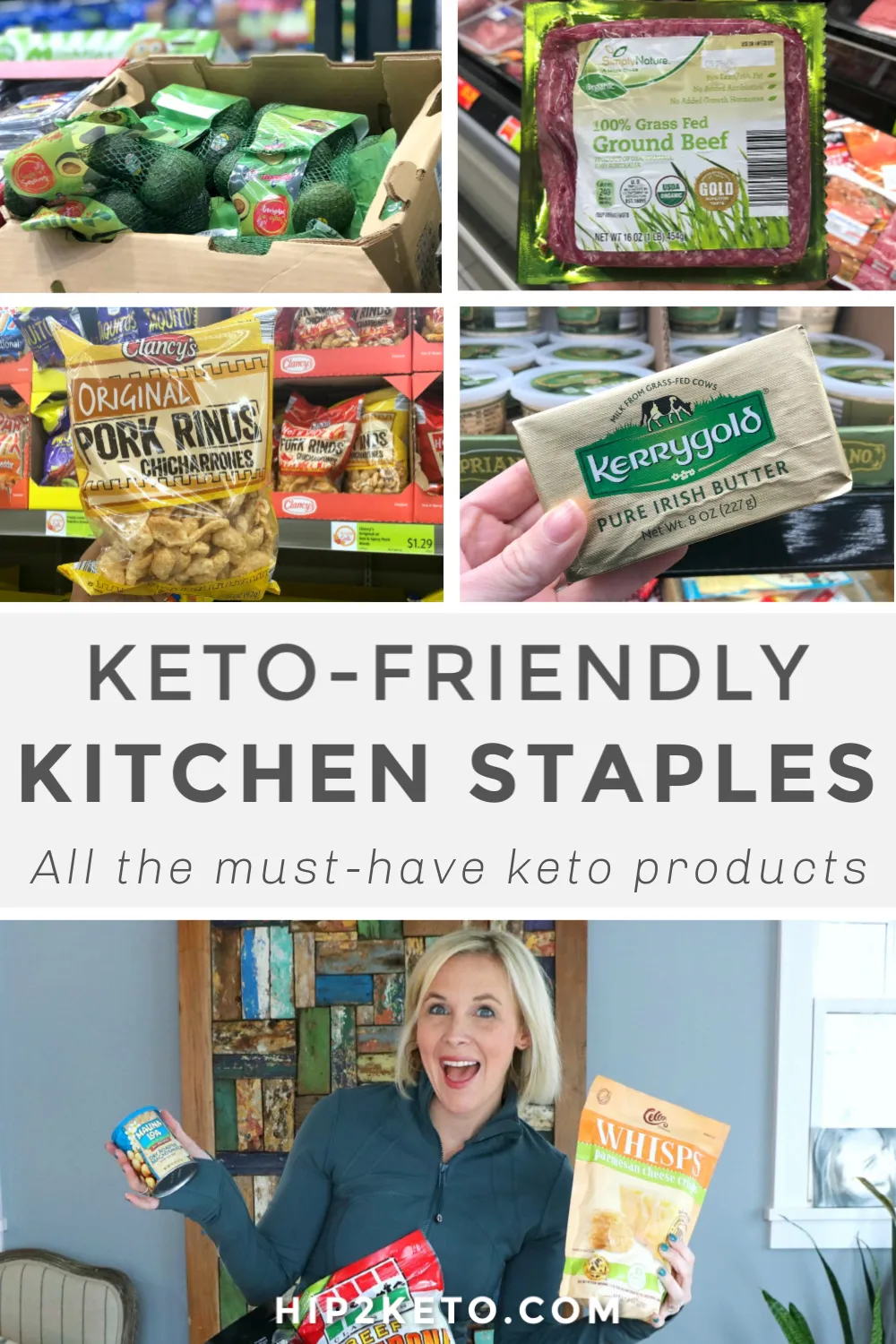
One of the main principles of a keto diet is to consume high amounts of healthy fats. These fats will be your primary source of energy on the diet, so it is important to have a variety of sources on hand. Some healthy fats to include in your kitchen staples are:
– Avocado oil
– Coconut oil
– Olive oil
– Grass-fed butter
– Ghee
– MCT oil
These fats can be used for cooking, baking, or added to salads and other dishes to increase your fat intake.
2. Protein Sources
While a keto diet is high in fat, it is also important to include an adequate amount of protein in your diet to support muscle growth and repair. Some protein sources to include in your keto kitchen staples are:
– Grass-fed beef
– Pasture-raised poultry
– Wild-caught fish
– Eggs
– Nuts and seeds
– Tofu
These protein sources can be used in a variety of dishes, from salads and stir-fries to casseroles and soups.
3. Low-Carb Vegetables
Vegetables are an important part of a healthy diet, even on a keto diet. However, it is important to choose low-carb vegetables that will not kick you out of ketosis. Some low-carb vegetables to include in your keto kitchen staples are:
– Leafy greens (spinach, kale, arugula)
– Cruciferous vegetables (broccoli, cauliflower, Brussels sprouts)
– Bell peppers
– Zucchini
– Asparagus
– Mushrooms
These vegetables can be used in a variety of dishes and are a great way to add fiber and essential nutrients to your diet.
4. Nuts and Seeds
Nuts and seeds are a great source of healthy fats and protein on a keto diet. They are also portable and make a great snack option. Some nuts and seeds to include in your keto kitchen staples are:
– Almonds
– Walnuts
– Chia seeds
– Flaxseeds
– Pumpkin seeds
– Sunflower seeds
These nuts and seeds can be eaten on their own as a snack, added to salads or yogurt, or used in baking.
5. Dairy Products
Dairy products can be a good source of fat and protein on a keto diet, but it is important to choose full-fat, low-carb options. Some dairy products to include in your keto kitchen staples are:
– Full-fat cheese
– Greek yogurt
– Heavy cream
– Cream cheese
– Sour cream
– Cottage cheese
These dairy products can be used in a variety of dishes, from sauces and dips to desserts and smoothies.
6. Condiments and Seasonings
Condiments and seasonings are an important part of any kitchen, and they can add flavor to your keto dishes without adding extra carbs. Some keto-friendly condiments and seasonings to include in your kitchen staples are:
– Salt and pepper
– Garlic powder
– Onion powder
– Lemon juice
– Mustard
– Hot sauce
– Sugar-free ketchup
– Olive oil-based mayonnaise
These condiments and seasonings can be used to enhance the flavor of your dishes and make your keto diet more enjoyable.
7. Sweeteners
While sugar is off-limits on a keto diet, there are several keto-friendly sweeteners that you can use to satisfy your sweet tooth. Some sweeteners to include in your keto kitchen staples are:
– Stevia
– Erythritol
– Monk fruit sweetener
– Xylitol
These sweeteners can be used in baking, cooking, or added to beverages to sweeten them without adding extra carbs.
Frequently Asked Questions about keto diet
1. Is the keto diet safe for everyone?
The keto diet can be safe for most people, but it is important to consult with a healthcare professional before starting any new diet plan, especially if you have any underlying health conditions or are taking medication.
2. How long does it take to get into ketosis?
It can take anywhere from a few days to a week to get into ketosis, depending on your individual metabolism and how strict you are with your carbohydrate intake.
3. Can I drink alcohol on a keto diet?
While some forms of alcohol are low in carbs, they can still affect your ketosis and weight loss goals. It is best to limit alcohol consumption on a keto diet and choose low-carb options like dry wine or spirits mixed with soda water.
4. What are the potential side effects of a keto diet?
Some potential side effects of a keto diet include fatigue, dizziness, headaches, and constipation. These side effects are usually temporary and can be mitigated by staying hydrated, eating enough fiber, and getting enough electrolytes.
5. Can I eat fruit on a keto diet?
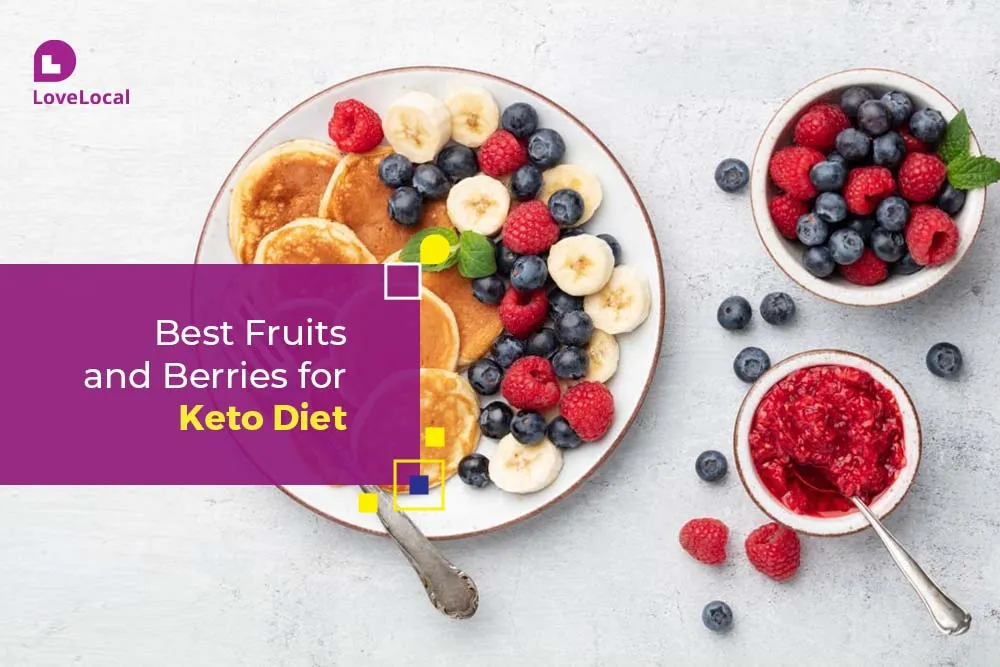
Fruit is generally high in carbs and sugar, so it is best to limit your fruit intake on a keto diet. Berries like strawberries, blueberries, and raspberries are lower in carbs and can be eaten in moderation.
In conclusion, having the right kitchen staples is essential for success on a keto diet. By stocking your kitchen with healthy fats, protein sources, low-carb vegetables, nuts and seeds, dairy products, condiments and seasonings, and sweeteners, you can create delicious and satisfying keto-friendly meals. Remember to consult with a healthcare professional before starting any new diet plan, and listen to your body to make adjustments as needed. With the right foods and knowledge, you can succeed on a keto diet and improve your health and well-being.