Introduction
In recent years, the ketogenic diet and low-carb diet have gained immense popularity for their potential health benefits. Both diets focus on reducing carbohydrates in order to promote weight loss, improve blood sugar control, and enhance overall health. However, there are key differences between the two that can impact which diet is best suited for your individual health goals. In this article, we will explore the ketogenic diet and low-carb diet in detail, discuss their benefits and potential drawbacks, and provide guidance on how to choose the right diet for your health goals.
What is the Ketogenic Diet?
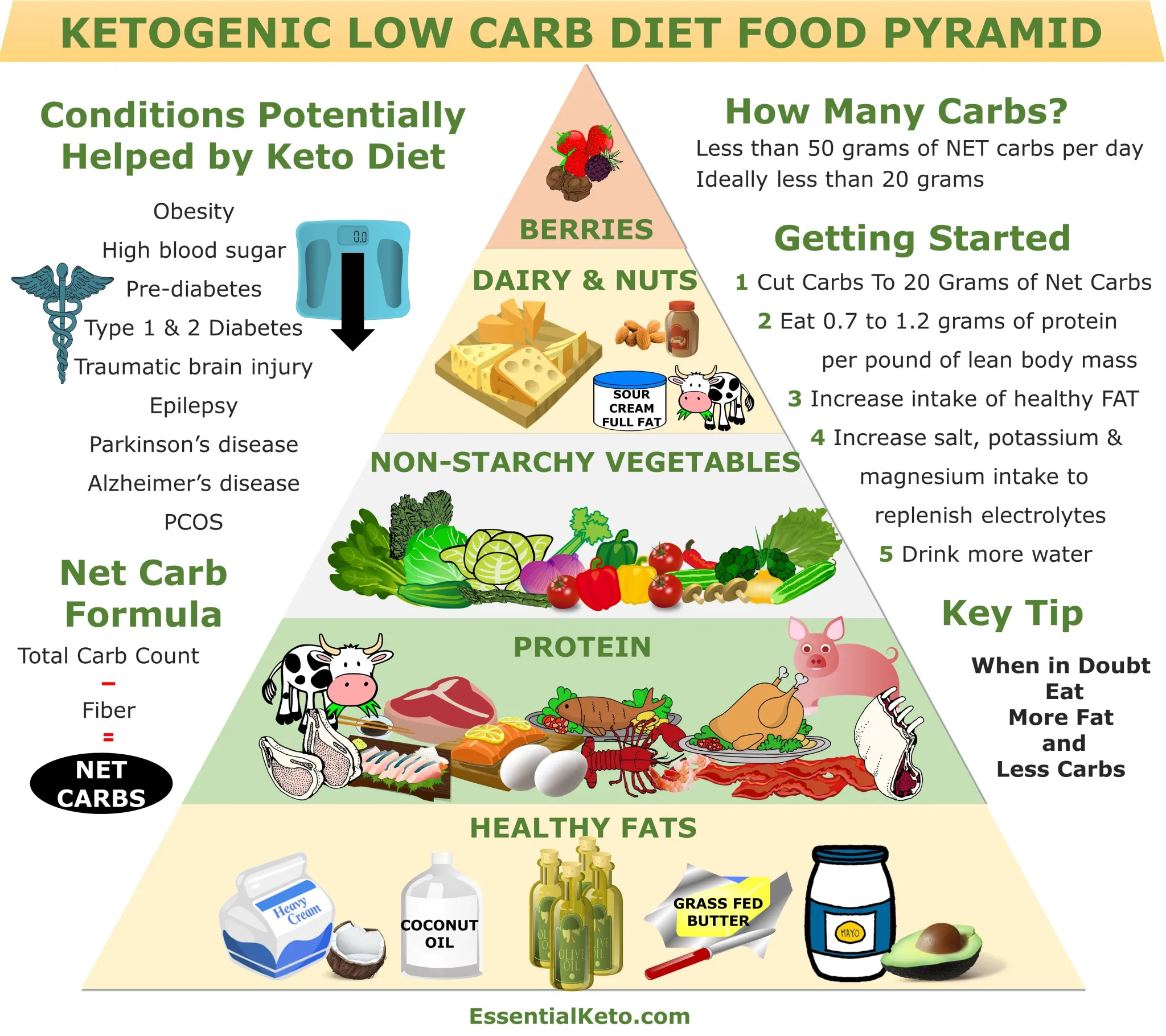
The ketogenic diet, often referred to as the keto diet, is a high-fat, low-carb diet that has been shown to promote weight loss, improve insulin sensitivity, and reduce inflammation in the body. The primary goal of the ketogenic diet is to induce a state of ketosis, where the body shifts from using glucose as its primary fuel source to using ketones, which are produced from fat. This shift in metabolism can lead to rapid weight loss and improved energy levels.
On the ketogenic diet, you typically consume no more than 20-50 grams of carbohydrates per day, which equates to about 5-10% of your daily caloric intake. The majority of your calories come from fats, with around 70-80% of your daily intake coming from healthy fats like avocados, olive oil, and nuts. Protein intake is moderate, with around 15-20% of your daily calories coming from sources like meat, fish, and eggs.
Benefits of the Ketogenic Diet
There are several potential benefits of following a ketogenic diet, including:
1. Weight loss: The ketogenic diet has been shown to be effective for promoting weight loss, particularly in individuals with obesity or metabolic syndrome.
2. Improved insulin sensitivity: By reducing carbohydrate intake and stabilizing blood sugar levels, the ketogenic diet can improve insulin sensitivity and reduce the risk of type 2 diabetes.
3. Enhanced mental clarity: Many people report improved focus, concentration, and mental clarity when following a ketogenic diet, due to the brain’s ability to utilize ketones for fuel.
4. Reduced inflammation: The ketogenic diet has anti-inflammatory properties, which can help reduce the risk of chronic diseases like heart disease and cancer.
Potential Drawbacks of the Ketogenic Diet
While the ketogenic diet has many potential benefits, there are also some drawbacks to consider:
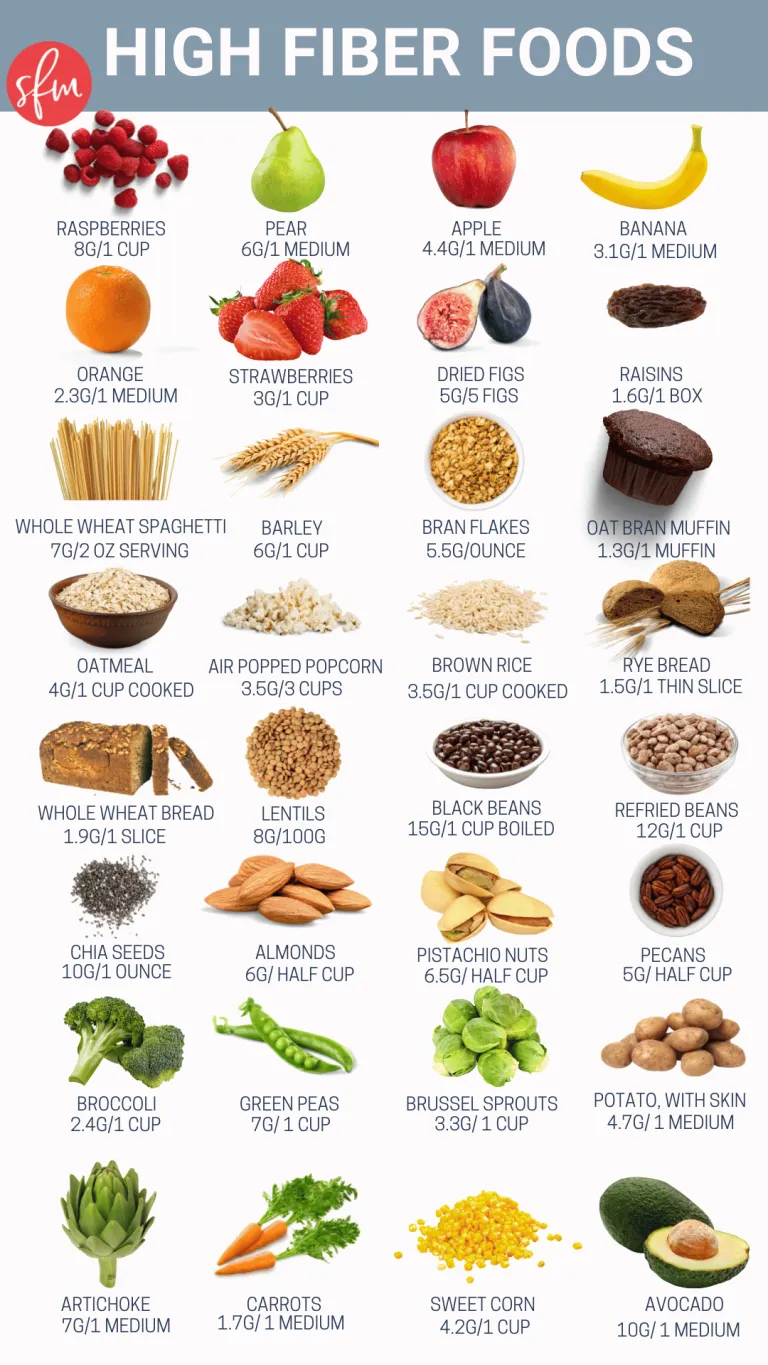
1. Nutrient deficiencies: Since the ketogenic diet restricts certain food groups like fruits, grains, and legumes, it can be challenging to meet your daily nutrient needs, particularly for vitamins and minerals like vitamin C, fiber, and potassium.
2. Keto flu: Some people may experience flu-like symptoms when first starting the ketogenic diet, including fatigue, headaches, and irritability. These symptoms typically subside after a few days as the body adjusts to using ketones for fuel.
3. Social implications: The ketogenic diet can be restrictive and may make it difficult to dine out or socialize with friends and family who do not follow the same dietary guidelines.
What is a Low-Carb Diet?
A low-carb diet is a dietary approach that focuses on reducing carbohydrate intake while still allowing for a moderate amount of protein and healthy fats. Unlike the ketogenic diet, which aims to induce ketosis, a low-carb diet does not necessarily restrict carbohydrates to the same extent and may allow for a slightly higher intake of carbs.
There is no strict definition of a low-carb diet, but most low-carb diets recommend consuming anywhere from 50-150 grams of carbohydrates per day, depending on individual needs and goals. The focus is on choosing nutrient-dense, whole foods like vegetables, fruits, lean proteins, and healthy fats, while minimizing processed and refined carbohydrates like sugar, white bread, and pasta.
Benefits of a Low-Carb Diet
There are several potential benefits of following a low-carb diet, including:
1. Weight loss: Like the ketogenic diet, a low-carb diet has been shown to be effective for promoting weight loss, particularly in individuals with insulin resistance or metabolic syndrome.
2. Improved blood sugar control: By reducing carbohydrate intake and stabilizing blood sugar levels, a low-carb diet can improve insulin sensitivity and reduce the risk of type 2 diabetes.
3. Increased satiety: Foods that are high in protein and healthy fats can help you feel full and satisfied, which may lead to reduced calorie intake and weight loss.
4. Better energy levels: Many people report improved energy levels and reduced fatigue when following a low-carb diet, due to the elimination of blood sugar spikes and crashes.
Potential Drawbacks of a Low-Carb Diet
While a low-carb diet has many potential benefits, there are also some drawbacks to consider:
1. Nutrient deficiencies: Depending on the types of foods you choose, it can be challenging to meet your daily nutrient needs, particularly for vitamins and minerals like fiber, calcium, and potassium.
2. Social implications: Similar to the ketogenic diet, a low-carb diet can be restrictive and may make it difficult to dine out or socialize with friends and family who do not follow the same dietary guidelines.
Choosing the Right Diet for Your Health Goals
When deciding between a ketogenic diet and a low-carb diet, it’s important to consider your individual health goals, lifestyle, and preferences. Here are some factors to keep in mind when choosing the right diet for you:
1. Weight loss goals: If your primary goal is to lose weight, both the ketogenic diet and low-carb diet can be effective strategies. However, the ketogenic diet may be more suitable for rapid weight loss, while a low-carb diet may be easier to sustain long-term.
2. Blood sugar control: If you have insulin resistance or type 2 diabetes, a low-carb diet may be more appropriate for improving blood sugar control and reducing the risk of complications.
3. Personal preferences: Consider your food preferences, cultural background, and social habits when choosing a diet. Some people may find the ketogenic diet too restrictive, while others may thrive on the structure and guidelines it provides.
4. Health conditions: If you have certain health conditions like heart disease, kidney disease, or gastrointestinal issues, it’s important to consult with a healthcare provider before starting a ketogenic or low-carb diet to ensure it is safe and appropriate for your individual needs.
FAQs
Q: Is the ketogenic diet safe for everyone to follow?
A: The ketogenic diet may not be suitable for everyone, especially pregnant or breastfeeding women, individuals with certain medical conditions, or those who are highly active or athletes. It’s important to consult with a healthcare provider before starting a ketogenic diet to ensure it is safe and appropriate for your individual needs.
Q: Can I lose weight on a low-carb diet without counting calories?
A: Many people find that they naturally reduce their calorie intake on a low-carb diet due to increased satiety and reduced cravings for sugary and processed foods. However, for optimal weight loss results, it may be helpful to track your food intake and portion sizes to ensure you are in a calorie deficit.
Q: How can I prevent nutrient deficiencies on a ketogenic or low-carb diet?
A: To prevent nutrient deficiencies on a ketogenic or low-carb diet, focus on consuming a variety of nutrient-dense foods like vegetables, fruits, lean proteins, and healthy fats. Consider supplementing with vitamins or minerals if needed, and consult with a healthcare provider or registered dietitian for personalized guidance.
Conclusion
The ketogenic diet and low-carb diet are both effective dietary approaches for promoting weight loss, improving blood sugar control, and enhancing overall health. While there are similarities between the two diets, there are also key differences that can impact which diet is best suited for your individual health goals. By considering your personal preferences, lifestyle, and health conditions, you can choose the right diet that aligns with your needs and supports your long-term health and wellness. Remember to consult with a healthcare provider or registered dietitian before making any significant changes to your diet to ensure it is safe and appropriate for your individual needs.